

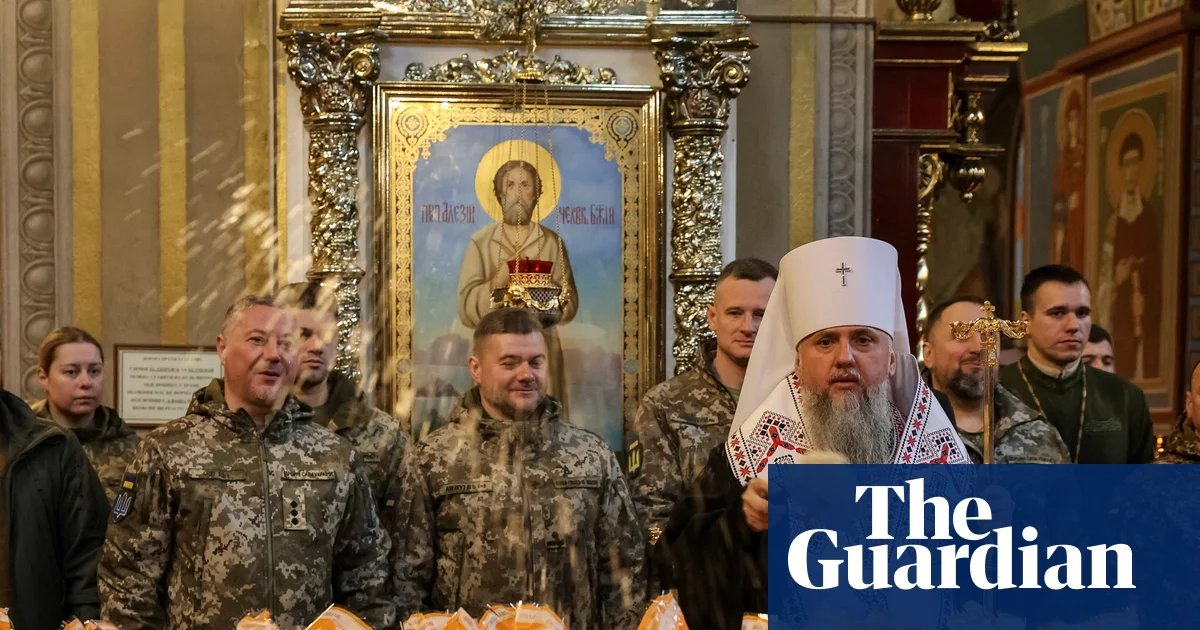
Ukrainians Express Skepticism Over Russia’s Easter Ceasefire Offer
This article delves into the apprehension among Ukrainians regarding Russia’s recent commitment to a temporary ceasefire for Orthodox Easter. Although the promise of peace has been welcomed, many are cautious about its authenticity, given the ongoing violence and strained relations.
Ceasefire Proposal from Russia
On Friday, Ukraine was met with skepticism after Russia announced its intention to pause military actions for Orthodox Easter. The Kremlin issued a statement ordering a ceasefire starting Saturday afternoon and lasting until the end of Sunday. This 32-hour truce aims to halt hostilities “in all directions.” Ukrainian President Volodymyr Zelenskyy, who has consistently advocated for a ceasefire throughout the long-standing conflict, signaled Kyiv’s readiness to reciprocate the gesture.
Public Doubts and Concerns
However, many in Kyiv remain doubtful about Russia’s commitment to this ceasefire. “No one believes in these fairytales anymore,” remarked Yevgeniy Lamakh, a 29-year-old IT specialist. He expressed concerns about the Russian military’s history of dishonesty: “They often say one thing but do quite the opposite.” Dmytro Sova, a 42-year-old actor in Kyiv, echoed his sentiments, highlighting ongoing missile strikes even moments before the promised ceasefire, saying, “Well, come on then, start the ceasefire if you can.”
Recent Attacks Before the Truce
Just hours ahead of the proposed ceasefire, two nighttime Russian assaults in Ukraine resulted in one death and 15 injuries. Reports indicate that an “enemy drone attack” targeted a store and a café in the central town of Poltava, killing one individual and injuring another. In the northeastern region of Sumy, drone strikes in residential areas left 14 people injured, including a young boy and an elderly woman, as detailed by Oleg Grygorov, the head of the regional military administration.
Stalled Peace Efforts
Moscow has dismissed Ukraine’s calls for a long-term, unconditional ceasefire, indicating instead a preference for a definitive peace agreement. Current negotiations, which have seen involvement from the United States, have stalled, particularly around the fate of Eastern Ukraine, some of which is currently occupied by Russian forces. A previous ceasefire was also observed during last year’s Orthodox Easter, but efforts to resolve the conflict remain at a standstill, with US focus shifting toward other international issues.
International Responses
In related news, the US administration is reportedly set to extend a waiver that permits certain countries to purchase sanctioned Russian oil and petroleum products. This decision, which comes amid ongoing geopolitical tensions, has raised concerns among some politicians who argue it might hinder efforts to reduce Russian revenue streams related to the war in Ukraine.
Crackdown on Independent Journalism
A separate incident highlights the precarious state of independent media in Russia. A journalist from the independent Novaya Gazeta was recently placed in pre-trial detention after police raided the newspaper’s Moscow office. The journalist, Oleg Roldugin, had been investigating corruption involving high-profile Russian officials. Since the onset of the military campaign in Ukraine, Russia has intensified its crackdown on independent news outlets.
Estonia’s Cautious Approach
Lastly, NATO member Estonia has indicated a cautious stance regarding the potential detention of Russia’s “shadow fleet” vessels in the Baltic Sea. Officials are concerned that seizing sanctioned oil tankers might provoke a military response from Moscow. Meanwhile, other European nations have ramped up efforts to detain aging tankers tied to Russian funding for the ongoing conflict in Ukraine.
Conclusion
The skepticism surrounding Russia’s recent ceasefire proposal reflects a deep-seated mistrust among Ukrainians, fueled by recent attacks and a history of broken promises. While the hope for peace remains, the reality on the ground tells a different story, highlighting ongoing conflicts and strained international relationships.
- Ukrainians express skepticism about Russia’s Easter ceasefire promise.
- Recent attacks in Ukraine have heightened concerns over ceasefire sincerity.
- Efforts for a longer-term peace settlement remain stalled amidst ongoing violence.
- Independent journalism faces increasing repression in Russia amid the conflict.