

Reflections at the Iranian Embassy in Kyiv
Last week, the Iranian embassy in Kyiv, an eye-catching salmon-pink mansion situated near the presidential administration, opened its doors for several days. Visitors were invited to sign a book of condolences in honor of the late Ayatollah Ali Khamenei, who tragically lost his life in recent US-Israeli air strikes in Tehran. Inside the embassy, candles illuminated the floor, and somber music set a reflective tone as diplomats guided attendees to a room featuring a portrait of Khamenei and the mourning registry. Interestingly, despite this effort, there was no long line of supporters waiting to pay their respects.
The Context of the Embassy’s Operations
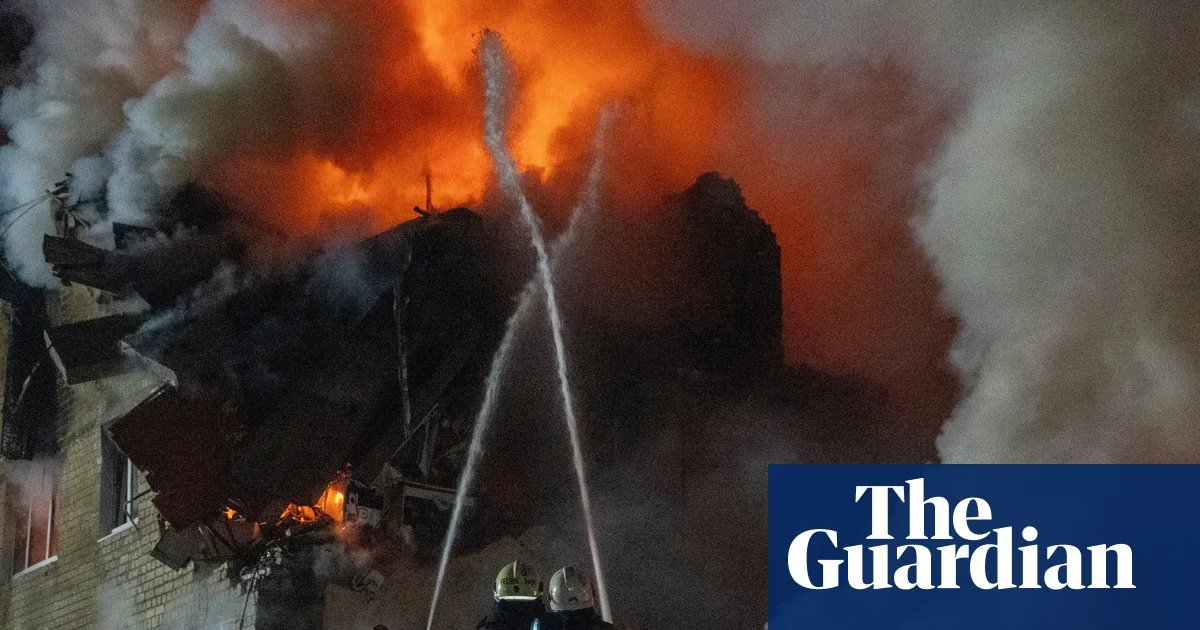
Given the ongoing conflict in the region, many might be surprised that the embassy is still operational. Residents of Kyiv have spent countless nights hearing the ominous sounds of Iranian-designed Shahed drones overhead—drones handed over to Russia, Iran’s close ally. The complex landscape of the current Middle Eastern turmoil adds another layer to Ukraine’s struggle against the Russian invasion, away from any clear black-and-white narratives.
Opportunities and Challenges for Ukraine
On a positive note, there has been a surge in interest in Ukraine’s military capabilities, especially regarding its strategies for countering Shahed drones, which are now utilized by Iran to launch attacks against its Gulf neighbors. This renewed focus could pave the way for new defense partnerships. However, a downside exists: wealthy nations are increasing their air defense budgets, potentially leading to reduced resources for Ukraine in an already stretched market.
Wider geopolitical dynamics are shifting as well. As the attention of the White House moves elsewhere, it might divert focus from critical peace negotiations between Ukraine and Russia. The current assaults on Iran could further reinforce Vladimir Putin’s worldview, where powerful nations feel they can act against their weaker counterparts without consequences.
Insights from Ukrainian Leadership
Oleksii Reznikov, Ukraine’s former defense minister, reflected, “When DC initiated this conflict, Putin smiled in the Kremlin. He sees that his belief in ‘might is right’ is turning into reality. The landscape is evolving.” Having just returned to Kyiv after being stranded in Israel due to the conflict, Reznikov emphasized that while the crisis presents both risks and opportunities, it might also intensify the demand for air defense systems globally.
“There’s heightened interest in interceptor drones,” he remarked. “But we need those interceptors to defend ourselves. Should these countries invest in Ukrainian production, that would be beneficial.”
Potential Defense Partnerships
President Volodymyr Zelenskyy has expressed a willingness to explore innovative defense collaborations, including the possibility of exchanging relatively affordable, flexible Ukrainian-made interceptor drones for the far more costly Patriot air-defense missiles, a critical element of Ukraine’s defense strategy in short supply. Although the receptiveness of other nations to this proposal remains uncertain, Zelenskyy has been in regular contact with several Gulf leaders, indicating a keen interest in sharing Ukrainian expertise in responding to drone attacks.
He noted, “We have received communications from partners in the Middle East concerning strikes with Iranian Shaheds against civilians. They are seeking our expertise, and we’re ready to assist, especially since there’s demand from both Europeans and the United States.”
The Russian Response
As the situation unfolds, Moscow has adopted a cautious stance regarding its response to the provocations against Iran. Should the US-Israeli strikes escalate into a prolonged Middle Eastern conflict, there is a possibility that rising oil prices could rejuvenate Putin’s struggling war economy, which remains reliant on oil exports despite stringent Western sanctions. Analysts suggest the continuing downturn in the economy might compel Putin to rethink his war objectives.
Dmitry Peskov, Putin’s spokesperson, conveyed last week, “This conflict is not ours. We must act in accordance with our interests, securing benefits whenever possible.” Compounding this complexity, intelligence reports indicate that Russia might be sharing tactical data with Iran regarding US troop positions—if verified, this could potentially shift the United States’ perception of Russia to that of a more evident adversary, although so far, responses from political leaders have downplayed these reports.
Public Sentiment and Reactions
While the exact repercussions of the recent US military actions on the battlefield and the geopolitical scenario surrounding the Russia-Ukraine conflict remain uncertain, there are few in Ukraine who will mourn the passing of the late Ayatollah or the regime he represented. Condolence books opened by Iranian embassies worldwide, including in Kyiv, prompted varied global reactions. Olexander Scherba, Ukraine’s ambassador to South Africa, publicly shared his sentiments after being invited to sign the condolence book, stating, “Your leaders have played a role in inflicting endless sorrow on Ukrainian civilians. After enduring the sound of Iranian-created instruments of death in the skies over Kyiv every night, I cannot help but hope for justice for those responsible.”
Conclusion
The events surrounding the Iranian embassy in Kyiv serve as a poignant reflection of the complex interplay between international relations, conflict, and national sentiments. Ukraine stands at a crossroads, faced with both challenges and opportunities as it navigates these turbulent times.
Key Takeaways
- The Iranian embassy in Kyiv opened for condolences despite ongoing conflicts.
- Ukraine sees both risks and opportunities in heightened interest in its defense strategies.
- President Zelenskyy is open to innovative defense partnerships with Gulf nations.
- Public sentiment in Ukraine is largely critical of Iran’s role in the ongoing conflict.