

Denmark’s Frederiksen Calls for Election: A Closer Look
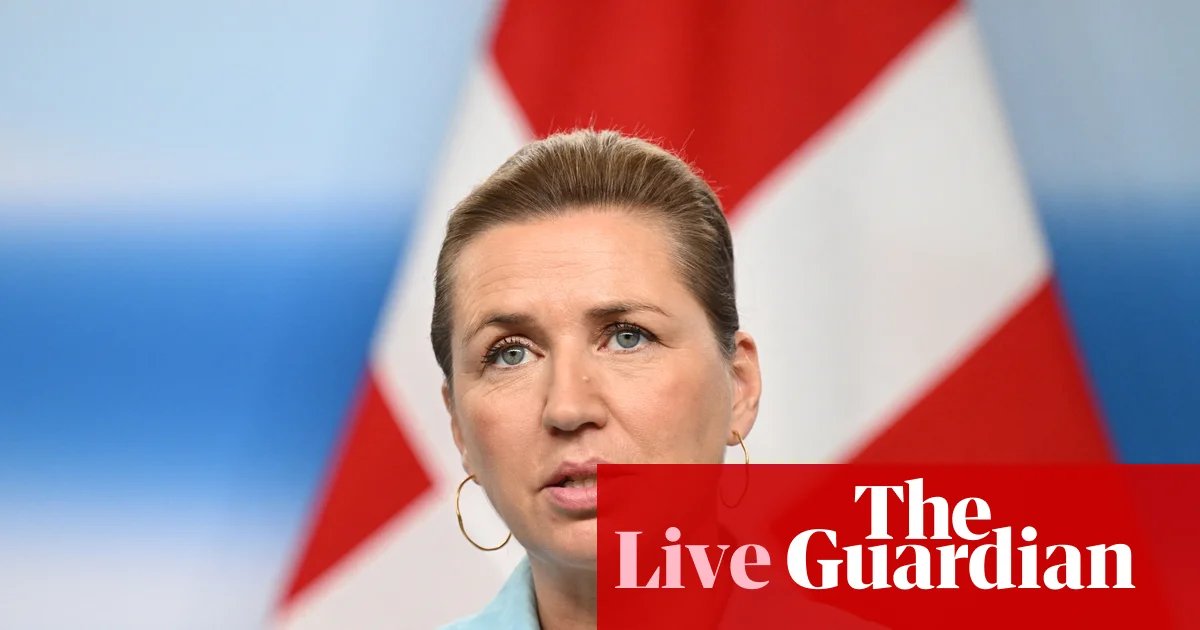
Denmark’s Prime Minister Mette Frederiksen has announced a general election set for March 24. This pivotal election aims to secure the future of Denmark’s commonwealth and promises a wealth tax to enhance funding for schools. In her announcement, Frederiksen emphasizes the importance of Denmark and Europe standing independently, particularly in light of recent fluctuations in public opinion.
The Political Landscape
Frederiksen’s call for elections coincides with a surge in polling, often referred to as the “Greenland bounce.” This positive shift in public sentiment comes on the heels of her adept handling of international affairs regarding Greenland amidst US President Donald Trump’s controversial remarks about the territory. Despite a previous disappointing performance in local elections, where her party lost control of Copenhagen, Frederiksen’s recent actions have bolstered her party’s visibility and approval ratings.
Key Election Proposals
In her election campaign, Frederiksen has proposed implementing a wealth tax aimed at funding educational initiatives within Denmark. Her administration’s objective is not only to enhance school funding but also to reinforce the concept of a unified Europe.
Unifying Europe
Frederiksen has voiced the necessity for Denmark to secure its commonwealth while addressing the broader implications for European unity. She believes that this election provides an opportunity to engage voters on critical issues facing the nation and the continent.
Recent Developments
The Prime Minister’s strategy shows her desire to harness the current momentum in public opinion to strengthen her party’s position in the upcoming election. Recent polling data indicates her party, the Social Democrats, has seen an increase in support from 18% in December to approximately 22-23% now.
Anticipated Challenges
Frederiksen will need to navigate several contentious issues during her campaign, including wealth inequality, immigration, and housing policies, that have been highlighted in her platform. Criticism related to her administration’s domestic record may also play a significant role in shaping the election’s outcome.
The Road Ahead
As the election approaches, it remains to be seen how Frederiksen will manage alliances within her coalition government. Historically, her government is noted for its cross-party characteristics, making this election a unique opportunity to redefine partnerships on both sides of the political spectrum.
Conclusion
This upcoming election is crucial for Mette Frederiksen as she aims to secure a third term by rallying support around her proposals and navigating the complexities of her coalition government. The implications for both Denmark and Europe as a whole could be significant depending on the election results.
Key Takeaways
- Denmark’s general election will be held on March 24, as announced by Prime Minister Mette Frederiksen.
- The proposed wealth tax aims to increase funding for schools and initiatives amid rising public support.
- Frederiksen’s handling of international relations, particularly regarding Greenland, has contributed to a boost in her party’s polling numbers.
- The election will address critical issues like wealth inequality, immigration, and housing, potentially influencing political alliances.