

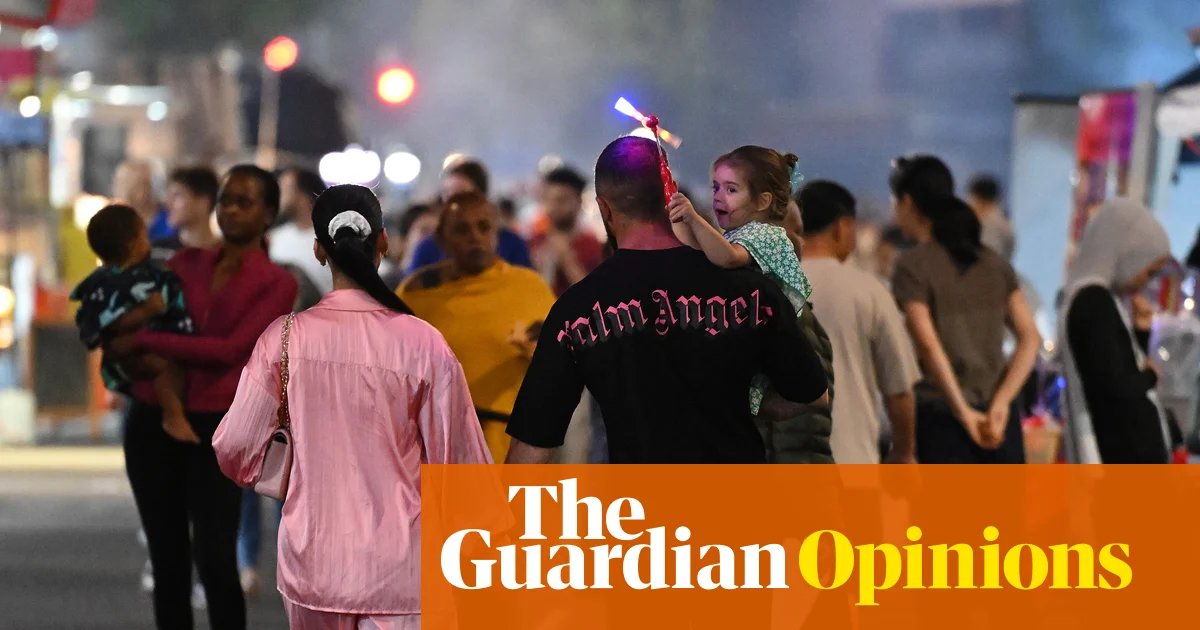
Celebrating Diversity: A Day at the Afghan Bazaar in Melbourne
In the bustling suburbs of Melbourne, where cultures collide and stories intertwine, a remarkable reunion unfolded this summer. After years of separation, a long-awaited lunch brought together two friends in Dandenong’s vibrant Afghan bazaar—a perfect backdrop reflecting the many migrant journeys that define this unique neighborhood.
A Heartfelt Reunion
I first met Suzy during tough times in Melbourne, when everything felt a bit surreal. Introduced by a cricket magazine editor from London, Suzy welcomed me with open arms, sharing her wisdom on navigating life and building a career in a sometimes overwhelming new country. After nearly a decade of separated paths, we finally found time to reconnect at the Day Light restaurant, owned by an Afghan native from the central highlands. The atmosphere was warm and inviting, rich with the scent of delicious dishes. Our feast included mantu (Afghan dumplings), shorwa (a savory lamb stew with herbs and chickpeas), and perfectly grilled kebabs, complemented by warm naan. We couldn’t help but chuckle at the owner’s cheerful uncertainty about the restaurant’s name, but the food was undeniably amazing.
Dandenong’s Transformation
As we strolled through the bustling streets lined with Afghan grocers and Indian sweet shops, Suzy was in awe of the transformation since her last visit. Nearly ten years ago, Dandenong felt dull and lifeless—a place to pass through rather than a destination. Now, the streets buzz with languages, families, and opportunities, no longer a forgotten town but a vibrant reflection of Australia’s evolving landscape.
Community Celebrations
Suzy missed the Afghan cultural day held in the local park, but it nonetheless captured something profoundly beautiful. The event was organized by a dynamic Afghan community, one of the fastest-growing groups in the city. The organizers had a fun and audacious idea: free camel rides! The joy was contagious as children squealed, adults chuckled nervously, and even local politicians took their turn climbing aboard the towering creatures. This joyful chaos served as a powerful reminder of the community’s history.
Cameleer Heritage
In the late 1800s, Afghan cameleers—many hailing from territories now known as Afghanistan and nearby regions—were instrumental in opening up Australia’s interior. Their contributions, which included transporting supplies to isolated communities and constructing the overland telegraph line, shaped the nation’s development significantly. At the festival, the connection between past and present came alive.
A Flourishing Culture
The festival was vibrant with energy. Women donned colorful dresses, moving freely and joyfully capturing moments on their phones, relishing in the freedom of public celebration. Many who participated had fled the Taliban, a regime known for denying women their rights to education, work, and autonomy. Here, they embraced their freedom, unafraid and proud, with Australian flags fluttering—a testament to their belonging.
Strength Through Community
What struck me the most was the palpable mix of gratitude and determination. The Afghan community is not withdrawing but expanding—establishing cricket clubs, launching small businesses, and volunteering in schools and community centers. Though a proposed immigration plan surfaced under the previous government, suggesting to exclude nations deemed misaligned with certain Australian “values,” the plight of the Afghan community highlighted the danger of oversimplifying complex identities.
More Than a Stereotype
Afghans are more than just a label; they represent a rich culture filled with poets, artists, and dreamers. The representation of Afghanistan should not be synonymous with extremism; it encompasses a tapestry of life and aspiration. Australians from these diverse backgrounds contribute significantly to society, working as doctors, community organizers, and educators.
Interestingly, many Afghan Australians have expressed a quiet appreciation for past efforts by the government, particularly when evacuation efforts began after Kabul fell in 2021. Around 4,000 Afghans found hope and survival through a government that did not completely abandon them. However, this gratitude is intertwined with sorrow, as many remain stranded, families are torn apart, and visa applications linger in uncertainty.
Voices of the Community
Recently, I encountered a young Afghan Australian preparing for a Ramadan night market, his spirit downcast. “How can anyone paint entire nations as morally suspect?” he asked. “How can communities striving to contribute be reduced to a risk category?”
But amidst the challenges, my entrepreneurial friend reminded us: “Politicians might foster fear for division, but the bonds between people are stronger.” He gleefully mentioned his eight-year-old’s stunning Aussie accent, a symbol of the integration and hopes of the next generation.
Forging a Shared Future
For many Afghan humanitarian visa holders recently arriving in Australia, including myself, there is pride and optimism for the citizenship applications opening this year. Australia’s essence is found not in exclusion but in the beautiful amalgamation of cultures—cameleers, poets, refugees, and culinary delights all contribute to what Australia is today. Any political narrative denying this diversity is not preserving Australian values; it is, in fact, betraying them.
- Reconnect with friends can reveal newfound cultural richness.
- Dandenong symbolizes the vibrant evolution of migrant communities.
- The Afghan community continues to grow, contributing significantly to Australian society.
- Diversity is a crucial strength of Australia, not a threat to its values.