

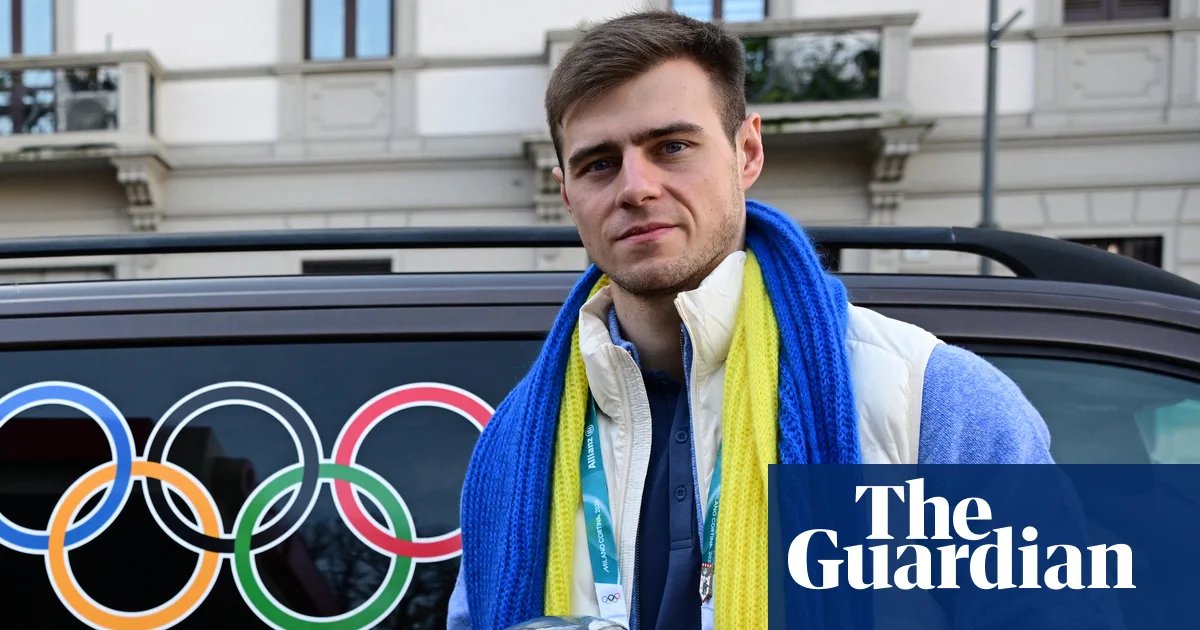
Controversy Over Vladyslav Heraskevych’s Helmet Ban
In recent discussions surrounding the Olympics, the case of Ukrainian skeleton racer Vladyslav Heraskevych has sparked significant debate. The heart of the controversy lies in the interpretation of Olympic rules that prohibit any form of demonstration or political messaging within Olympic venues. However, this situation raises questions about what constitutes political propaganda, especially when Heraskevych uses his helmet to honor deceased athletes.
The Dilemma of Interpretation
Lizzy Yarnold has articulated a crucial point regarding the International Olympic Committee’s (IOC) stance on Heraskevych’s helmet. It’s perplexing how the IOC can classify the simple act of commemorating athletes as political propaganda. Heraskevych’s helmet features images of athletes who have passed away, lacking any direct anti-Russia symbolism or references to the ongoing conflict. If these athletes had tragically perished in a non-political incident, would the IOC still impose a ban?
Human Tribute vs. Political Messaging
The question arises: if Heraskevych were to honor his late mother with her picture on his helmet, or if he displayed a religious symbol, would that warrant disqualification? This situation appears to be more about human remembrance rather than political agendas. By misinterpreting the rules, the IOC seems to owe him an official apology for their handling of this matter.
Support for Heraskevych
Several voices have joined in support of Heraskevych. One argument raised is that if political considerations have no place in the realm of Olympic sports, then why is Russia excluded from participation? Heraskevych’s helmet symbolizes remembrance, and perhaps other athletes should have united in support of him by refusing to compete until the ban was lifted. The IOC president, who expressed deep emotions over the situation, might benefit from witnessing firsthand the sorrow faced by families who have lost loved ones in the current conflict.
Highlighting Consequences
Ironically, the ban on Heraskevych could serve to amplify awareness of the human impacts stemming from the actions of Vladimir Putin and Russia, more so than allowing him to compete while honoring those lost. This contradiction emphasizes the fine line between sporting integrity and political implications.
The Broader Question of Political Involvement in Sports
Yarnold’s observations also touch upon the ongoing struggle between freedom of expression and organizational rules—a prevalent issue in today’s society. While the IOC seeks to avoid politicizing sports, one must question its selective enforcement of rules. With numerous global conflicts, does the IOC’s policy of banning some nations while allowing others to compete violate its own principles?
Conclusion
The discussion surrounding Vladyslav Heraskevych’s ban underscores the complexities of balancing the ideals of sportsmanship and the impact of political issues. As these debates unfold, they challenge us to consider what it truly means to honor those lost in conflict while participating in a global sporting event.
Key Takeaways:
- Heraskevych’s helmet symbolizes remembrance, not political protest.
- The IOC may have misinterpreted its own rules regarding expressions of tribute.
- Support for Heraskevych underscores the need for unity among athletes against unjust bans.
- This incident raises critical questions about political involvement in sports on a global scale.