

Vladyslav Heraskevych’s Stand at the Olympics: A Tribute to Fallen Athletes
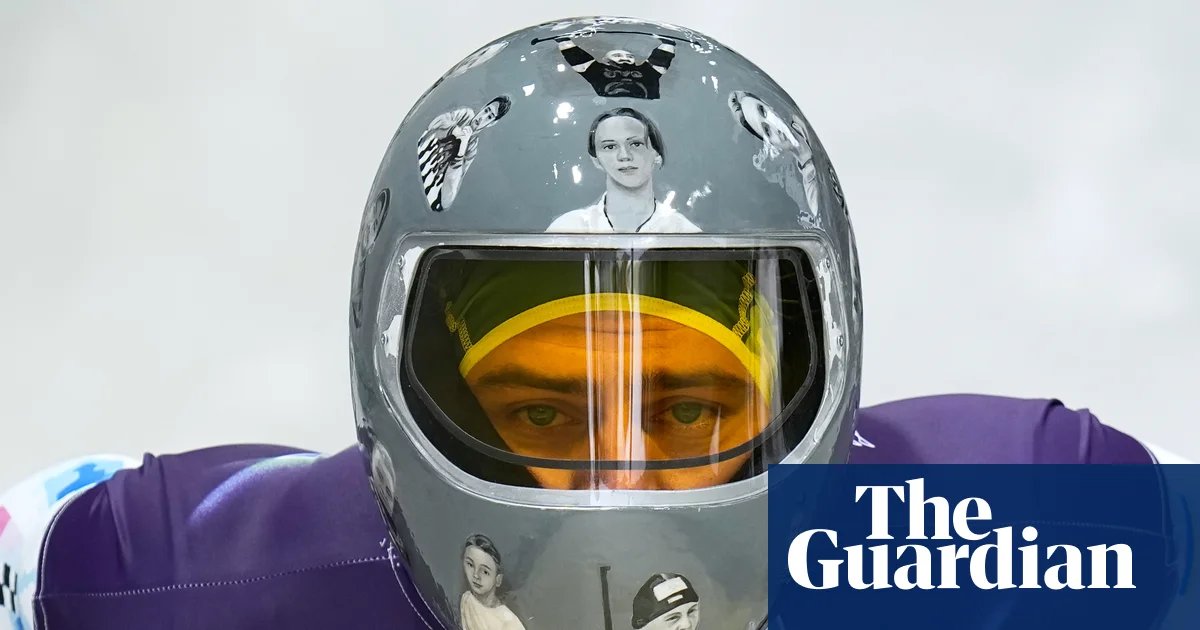
As the skeleton competition unfolds in Cortina, Ukrainian athlete Vladyslav Heraskevych finds himself at the heart of a poignant moment. He has declared his willingness to face disqualification rather than betray the memories of Ukraine’s fallen athletes. At 9:30 AM local time on Thursday, all eyes will be on him as he competes with a special “helmet of memory” adorned with images of those who have lost their lives since the onset of war, despite warnings from the International Olympic Committee (IOC).
Refusing to Compromise on Principle
After concluding his final practice session as the fastest competitor, Heraskevych expressed his deep commitment: “I will not betray these athletes,” he stated, emphasizing the sacrifices made by those he honors. His helmet, which showcases pictures of 20 athletes and children who have died amidst the conflict, has been a point of contention as the IOC issued a ban on it earlier this week.
The Greater Value of Human Lives
While Heraskevych dreams of winning an Olympic medal—something he has aspired to since childhood—he acknowledges its insignificance compared to the loss of life. “At this point, a medal is worthless compared to people’s lives,” he stated. His sentiments resonate with a larger narrative of honor and remembrance that extends beyond athletic achievement.
IOC’s Stance on Political Statements
The IOC maintains that political expressions are prohibited during competitions, referencing Article 50 of the Olympic Charter. Nonetheless, the Ukrainian delegation defends the helmet as a tool for remembrance, asserting it does not breach any regulations. Questions remain about whether the IOC will intervene before Heraskevych’s first run or allow him to compete, potentially leading to disqualification afterward.
A Theatrical Response
Heraskevych described the IOC’s handling of the situation as “a theatre of the absurd,” arguing that his helmet does not infringe upon their rules. IOC spokesperson Mark Adams reiterated that while athletes can express their grief—such as wearing black armbands or speaking to the media—wearing the helmet during competition is strictly off-limits. He stressed that acknowledging numerous global conflicts is not practical during the games, where the focus should remain solely on competition.
Encouraging Personal Tributes
When prompted about possible repercussions if Heraskevych proceeds with his helmet, Adams indicated that speculation would not be beneficial. He emphasized that following established rules is crucial, both for the integrity of the games and for the athletes. He highlighted how fellow athletes, such as American skater Maxim Naumov, have found ways to honor lost loved ones outside the competitive arena. “It’s a very emotional, very human gesture,” Adams noted, advocating for individual expressions of remembrance that stay within the IOC’s guidelines.
Conclusion
As Vladyslav Heraskevych prepares to step onto the ice, he embodies the struggle between personal conviction and the regulations of international sports. His story serves as a testament to the enduring impact of conflict on athletes and the importance of honoring those who have sacrificed everything.
Key Takeaways:
- Ukrainian skeleton racer Vladyslav Heraskevych plans to wear a commemorative helmet during the Olympics.
- He emphasizes the importance of remembering fallen athletes over pursuing personal glory.
- The IOC enforces strict guidelines against political statements during competitions.
- Heraskevych’s situation brings attention to the human cost of conflict in sports.