

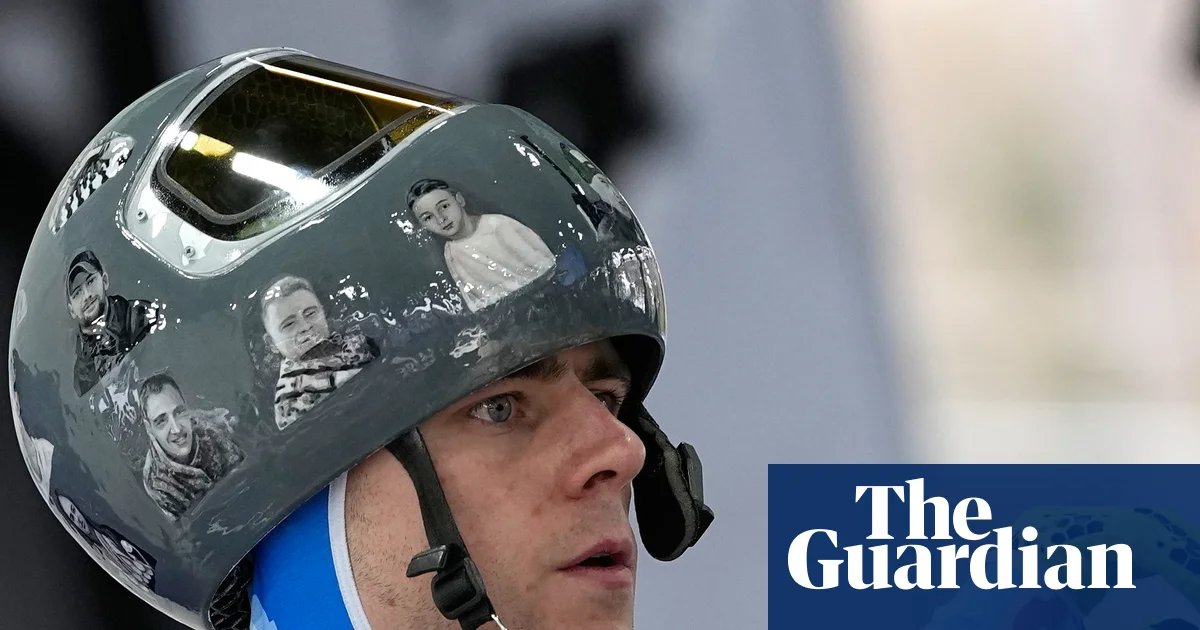
Ukrainian Athletes Stand Strong in Defiance of IOC Rules
Amid rising tensions regarding the ongoing conflict in Ukraine, Ukrainian athletes are boldly challenging the International Olympic Committee (IOC) regulations that prohibit protests during competitions. This defiance comes in light of a controversial decision to ban a “helmet of memory” honoring the athletes who have lost their lives due to the war.
Defiance on the Ice
During a practice session in Italy, skeleton racer Vladyslav Heraskevych made headlines by continuing to wear his helmet, which features the names of fallen athletes. Earlier, luge competitor Olena Smaha also showcased a powerful message on her glove, stating “remembrance is not a violation,” as she completed her run.
Appealing the Ban
The Ukrainian team has formally appealed the helmet ban, arguing that it does not violate Article 50 of the Olympic Charter, which addresses political statements in athletic events. Following a second-place finish in a training run, Heraskevych affirmed his intention to wear the helmet during the upcoming competition.
“I used it in all trainings. I used it today, I will use it tomorrow, and I will use it on race day,” he declared. “I truly believe that we didn’t violate any law and any rules.”
Support from Leadership
The images depicted on Heraskevych’s helmet include those of notable athletes who have died, such as weightlifter Alina Peregudova, strongman Pavlo Ishchenko, and ice hockey player Oleksiy Loginov. Heraskevych has received public backing from Ukrainian President Volodymyr Zelenskyy, who expressed solidarity for the memories of these athletes.
Reflecting on the IOC’s stance, Heraskevych shared his disappointment, stating on social media, “A decision that simply breaks my heart. The feeling that the IOC is betraying those athletes who were part of the Olympic movement, not allowing them to be honored on the sports arena where these athletes will never be able to step again.”
A Compromise from the IOC
Despite the ban on the helmet, IOC spokesperson Mark Adams mentioned that the committee would allow Heraskevych to wear a black armband during the competition. Adams noted that an informal discussion was held with Heraskevych, his coach, and the Ukrainian delegation to address their concerns compassionately.
“What we’ve tried to do is to address his desires with compassion and understanding. We will not stop him from expressing himself in press conferences, in the mixed zone, and elsewhere. And we feel that this is a good compromise,” Adams remarked.
Conclusion
Ukrainian athletes are courageously standing up against the IOC’s prohibitive regulations, striving to honor their fallen comrades while competing. Their bravery has not only sparked a dialogue about the intersection of sports and political statements but also highlights the emotional weight carried by athletes amidst conflict.
- Ukrainian athletes are challenging IOC protest rules with defiance.
- The “helmet of memory” honoring fallen athletes is at the center of controversy.
- Support from President Zelenskyy underscores the significance of honoring deceased athletes.
- The IOC has allowed a compromise with a permitted black armband for expression.