

Analyzing Trump’s Remarks at the Davos Forum
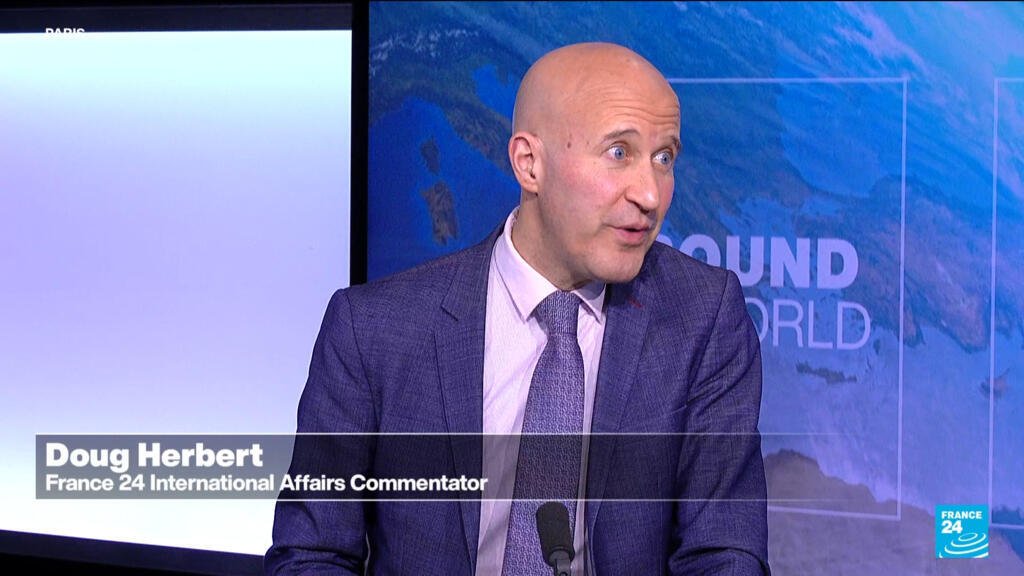
During a recent address at the Davos forum, former US President Donald Trump expressed a keen interest in acquiring Greenland, citing its historical ties to the United States. He claimed that the territory was once part of the US and subsequently “given” to Denmark post-World War II. However, as highlighted by FRANCE 24’s Douglas Herbert, this assertion lacks historical accuracy. In addition, Trump once again presented a misleading comparison between Ukraine and Russia, seemingly disregarding the reality that Russia is the aggressor in the ongoing conflict.
Understanding Trump’s Claims on Greenland
Trump’s statements about Greenland’s past stir up a number of questions regarding the factual basis behind his claims. The assertion that the territory was “given” to Denmark after World War II is not substantiated by historical records. Greenland has been an autonomous territory under the Kingdom of Denmark, and the complexities of its governance and ownership do not align with Trump’s simplification.
The Historical Context of Greenland
To grasp the situation more thoroughly, one must look into the history of Greenland, which has been a part of Danish territory for centuries. During World War II, the strategic importance of Greenland was recognized, but its status was not altered based on simple transfers of ownership. Such claims by Trump appear to reflect a misunderstanding of the international dynamics that have shaped Greenland’s fate over the years.
Misleading Implications on the Ukraine-Russia Conflict
In addition to his remarks on Greenland, Trump also made a contentious comparison between the situations in Ukraine and Russia. This notion of equivalency dismisses the reality of the conflict, where Russia has acted as the aggressor by invading Ukrainian territory. Such statements can obscure the truth of the situation and potentially misguide public perception.
Impact of Miscommunication
Statements like these can lead to misunderstandings about critical global issues. It is vital for leaders to communicate with clarity and accuracy, especially on matters as serious as territorial integrity and international conflict. Misrepresenting the aggressor in a conflict not only misleads public opinion but may also influence policy decisions and international relations.
Conclusion
In summary, Trump’s assertions regarding Greenland and the Ukraine-Russia conflict reflect significant historical inaccuracies and dangerous misconceptions. It’s crucial for political leaders to present factual and clear information to the public, especially when discussing sensitive international matters.
- Trump claimed Greenland was once US territory, a historically inaccurate statement.
- The assertion of equivalency between Ukraine and Russia undermines the reality of aggression.
- Clear communication from leaders is essential for informed public discourse.
- Understanding the historical context is key to grasping current geopolitical issues.