

Ukraine Declares State of Emergency in Energy Sector Amid Winter Challenges
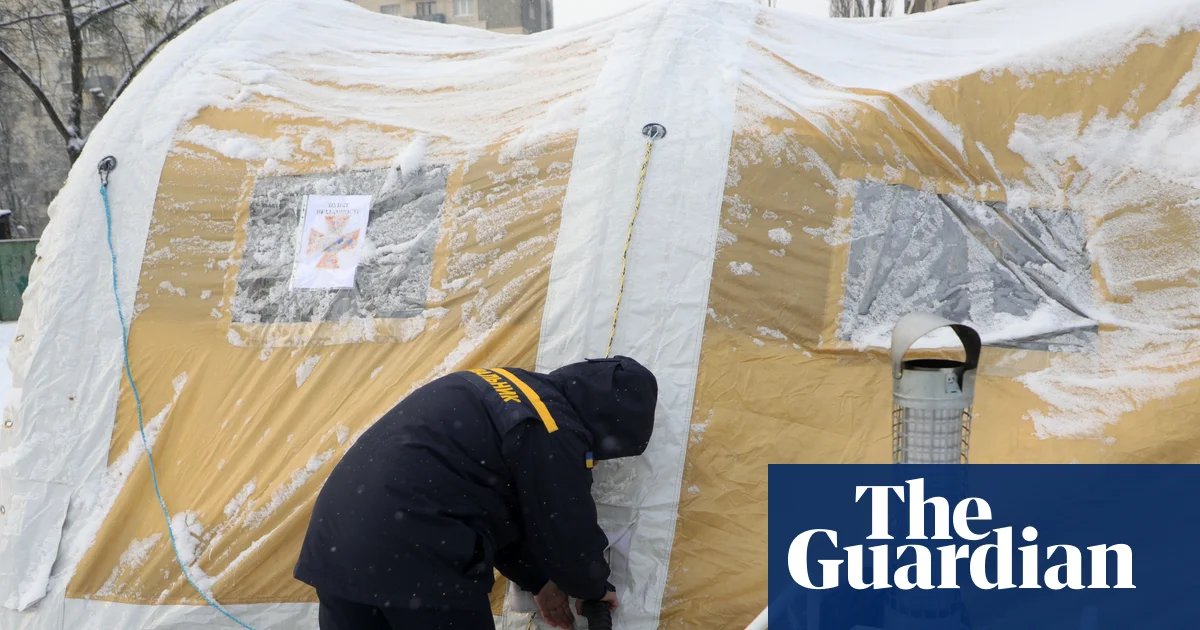
In response to significant disruptions in power supplies due to intense Russian assaults, Ukrainian President Volodymyr Zelenskyy has announced a state of emergency in the nation’s energy sector. This initiative aims to enhance energy imports and bolster efforts to restore essential power and heating supplies. As temperatures fall to nearly -20°C (-4°F) at night, emergency teams are working tirelessly to address the situation and provide warmth to affected citizens.
Emergency Measures To Be Implemented
Zelenskyy emphasized that the state of emergency will grant authorities increased options and flexibility in managing the crisis. He urged for the creation of more centers where residents can seek refuge from the cold and recharge their devices. Furthermore, he mentioned that in regions where safety permits, nightly curfews might be lifted to improve accessibility for citizens.
Criticism of Kyiv’s Preparedness
Highlighting concerns about the readiness of Kyiv compared to other major cities, particularly Kharkiv, Zelenskyy noted that the capital has not done enough to prepare for the current hardships. “I do not see sufficient intensity,” he asserted, urging for prompt corrective actions. In response to the criticism, Kyiv’s Mayor Vitali Klitschko stated that heating had been restored to nearly all affected apartment buildings, with support services operational around the clock. “Such statements undermine the hard work of countless professionals,” he remarked, emphasizing the significant efforts being made by his team.
Coordination and Leadership in Crisis
To improve coordination, a permanent headquarters will be established in Kyiv, overseen by Denys Shmyhal, who has recently been appointed as the first deputy prime minister and energy minister. This move aims to streamline operations and enhance the response to the ongoing energy crisis.
Diplomatic Tensions and Peace Negotiations
In a broader context, former U.S. President Donald Trump has suggested that Ukraine, rather than Russia, is impeding potential peace negotiations. This stance diverges sharply from the views of European allies, who maintain that Moscow shows little interest in ceasing its military actions. “I think he’s ready to make a deal,” Trump remarked about Russian President Vladimir Putin, adding that Ukraine seems less prepared for compromise. The ongoing debate over territorial issues remains a critical barrier to peace.
Military Positions and Expectations
President Zelenskyy has called upon the military to hold firm along the extensive 1,200 km (775-mile) frontline and encouraged diplomats to persist in their peace efforts. “From our side, maximum productivity is required,” he stated, while expressing hope for a similarly vigorous approach from American representatives.
Military Equipment and Funding Challenges
In a notable development, it was announced that Ukraine will gain the ability to procure military equipment from non-European suppliers once it secures access to a €90 billion (£78 billion) EU loan later this year. European Commission President Ursula von der Leyen confirmed that while a preference for European suppliers is to be prioritized, alternatives will be considered if necessary. This marks a shift from France’s earlier restrictive measures, although the proposal to utilize Russia’s frozen assets remains a backup plan.
Defense Minister Highlights Military Strains
Ukraine’s new defense minister, Mykhailo Fedorov, recently reported significant obstacles facing the military, including the desertion of approximately 200,000 troops and two million individuals avoiding conscription. He noted challenges such as bureaucratic inefficiencies and disruptions in equipment supply, stating, “We cannot fight a war with new technologies but an old organizational structure.”
Financial Shortfalls and Emerging Industries
Fedorov also indicated that the defense ministry is facing a funding shortfall of 300 billion hryvnia (approximately $6.9 billion). On a more positive note, he highlighted the emergence of new sectors within the military-industrial landscape, mentioning that around 20 private missile manufacturers and over 100 companies have begun producing ground-based robotic systems.
US Sanctions and Energy Asset Negotiations
In related news, the U.S. Treasury Department has extended a license allowing companies to negotiate with Russian energy giant Lukoil regarding the acquisition of its foreign assets until February 28. This comes in the wake of sanctions imposed on Lukoil and Rosneft, Russia’s largest energy corporations, as part of measures to pressure Moscow over its ongoing conflict in Ukraine. Lukoil’s $22 billion in global assets were listed for sale shortly after sanctions were enacted, facing significant operational challenges around the globe.
Conclusion
The complex interplay of energy management, military challenges, and international diplomacy is becoming increasingly evident in Ukraine. As authorities navigate through these critical issues, the focus remains on stabilizing the energy sector and seeking effective strategies for peace.
- Ukraine declares a state of emergency in the energy sector amid winter challenges.
- Efforts to restore power and heating are ongoing at a time of extreme cold.
- Military and bureaucratic challenges are impacting defense capabilities.
- International negotiations regarding military equipment and sanctions are underway.