

Facing the Future: The Urgent Needs of Children in 2026
As we step into 2026, it is crucial to recognize that children worldwide are encountering unprecedented challenges. This reality comes at a time when the humanitarian systems designed to safeguard their futures are grappling with significant setbacks. The events of 2025 have created a stark environment for millions of children around the globe.
The Turning Point of 2025
The year 2025 marked a defining moment in global humanitarian efforts. In January, when the United States abruptly suspended foreign aid, billions of dollars disappeared in an instant. This decision led to the suspension of essential programs, closure of offices, and the loss of critical services, leaving countless individuals—especially children—without access to food, healthcare, education, and protection. Lifelines that communities had relied on for generations were suddenly jeopardized, resulting in dire consequences for children who often bear the brunt of such crises.
A Shock to the System
International NGOs were hit hard by these developments. At Save the Children, we faced some of the most challenging decisions in our 106-year history. We had to shut down country offices, lay off thousands of staff, and drastically reduce life-saving operations. Our estimates indicated that around 11.5 million people, including 6.7 million children, immediately felt the adverse effects of these cuts. The long-lasting impacts would ripple through communities for years to come.
These aid reductions came at a time when children were already grappling with significant obstacles, including conflict, displacement, and the pressures of climate change. Progress achieved over decades faced the very real risk of being undone.
Startling Figures
The statistics are alarming. In 2025, one in five children lived in a conflict zone, facing a landscape where injury, assault, and abduction reached alarming levels. Approximately 50 million children were displaced globally. Nearly half of the world’s children—around 1.12 billion—could not afford a balanced diet, while 272 million remained out of school. Each statistic symbolizes a child’s potential being curtailed by fear, hunger, and lost opportunities.
Personal Impacts of the Aid Collapse
For children, the cessation of aid was not merely a budgetary issue; it was a deeply personal crisis. Health clinics and schools closed their doors as violence and displacement escalated. Years of progress in child survival, education, and rights were at risk, making children increasingly susceptible to hunger, exploitation, and violence.
Exposing Systemic Fragility
The crisis laid bare the vulnerabilities of the global aid system. When support is dependent on a limited number of government donors, any political shifts can have immediate, devastating effects on children. The events of 2025 illustrated how rapidly international commitments can unravel, with severe implications for the most vulnerable populations.
Resilience Amidst Crisis
Yet, amid this turmoil, remarkable resilience emerged. Families, educators, healthcare workers, and local organizations found creative ways to ensure continued learning, care, and safety for children. This highlighted an essential truth: the most effective responses are grounded in community involvement.
Despite the challenges, there were also moments of progress in 2025. Significant legal reforms took shape, enhancing protections for children, such as the ban on corporal punishment in Thailand and the criminalization of child marriage in Bolivia. These advancements remind us that change is possible, even in adversity, when the rights of children take center stage in policy discussions.
A Call for Change in 2026
The upheaval of 2025 presents a critical opportunity for reflection and innovation. We must design systems that are sustainable, locally directed, and accountable to those they serve. For children, this shift is essential. Solutions developed close to the communities that children belong to are more likely to align with their needs and aspirations.
We must engage in crucial conversations about how to protect life-saving assistance from political shifts, diversify funding sources, and allow children and youth to participate meaningfully in decisions that influence their futures.
The Path Forward
Innovation alone isn’t the answer, but it can be part of the solution. When utilized efficiently, digital tools and community-led initiatives can enhance accessibility and accountability. However, we must remain vigilant against the potential for these technologies to exacerbate existing inequalities. The challenge lies in ensuring that our approaches remain ethical and politically sound.
Children continue to dream and hope, regardless of their circumstances. In refugee camps, urban areas, and war-torn neighborhoods, they speak out, organize, and envision futures that adults have failed to secure for them. Their resilience underscores the importance of our work and our capacity to adapt.
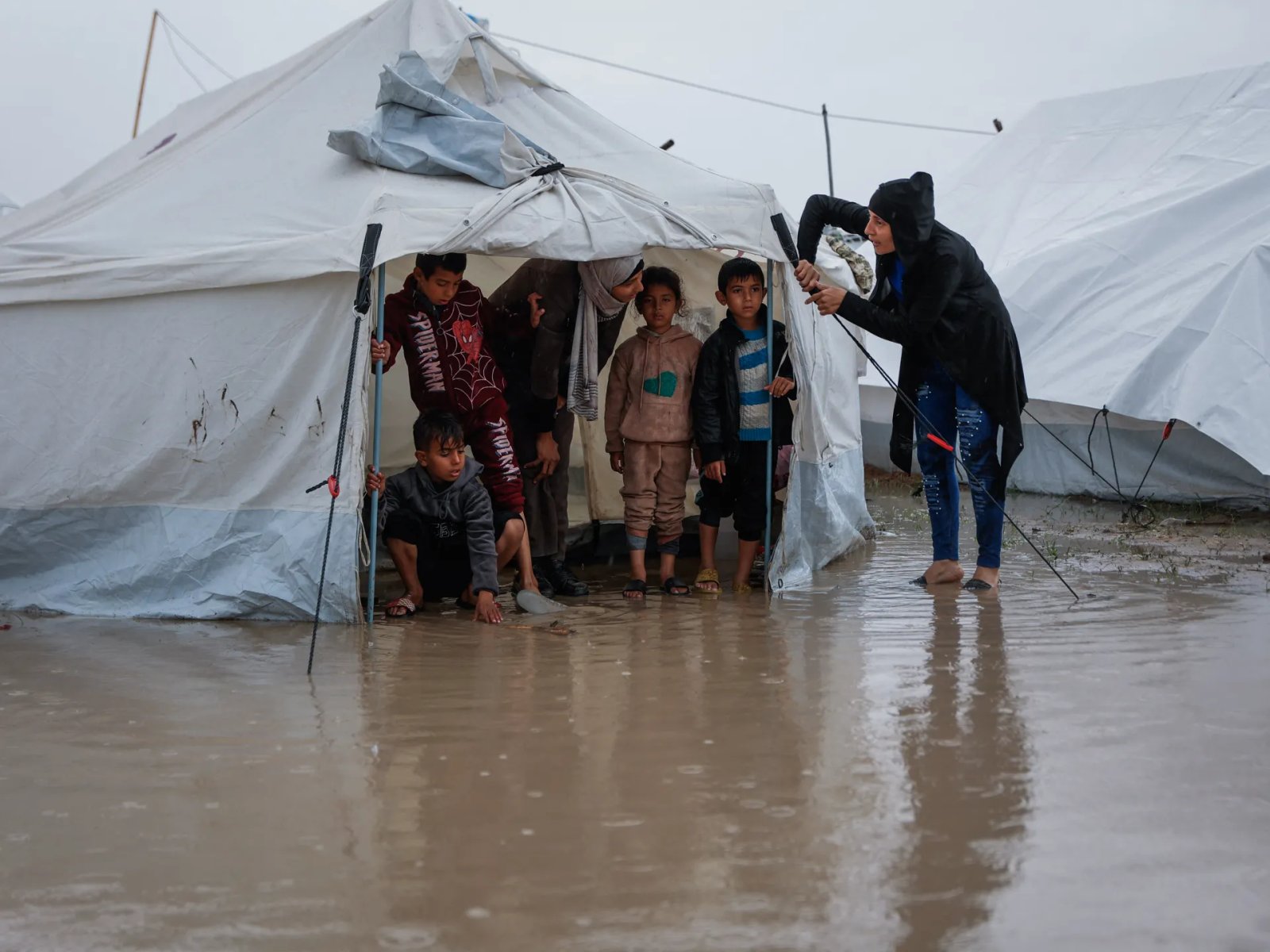
In conflict zones like Gaza, I have witnessed the severe conditions under which children live. Many face malnutrition and endure a daily existence where life seems less desirable than death. No child should ever find themselves in a position where death appears preferable. They are children, and their voices must be amplified.
Conclusion
If 2025 exposed the vulnerabilities of outdated aid models, let 2026 be a transformative year. We have an opportunity to create systems resilient to political volatility, founded on local leadership and accountability to the children we serve. The ongoing challenge is to reshape our systems so that, regardless of global changes, children’s needs always come first.
- Children worldwide are facing unprecedented challenges in 2026.
- The suspension of foreign aid in 2025 severely impacted critical services for children.
- Resilience and local initiatives emerged as critical responses during the crisis.
- 2026 presents an opportunity to build more resilient and accountable systems for child welfare.