

Assessing the State of Peace Negotiations Between Russia and Ukraine
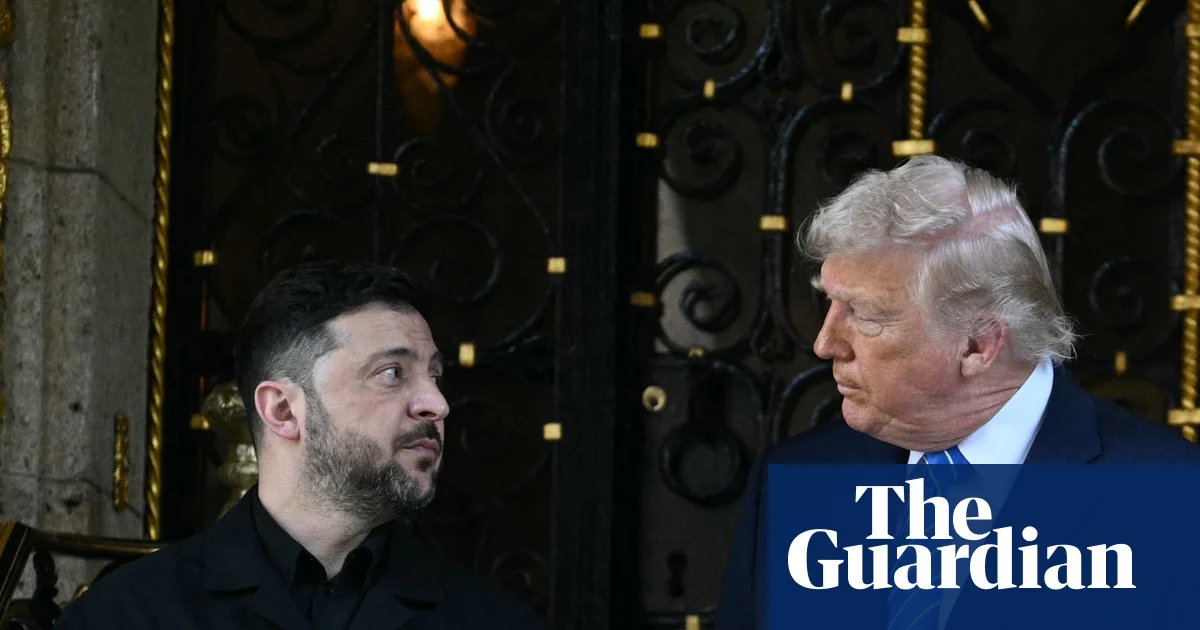
Recent discussions surrounding the potential peace between Russia and Ukraine are increasingly complex. Former President Donald Trump recently stated that a deal to end the ongoing conflict was “95% done” following his meeting with Ukrainian President Volodymyr Zelenskyy at Mar-a-Lago. However, the remaining 5% hinges on the crucial need for Vladimir Putin’s agreement, and indications suggest that such consensus is far from being reached. This situation reflects a history of overly optimistic forecasts of a swift resolution, including Trump’s earlier claims that he could conclude the war within 24 hours.
A Cautious Perspective on the Current Situation
Observers taking a sober look at the peace negotiations may react to Trump’s claim of “95%” completion with skepticism, much like how Zelenskyy responded to Trump’s assertion that “Russia wants to see Ukraine succeed.” Such statements seem almost comical amid ongoing hostilities. Just recently, Russia accused Ukraine of using long-range drones to target one of Putin’s residences and declared intentions of retaliating. Zelenskyy dismissed this as “another lie from the Russian Federation,” suggesting that Russia is looking for justifications to strike at government buildings in Kyiv. This exchange hardly paints a picture of two nations nearing a historic peace agreement.
The Stalled Path to Peace
Since the emergence of a US peace plan in mid-November, derived from Russian demands, multiple deadlines for a peaceful resolution have come and gone. Promises of a deal by Thanksgiving or peace by Christmas fell flat, highlighting the challenges in negotiations.
Central to the conflict is Russia’s insistence that the war will only conclude when its “root causes” are adequately addressed. This phrase remains vague but implies that Russia seeks to maintain some level of military or political control over Ukraine’s future. Currently, Ukraine faces one of its toughest winters, with many citizens willing to make difficult compromises, yet capitulation is not seen as an option. Meanwhile, Putin’s unwavering dedication to his maximalist goals further complicates the situation, as Trump shows little inclination to pressure him for change. Without a shift in either of these stances, the prospects for a lasting peace agreement appear dim.
Diplomatic Efforts and Security Guarantees
The diplomatic efforts of Ukraine’s European allies center on fostering continued US engagement with Kyiv and preventing Trump from cutting off essential US assistance, including intelligence sharing vital to Ukraine’s war effort. European partners have also advocated for US-backed security guarantees to strengthen Kyiv’s position in the aftermath of the elusive peace agreement.
During the recent weekend, Trump reported some advancements regarding these security guarantees; however, specifics remain unclear, and the practical execution of these guarantees is questionable. Russia is likely to reject any substantial commitment to station Western forces in Ukraine or provide NATO-like assurances, suggesting that any significant guarantees would have to be enforced on Russia rather than being part of a negotiated peace.
This scenario appears unlikely: neither the US nor Europe are inclined to engage in warfare with Russia over Ukraine at this stage, nor are they likely to consent to commitments that could obligate them to do so in the future. Furthermore, there are no indications that Trump is prepared to impose any measures on Putin. His actions seem to indicate a preference for the Kremlin leader over Zelenskyy, exemplified by the absence of US officials meeting Zelenskyy upon his arrival in Miami, contrasting sharply with the warm reception afforded to Putin during previous encounters.
The Uncertain Future of Ceasefire
If Russia were to agree to a ceasefire eventually, the mechanisms available to the West for ensuring compliance from Moscow are uncertain. The absence of a ceasefire, coupled with the lack of a deal, leaves Ukraine facing two disheartening scenarios: one where it manages to continue its defense until political or economic shifts in Russia prompt a more favorable stance; the other, where conditions deteriorate to such an extent that Kyiv must concede to Moscow’s harsh terms.
Conclusion
The road to peace between Russia and Ukraine is fraught with challenges and uncertainties. Despite statements of optimism, the reality presents a stark contrast, with both parties still navigating through deep-rooted tensions and differing objectives. As the situation evolves, continued attention to diplomatic efforts and on-ground realities will be essential in understanding the potential for a peaceful resolution.
- Trump claims a “95% done” deal for peace, but key agreement from Putin is still needed.
- Russia’s accusations against Ukraine highlight ongoing tensions and skepticism about peace prospects.
- Diplomatic efforts focus on maintaining US assistance and security guarantees for Ukraine.
- The uncertainty surrounding any ceasefire remains a foundational issue impacting negotiations.