

Defining Moments of the 21st Century
As we reflect on the last two decades, the 21st century’s history is marked by pivotal events that have shaped our collective experience. From the chaos triggered by the September 11 attacks in 2001 to the ongoing implications of technological advancements, a complex tapestry of moments has unfolded. This exploration journeys through major occurrences that have defined our time and the narratives surrounding them.
Start of the Century: A New Era
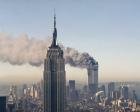
The debate surrounding the dawn of the new millennium often centered on the question of whether it began on January 1, 2000, or a year later. However, the true onset of the 21st century was marked by a significant and tragic event: the terrorist attacks on September 11, 2001. Two passenger jets collided with the Twin Towers of the World Trade Center, fundamentally altering the landscape of global relations and ushering in an age of heightened anxiety.
The Aftermath of September 11
In the lead-up to these events, historian Eric Hobsbawm had characterized the 20th century’s culmination as a brief interval from the onset of World War I to the fall of the Berlin Wall. Yet, in the years following the attacks, this ongoing tension seemed to envelop global affairs. The United States quickly initiated a “war on terror,” leading to prolonged military interventions in Afghanistan and Iraq, which sparked political upheaval and unrest across various regions.
Ripple Effects of Conflict
The legacy of these conflicts reverberated in numerous ways, giving rise to significant movements such as the Arab Spring and the emergence of extremist organizations. Yet, initially, there was a flicker of hope for a brighter future. Barack Obama, in his 2008 election campaign, inspired optimism, earning a Nobel Peace Prize remarkably early in his tenure.
Technological Optimism and Social Change
As the years progressed, optimism intertwined with technological advancements. The rise of social media seemed to pave the way for positive change, enabling communication and social movements across borders. Although the early expectations of platforms like Facebook and Twitter were bright, unveiling a new kind of grassroots activism, subsequent challenges began to surface as these platforms also fostered division.
Economic Turbulence
A momentous financial crash in 2008, precipitated by Lehman Brothers’ collapse, highlighted systemic vulnerabilities, steering economies into fluctuations. This financial downturn affected job markets and wages, particularly in the wake of the recession that followed.
Climate Crisis and Global Events
The climate crisis soon became a constant backdrop to human affairs, with natural disasters serving as grim reminders of environmental degradation. Events such as the destructive flooding in Pakistan and the catastrophic consequences of Hurricane Katrina elucidated social disparities exacerbated by climate change. The pandemic of 2020 further underscored humanity’s vulnerability, creating an eerie sense of shared trauma.
Social Movements and Cultural Tensions
The last few years have seen social movements gain momentum, prompting significant conversations about race, identity, and inclusion. From the poignant image of Alan Kurdi highlighting the refugee crisis to the Black Lives Matter movement gaining unprecedented traction, the 21st century has been marred by as much discord as it has achievements.
The Rise of National Populism
The political landscape has been increasingly shaped by forms of populism and nationalism, represented by figures like Donald Trump and movements like Brexit. These phenomena have often exploited economic grievances and fueled societal division, reshaping political dialogues around the world.
Looking Ahead
The narrative of this century is still in the making. As we stand on the threshold of potential innovation and change, whether exploring Mars or seeking solutions to ongoing crises, the future remains unwritten. With every image captured and every story told, we hold the power to forge our path forward.
Conclusion
The first quarter of the 21st century continues to be a dynamic blend of hope and despair, innovation and conflict. Through understanding the moments that have defined our past, we can better equip ourselves for the future that lies ahead.
- September 11, 2001, marked the real beginning of the 21st century.
- The impact of the “war on terror” continues to shape global politics.
- Technological advancements have provided both opportunities and challenges.
- Social movements have emerged, demanding justice and equality.