

Upcoming Parliamentary Debate on Workers’ Party Leaders’ Conduct
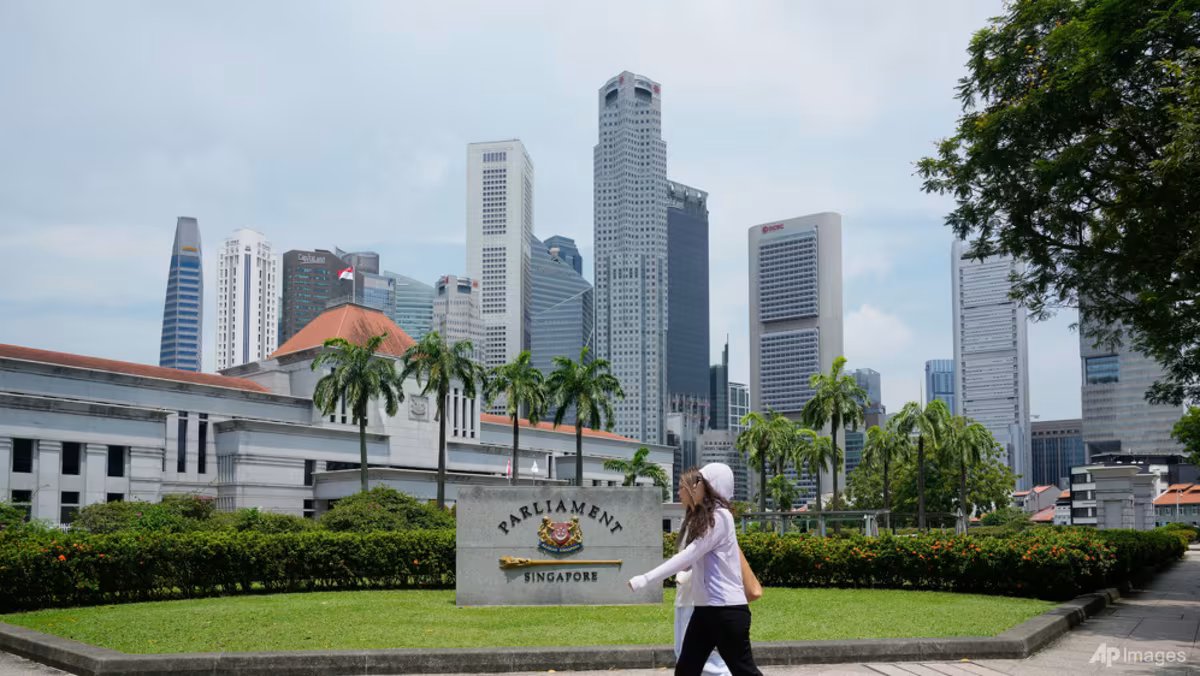
Political analysts predict a significant parliamentary discussion in January concerning a motion that could impact the conduct of leaders within the Workers’ Party (WP). This debate may pave the way for various punitive actions, potentially including fines, jail time, or suspensions for Members of Parliament (MPs) if a motion criticizing their handling of former MP Raeesah Khan’s misleading statements is approved.
Last week, the Leader of the House, Indranee Rajah, emphasized the necessity for parliament to determine an “appropriate response” to WP chief Pritam Singh’s conviction for perjury during a parliamentary committee investigation. She also indicated that the conduct of party chair Sylvia Lim and vice-chair Faisal Manap would be examined in the upcoming session.
Experts are anticipating that parliament will engage in a debate and vote on this matter. A motion, as defined on parliament’s website, is an “official proposal for the House to take action, order something to be done, or express an opinion on a specific issue.”
Implications of the Motion on Pritam Singh
Eugene Tan, an associate professor of law at Singapore Management University, noted that a debate is a “logical conclusion” following the report from a previous parliamentary committee on Raeesah Khan’s falsehoods. Previously, parliament deferred sanctions against Singh and other WP leaders until the conclusion of ongoing investigations and legal proceedings involving him.
Tan pointed out that parliament needs to address unresolved matters stemming from resolutions passed during the 14th Parliament on February 15, 2022, concerning the roles of the involved leaders in connection with Khan’s false statements made in 2021, along with their misrepresentations to the Committee of Privileges. He remarked that given the reality of the convictions, it is likely that parliament will exercise its punitive authority over Singh, Lim, and Manap for what he termed an unprecedented conspiracy to mislead parliament.
Ben Chester Cheong, a law lecturer at the Singapore University of Social Sciences, suggested that an official motion would allow for robust discussion within the House and pave the way for a formal expression of collective opinion. He observed that while a ministerial statement could outline the government’s stance or procedural context, the language used thus far seems to indicate that a debated motion is a more fitting approach.
Parliamentary Powers of Sanction
Experts also highlighted the distinction between judicial and legislative functions, noting that actions taken by parliament regarding WP leaders would not interfere with any criminal liability assessments. Cheong explained that such a motion would likely focus on the themes of privilege, accountability, and sustaining public confidence in parliament, rather than delving into party politics.
Tan clarified that decisions pertaining to appropriate responses do not include removing Singh and Lim from their MP roles, as such actions are contingent upon the WP itself. “The party can compel the trio to resign or even expel them, leading to their loss of seats. This is beyond parliament’s jurisdiction,” he emphasized.
According to the Parliament (Privileges, Immunities and Powers) Act, the House holds specific punitive powers concerning dishonorable behavior, abuse of privilege, or contempt. Potential sanctions include reprimands, fines not exceeding S$50,000, or suspension from parliament for a defined period.
Additionally, there’s the question of Singh’s role as Leader of the Opposition, which ultimately rests with Prime Minister Lawrence Wong. On May 5, Wong affirmed that Singh would continue in this capacity, a role that carries various privileges, including access to sensitive government briefings and additional funding for legislative staff.
For Faisal Manap, who is not currently an MP, parliament retains the authority to take action. Under the same Act, non-MPs can face penalties for contempt, including imprisonment for the duration of the parliamentary session and hefty fines.
Observers note the importance of ensuring that this process appears impartial rather than politically motivated, especially given the bipartisan nature of the current parliament. Tan acknowledged the challenging position parliament faces in upholding discipline and decorum while ensuring that breaches are addressed without bias.
In conclusion, the upcoming parliamentary discussions underscore the critical need for accountability within the political sphere, ensuring that past resolutions are adequately addressed to maintain standards and public trust.
- Anticipated January parliamentary debate will address WP leaders’ actions.
- Potential penalties include fines, suspensions, or jail terms for improper conduct.
- Focus will be on maintaining parliamentary integrity rather than party politics.
- Decisions on MP roles remain with the Workers’ Party and not parliament.