

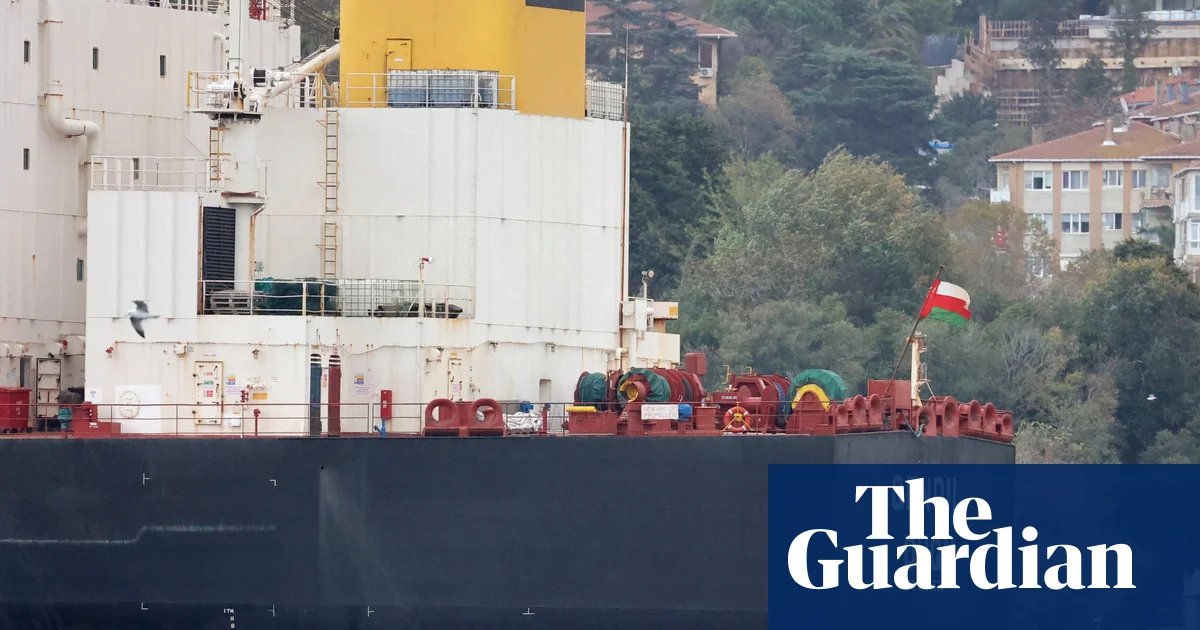
Ukraine Targets Russian Shadow Fleet Tanker in Mediterranean Strike
In a significant development in the ongoing conflict, Ukraine has struck a Russian “shadow fleet” tanker using aerial drones, marking the first such operation in the Mediterranean since Moscow’s full-scale invasion nearly four years ago. This attack occurred 1,250 miles from Ukrainian borders, off the coast of Libya, and coincided with Vladimir Putin’s annual end of year press conference. As tensions escalate over maritime activities involving shadow fleets—vessels that Russia, Iran, and Venezuela utilize to bypass sanctions—this operation emphasizes Ukraine’s commitment to countering Moscow’s revenue streams.
Details of the Aerial Strike
Kyiv’s strike reportedly inflicted severe damage on the targeted tanker, described as the Qendil, which was allegedly empty during the operation. A source from Ukraine’s Security Service (SBU) labeled this incident a “new, unprecedented special operation.” While specific details about the drone’s launch and flight path were not disclosed, the source confirmed that the operation presented no environmental threat.
The Qendil tanker is known to be involved in circumventing western sanctions, thus becoming a legitimate target in Ukraine’s eyes. The SBU emphasized that Ukraine has the capability to strike anywhere in the world, underscoring the seriousness of the operation.
Implications of Shadow Fleets
Shadow fleets, which comprise over 1,000 vessels frequently changing flags and ownership, allow Russia to continue exporting crude oil despite international sanctions. This network has become essential for funding Moscow’s military activities. Experts suggest these vessels are also being employed for hybrid warfare across Europe, raising security concerns among various nations.
International Responses
In light of Ukraine’s actions, global responses against shadow fleet activities have intensified. Recently, U.S. forces boarded a sanctioned tanker off the coast of Venezuela, while European countries are increasing their efforts to monitor and control these aging vessels, many of which operate without identifying systems to evade detection.
Officials have underlined the importance of targeting entities that contribute to Russia’s war effort, viewing such actions as lawful under international standards and military customs. A Ukrainian official reiterated this perspective: “This tanker was used to circumvent sanctions and earn money that was used for the war against Ukraine. Therefore, from the point of view of international law, this is an absolutely legitimate target.”
Conclusions
Ukraine’s recent attack on a Russian shadow fleet tanker highlights the ongoing struggle to disrupt Russia’s economic resources essential for sustaining its military operations. As international tensions rise, both Ukraine and allied nations are adapting their strategies to combat the complexities of maritime warfare in the Mediterranean.
Key Takeaways
- Ukraine attacked a Russian tanker in the Mediterranean, marking a new phase in maritime conflict.
- The strike demonstrated Ukraine’s commitment to combat Russia’s revenue-generating activities.
- Shadow fleets, utilized for bypassing sanctions, present significant challenges to international security.
- Global responses to shadow fleet operations are intensifying among several nations.