

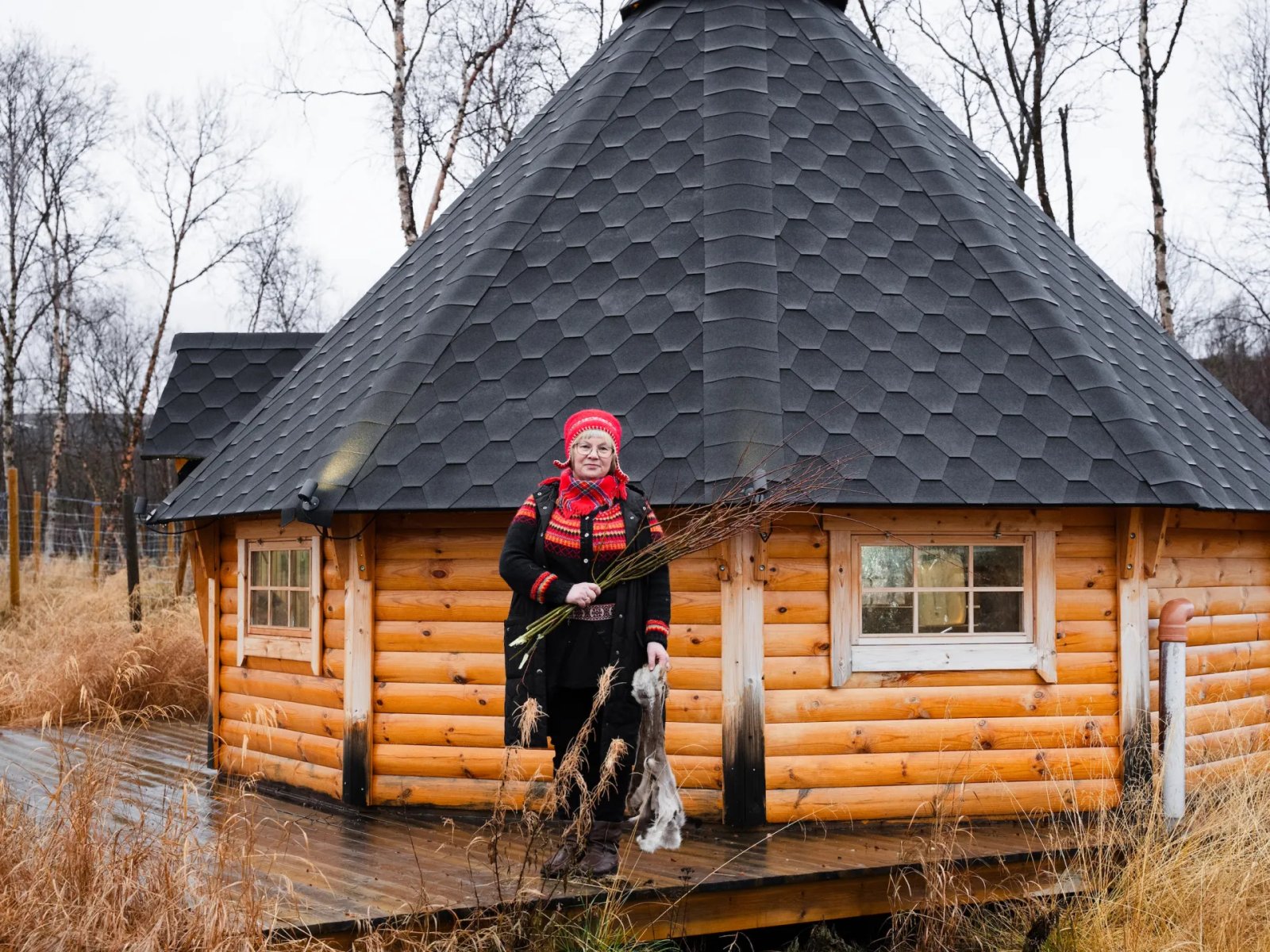
Defending Sami Heritage Against Wind Farm Development
As a reindeer herder from northern Norway, I belong to a lineage that has thrived on these lands for generations. Reindeer herding is more than just our occupation; it’s a vital part of Sami culture, encompassing respect for nature and community. However, our unique way of life faces an imminent danger that threatens both our income and our cultural identity.
A Growing Threat
Currently, the Norwegian government is planning to erect several hundred wind turbines across our grazing lands. These developments risk disrupting the migration routes of our reindeer, harming delicate ecosystems, and jeopardizing the very backbone of Sami reindeer husbandry. It is imperative that I voice my concerns, as the consequences could echo beyond economic loss; they could entail the erosion of our cultural heritage. This is why I have joined Amnesty International’s Write for Rights campaign this year.
Our History and Struggles
I grew up in Tana, a small village where my school class had only 12 students. Among the five of us who identified as Sami, two hailed from reindeer herding families. Initially, I believed the others were Norwegian. It was only later that I discovered they, too, were Sami, their true identities obscured by societal pressures.
During my school days, the Norwegian government aimed to assimilate Sami individuals, insisting that we should be recognized solely as Norwegians. Speaking Sami was forbidden in schools, and our cultural expressions, including traditional songs and instruments, faced bans. Such policies were an attempt to erase our identity, leaving long-lasting scars on our community.
Continuing the Tradition
Despite the constraints, my parents encouraged me to speak Sami at home, a practice viewed as illegal at the time. This nurturing environment cultivated a deep pride in my heritage, an opportunity many have been denied. For decades, we have fought to reclaim rights that should never have been stripped away.
From a young age, I felt a calling to become a reindeer herder, choosing this path alongside my husband soon after we married. For years, we peacefully embraced this life, convinced that we would follow in our ancestors’ footsteps.
Disruption of Livelihood
That sense of peace has been shattered. The government’s plans threaten not only our income but also the well-being of the reindeer we depend on. Each year, the reindeer migrate from winter grazing areas to summer pastures, returning to the same locations to give birth. Our role is to support their natural patterns, not to control them. Interference with these migration routes would disrupt the entire ecosystem.
In 2023, proposals emerged for numerous wind turbines to be installed on vital summer grazing lands. This development endangers the areas where our herds thrive, jeopardizing the very traditions that have sustained us for generations. Despite strong opposition from Sami communities, decisions are being rushed through by local authorities.
The Impact of Wind Farms
We understand how wind turbines affect reindeer; the animals instinctively avoid these areas, making the land unsuitable for grazing. While the state claims ownership over this land, Sami people were granted rights to use it centuries ago, a legacy now overshadowed by industrial interests. Our children are at risk of inheriting nothing.
Reindeer herding supports our community in numerous ways, providing food and materials for traditional crafts. My family also operates a small business that shares Sami culture with visitors, attracting around 4,000 individuals annually. We stand to lose everything we’ve built if these wind farms proceed.
Cost of Green Energy?
What makes this situation harder to accept is the rationale behind these projects. We are told they represent progress towards green energy. But at what price? Norway already possesses abundant electricity. Why is nature valued solely for its potential exploitation? We are the ones experiencing the effects of climate change, with winters growing milder and unpredictable. To thrive amidst these changes, we need this land, not more sacrifices.
For over a year, I have tirelessly fought to defend our rights and community, engaging with energy companies and government officials to advocate for our way of life. Yet, it often feels like our voices go unheard.
The Fight Continues
Now, seven wind farm projects are under discussion, with hundreds of turbines planned. My explanations of the adverse effects continue to fall on deaf ears, as decisions appear to have been predetermined. I feel like I’m sacrificing my life in this battle to protect what should never have been at risk.
As a mother and grandmother, I worry deeply about the future facing my children and grandchildren. Young people should not have to incessantly fight for their basic rights.
This struggle has weighed heavily on my mental health. Some days, I struggle just to cope with this reality. Yet, my community rallies around me, reminding me of my strength. My fight is not just for my family; it’s for everyone in our community.
Unwavering Resolve
I refuse to give up. Together with friends, I protest outside government buildings. Solidarity is crucial, and I cannot stand idly by while our lands are claimed. As long as I have the strength to resist, I will continue this fight.
From a young age, I have been an activist, advocating for the right to speak Sami, ensuring it is recognized as our first language. This struggle never truly ended.
I am thankful for Amnesty International’s support as we face these challenges. Their solidarity reassures us that we are not overlooked, even when our government seems indifferent. This is our life; I know no other way of being. We must protect our land for future generations to thrive as Sami.
- The Sami way of life is threatened by plans for extensive wind farm developments.
- Government policies have historically tried to erase Sami culture, but efforts to reclaim rights continue.
- Wind turbines could disrupt crucial migration routes for reindeer, affecting both livelihoods and culture.
- Community support and activism are vital in the ongoing fight to preserve Sami heritage.