

The Unique Allure of Ice Hotels: A Seasonal Adventure
It’s that time of year again when ice hotels are welcoming visitors from around the globe. From the snowy expanses of Canada to the enchanting landscapes of Finnish Lapland and the majestic slopes of Zermatt, these frosty accommodations are making their annual return. Each winter, new ice hotels spring up, crafted to provide an unforgettable, albeit temporary, luxurious escape before melting away with the arrival of warmer weather.
More Than Just Ice Rooms
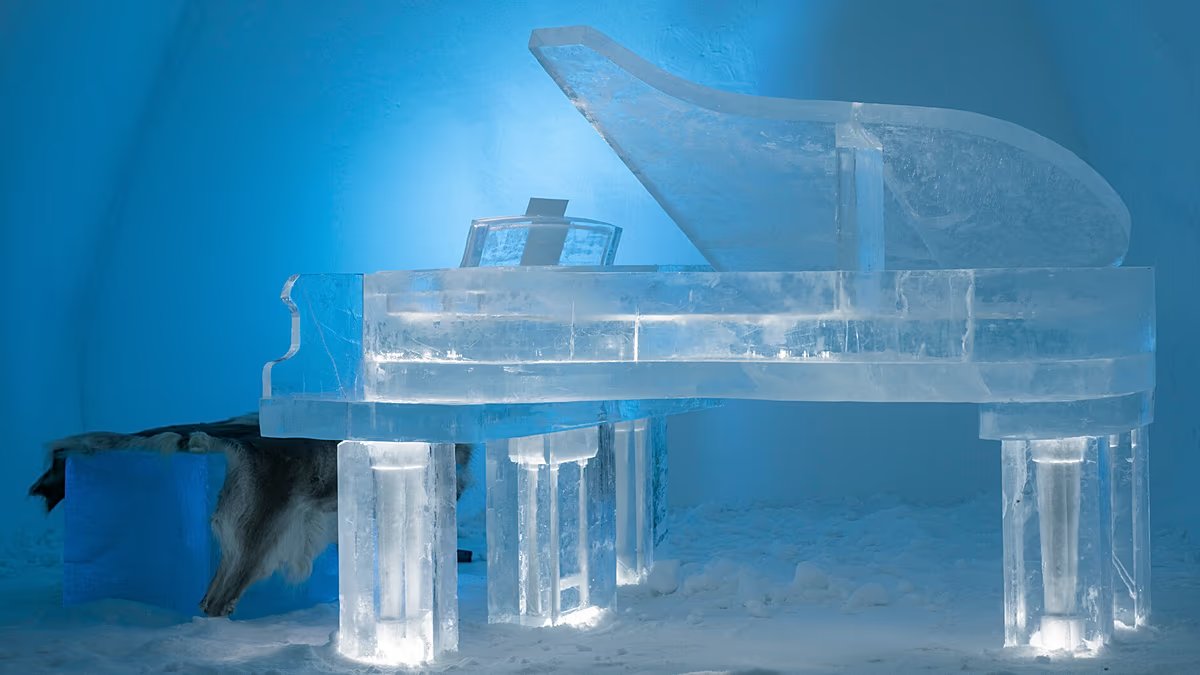
If you think an ice hotel consists solely of a room made of ice, think again. Premier ice hotels have evolved into complex, artistic creations, ensuring that guests enjoy all the luxury amenities typical of 5-star hotels. Meticulously designed interiors often feature input from artists who lend their vision to create individually themed suites rather than just repeating typical designs.
Special Features and Unique Concepts
At ICEHOTEL 36 in northern Sweden, for instance, visitors can find 12 distinct suites, each with its own unique theme. Among this season’s innovative designs is a frozen library embedded within the icy walls, along with a suite featuring sculpted spheres that seem to hover above the bed.
Guests experience comfortable sleeping on ice beds, equipped with insulated mattresses and warm sleeping bags. Given that indoor temperatures remain around -5°C, shared bathrooms and changing areas are thoughtfully located in heated adjacent buildings, and guests receive cold-weather apparel upon arrival.
Variations Across Locations
While the concept of ice hotels remains consistent—offering luxurious experiences—the accommodations may differ. At Apukka Resort near Rovaniemi in Finnish Lapland, guests can stay in glass-roofed igloos designed to provide spectacular views of the Northern Lights. On the other hand, Québec’s Hôtel de Glace combines intricately carved rooms with amenities such as hot tubs, saunas, and themed suites rebuilt anew each year.
Diverse Culinary Experiences
Dining options are equally impressive. At Hôtel de Glace, guests can move between multiple on-site restaurants and bars, sipping cocktails served in glasses carved from ice. Meanwhile, at ICEHOTEL, visitors may indulge in a four-course meal featuring local delicacies like reindeer and cloudberry, sometimes served on chilled ice slabs.
The Art of Building Ice Hotels
The creation of an ice hotel is no small feat and begins long before winter arrives. Ice harvesting typically occurs in late winter or early spring, where thick blocks are extracted from local rivers and stored until the construction begins. Once the cold sets in, usually around November, the building process kicks off.
At ICEHOTEL, the structure spans approximately 2,800 square meters, utilizing around 550 tons of ice as well as tens of thousands of cubic meters of ‘snis,’ a dense mixture of snow and ice used for structural support. The ice is harvested from the Torne River, and it’s stored until construction begins.
A Collaborative Artistic Effort
Each year brings a fresh opportunity for artists and designers to collaborate on the creation of a unique hotel, making every iteration distinct. According to hotel representatives, ICEHOTEL 36 will be one-of-a-kind and can’t be replicated.
“Each year is a new adventure,” says creative director Luca Roncoroni, highlighting the rush of about six weeks when nearly 90 artists, builders, lighting experts, and engineers work in unison. While some are seasoned veterans in working with snow and ice, others are trying their hands at this art form for the first time.
Your Next Ice Hotel Getaway
Despite the initial hesitation one might feel about sleeping on ice, most guests find that their experience is surprisingly cozy. You’ll spend the majority of your time in warm, comfortable spaces, with a bed of cushions awaiting you at night. This exclusivity and seasonal nature lend a premium to overnight rates, typically starting from €400 and up, depending on the location and amenities.
In Jukkasjärvi, Sweden, this year’s ICEHOTEL includes 12 art suites crafted by international artists, as well as charming ice rooms and galleries. Rates generally begin at approximately €600 per night for two, which includes thermal gear and breakfast.
Over in Switzerland, the Iglu-Dorf Zermatt is reconstructed annually, situated at 2,700 meters in the Swiss Alps. Guests can sleep in hand-carved igloos connected by snow-covered paths and can enjoy shared dining experiences featuring fondue and local specialties. Rates typically start around €450 for two, inclusive of dinner and breakfast.
In Finland’s Apukka Resort, accommodations range from glass igloos to spacious cabins that can hold larger groups. Winter stays start from about €400 per night. Meanwhile, just outside Québec City, Hôtel de Glace is crafted anew each winter with around 45 themed rooms and restaurants. Overnight stays generally begin around €500, with premium suites available for a higher price.
Conclusion
Ice hotels offer a unique blend of art, comfort, and seasonal adventure, providing a truly unparalleled experience for travelers. With beautifully crafted rooms, diverse dining options, and the spectacular backdrop of the Northern Lights, they present an extraordinary getaway for those seeking something different.
Key Takeaways
- Ice hotels are temporary luxury accommodations crafted from ice and snow each winter.
- The interiors are often designed by artists, ensuring each hotel is a unique experience.
- Despite sleeping on ice, most guests find their experience warm and cozy, as they enjoy various amenities.
- Rates for these extraordinary stays typically start around €400, including unique dining experiences.