

EU’s Bold Move: Freezing Russian Assets
In a dramatic shift, Europe has taken decisive action by freezing €210 billion of assets belonging to the Russian Central Bank. This significant decision took place in Belgium, home to the financial institution Euroclear, often perceived as a cautious financial safeguard. With this measure, the EU is addressing growing concerns around Russian influence and its impacts on regional security.
The Strategy Behind the Freeze
Previously, maintaining this asset freeze required unanimous support every six months, making it vulnerable to individual vetoes, particularly from Hungary. However, last week, the EU utilized a clever legal maneuver known as an “emergency clause.” This provision allows for majority voting during crises, effectively circumventing the need for unanimous consent and ensuring that no single nation can block the freeze.
The Implications for Russia
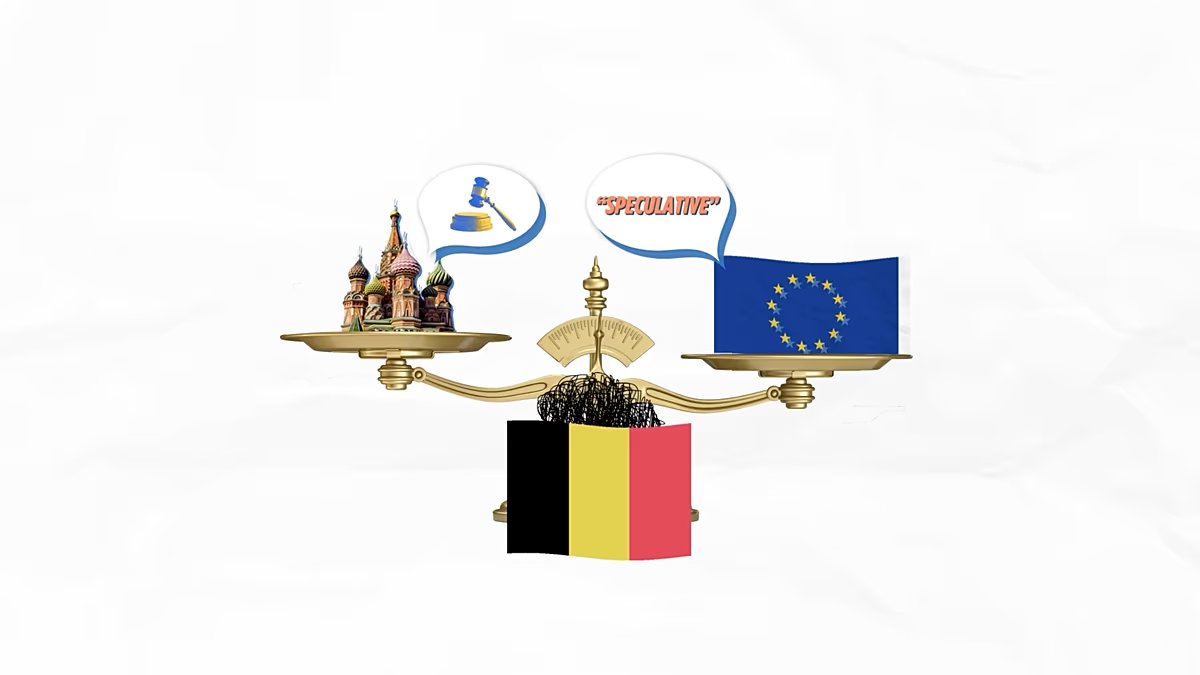
As a result of this new framework, the frozen assets are now held indefinitely unless another majority vote favors their release. Given the political climate, achieving such a vote in favor of Russia seems highly unlikely. Moscow has responded by initiating legal action against Euroclear, but the EU dismisses these moves as speculative. Belgium remains cautious about the potential legal repercussions, but the urgency of the situation is palpable.
The Countdown to the EU Summit
The push to solidify the asset freeze comes as the EU prepares for a critical summit. This gathering is crucial for securing an additional €90 billion needed to support Ukraine amid ongoing tensions. With threats such as Russian sabotage looming over Europe, swift and effective decisions are essential.
Reactions from Leaders
Hungarian Prime Minister Viktor Orbán has criticized the EU’s action, labeling it a “Brusselian dictatorship.” Conversely, many see this as a sign of a stronger, more unified Europe—one that no longer allows a single member state to undermine collective decisions during emergencies.
“This is a preview of a stronger EU that prioritizes collective security.”
Conclusion
The recent decision to freeze Russian assets represents a significant turning point for the EU, showcasing its commitment to solidarity and collective action in times of crisis. By enabling majority voting, Europe is taking bold steps toward strengthening its governance structures amidst ongoing geopolitical challenges.
- The EU has frozen €210 billion of Russian Central Bank assets.
- A legal emergency clause now allows majority voting to sidestep individual vetoes.
- Hungary’s PM has criticized the decision, while others see it as a sign of a stronger EU.
- The urgency is tied to a summit aimed at raising €90 billion for Ukraine’s defense.