

The Growing Vulnerability of Museums to Burglary
Museums are increasingly becoming targets for burglary, a situation that poses significant challenges compared to more secure establishments like jewelry stores and banks. Despite their rich cultural histories, museums often lack the resources to enhance security, as funding tends to prioritize exhibitions instead. This article delves into the reasons behind this vulnerability and sheds light on how museums can navigate the precarious balance between security and preservation.
The Historical Context of Museum Security
Directors of museums often find themselves lacking sufficient funds for security measures. Many prefer to allocate their budgets towards upcoming exhibitions rather than enhancing protective systems. Moreover, a number of museums are situated in historic buildings, which complicates the implementation of modern security solutions. For instance, the Denis Diderot Maison des Lumières, housed in two 18th-century mansions in Langres, was robbed just hours after a heist at the Louvre.
Balancing Security and Heritage Preservation
Local government officials, like Mayor Théo Caviezel, emphasize the challenge of reconciling contemporary security requirements with the preservation of historic structures. With strict heritage regulations in place in France, enhancing security without compromising the buildings’ integrity poses a significant dilemma.
The Open Nature of Museums
Museums, by their nature, serve as public spaces where access control is often minimal. Kumar Sokka, CEO of Acre Security, which collaborates with various European museums, notes that this openness allows potential criminals to enter as visitors. Even well-secured areas may not be entirely foolproof, as thieves have been known to come equipped with weapons. Brand highlights that while strict security measures are ideal, it would be impractical to station police officers in galleries at all times.
Shifting Tactics of Burglars
Historically, many art heists relied on cunning tactics and deception. Today, however, there’s a disturbing trend towards more aggressive and violent methods. A recent report from Europol pointed out that offenders are increasingly utilizing destructive tools like sledgehammers, axes, crowbars, and, in some rare cases, explosives to break into museums.
Incidents of Aggression
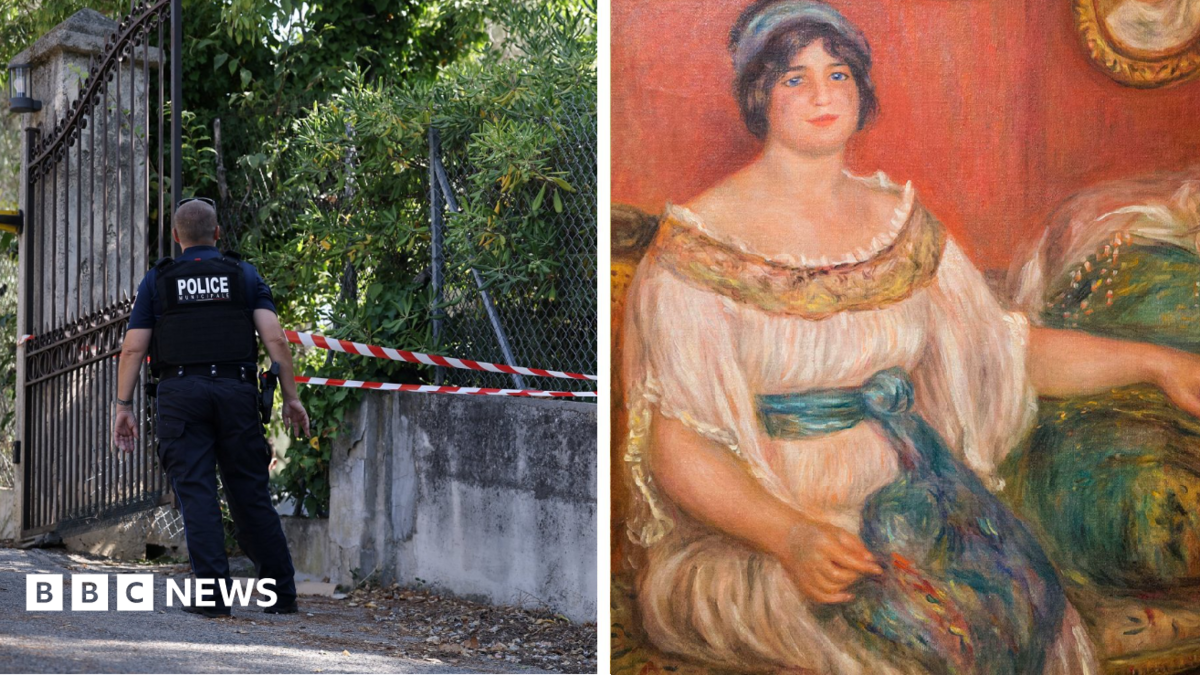
During a brazen robbery at the Louvre, thieves accessed the museum using a mechanical lift and power tools to cut through a window. Once inside, they threatened security personnel, forcing them to retreat, while they swiftly made their way to the displays and seized valuable jewels. In another alarming case involving a Renoir painting, assailants used electric knives to slice through fences before dismantling the frameworks holding the artwork.
Ensuring Safety During Incidents
The rise in violent incidents raises new concerns about the safety of museum-goers and staff. Lilli Hollein, director of the Museum of Applied Arts (MAK) in Vienna, emphasizes that incidents occurring during opening hours necessitate immediate actions to protect both visitors and employees.
Conclusion
The growing vulnerability of museums to burglaries highlights critical issues related to funding, security, and preservation. As cultural institutions continue to confront these challenges, finding a balanced approach that safeguards both the public and priceless artifacts will remain essential.
- Museums are often underfunded when it comes to security compared to other facilities.
- Historic buildings pose unique challenges in implementing modern security measures.
- Thieves are increasingly employing violent tactics rather than relying on deception.
- Ensuring the safety of visitors during robberies is a top priority for museum management.