

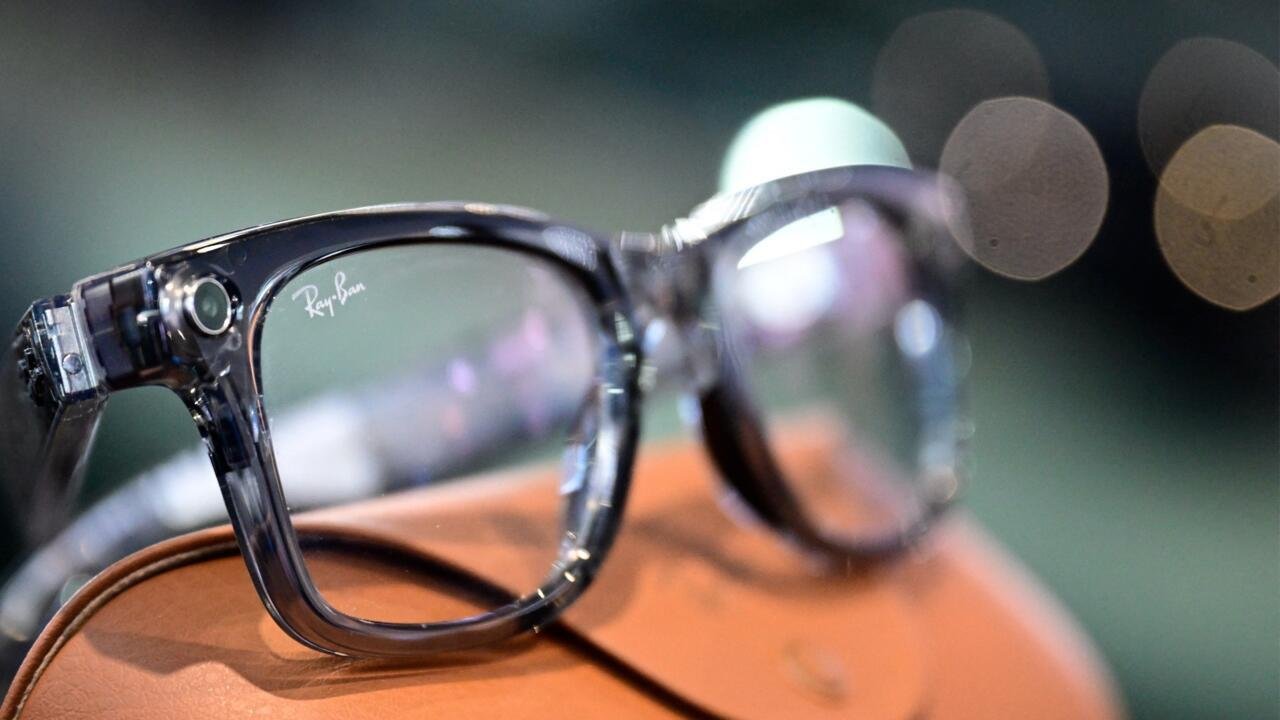
Growing Calls in Europe for Action Against “Pervert” Smart Glasses
As concerns about privacy escalate across Europe, calls for action against smart glasses, dubbed “pervert glasses,” are gaining traction. A recent petition in the UK urges a ban on the sale of these devices, following reports of secretly filmed footage of women and girls making its way online. With smart glasses now capable of taking photos, recording videos, interacting with AI, and more, their popularity is surging, especially after a high-profile marketing collaboration between a well-known celebrity and a tech giant.
The Rise of Smart Glasses
Originally launched by Google in 2013, smart glasses struggled to gain widespread acceptance. However, Meta’s recent models, created in conjunction with EssilorLuxottica, have found significant success, with sales reaching seven million pairs by 2025, a notable increase from two million in the previous two years. Other companies, including Google and Snap, are also gearing up to introduce their versions of AI-powered glasses.
Public Backlash and Privacy Concerns
The rapid growth of smart glasses has not come without backlash. Particularly in the UK, media outlets have spotlighted the term “pervert glasses,” amid fears that these devices could infringe upon personal privacy. This summer, a troubling incident involving a 17-year-old girl being secretly filmed while approached by a man wearing the glasses led to heightened concerns. In response, Meta has emphasized that they are taking steps to prevent tampering with the LED lights designed to indicate when the device is recording—a significant point of contention among critics.
Regulatory Responses
As discussions about regulation mount, Oslo, Norway has already banned smart glasses in schools. The government is contemplating further regulations, particularly around features enabling facial recognition in public spaces. Meanwhile, the European Union has been urged to take action on this front, while France’s data protection authority has called for increased vigilance regarding the use of these devices.
Grassroots Activism
A Swedish designer, Mateusz Pozar, launched the “Ban Ray” initiative, which provides signage for venues wishing to prohibit smart glasses. The movement was sparked by personal experiences and aims to stimulate a dialogue around privacy and technology as these devices become more prevalent in society. Pozar’s goal is to foster discussions about personal rights and data control implications before smart glasses are commonly accepted.
Seeking Regulatory Clarity
Concerns about data privacy have reached political circles, with EU lawmaker Veronika Cifrova Ostrihonova voicing her worries over these devices and their compliance with data protection regulations. She awaits responses from the EU’s executive body regarding safeguards for individuals. The European Commission has indicated that national authorities are responsible for monitoring privacy laws but hasn’t specified further actions.
Future Actions and Public Opinion
The potential ramifications of smart glasses on society are significant, as highlighted by lawmaker Alex Agius Saliba, who called for immediate action to ensure safety. He noted, “As things stand today, we should definitely go for a ban” until their safety is validated.
In Britain and Ireland, a “Stop Smart Glasses” campaign is underway, with a petition acquiring over 9,100 signatures thus far. If it reaches 10,000, the British government will be required to respond. Campaign founder Guy Holder expresses wider concerns about the implications of smart glasses on privacy in public spaces, warning of a future where individuals can film others without consent.
Conclusion
The rise of smart glasses has sparked essential conversations about privacy and regulation in Europe. As concerns mount over their social impact, it remains crucial for lawmakers and communities to engage in discussions that shape the future use and governance of this emerging technology.
Key Takeaways:
- Europe is increasingly concerned about smart glasses, particularly regarding privacy issues.
- Grassroots initiatives, like the “Ban Ray” campaign, are demanding discussions about the societal implications of this technology.
- Regulations are being considered by various European governments, including potential bans on facial recognition features.
- Public petitions in the UK are gaining traction, with significant support calling for a moratorium on smart glasses sales until their implications are fully assessed.