

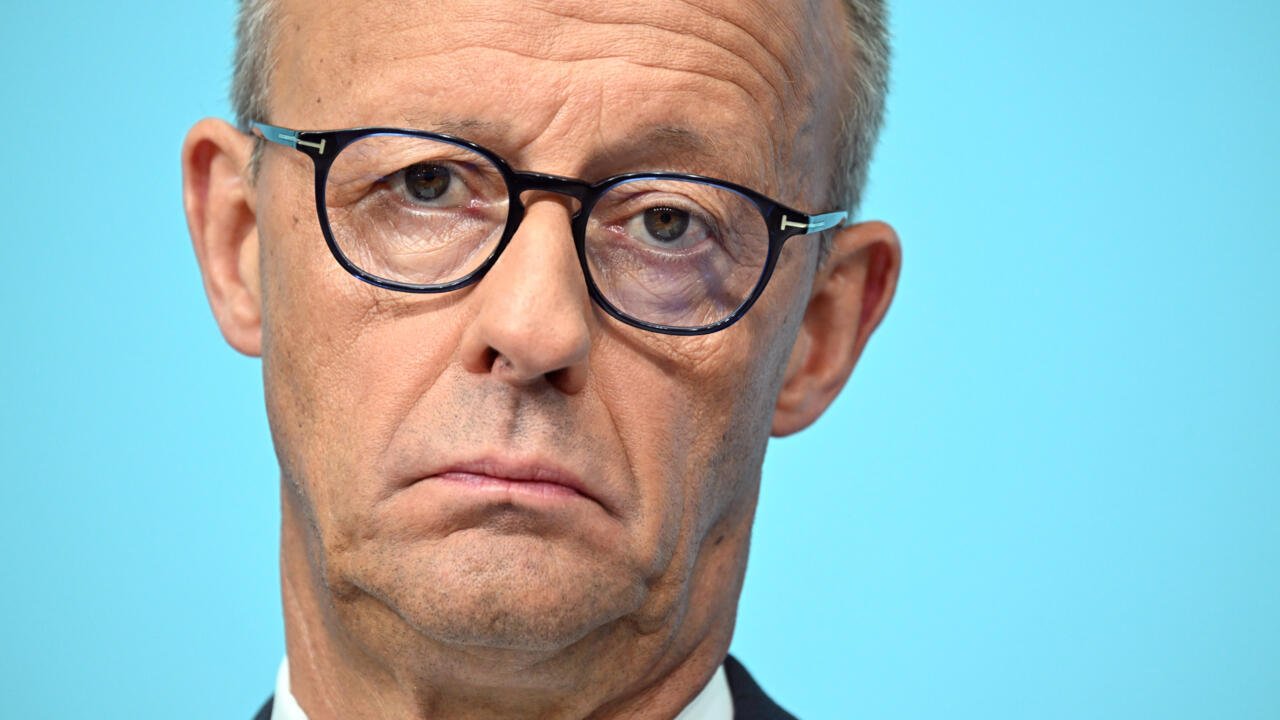
Chancellor Merz Faces Consequences After Electoral Defeat
In a stunning electoral setback, German Chancellor Friedrich Merz expressed his profound shock over his party’s defeat in the recent state elections to the far-right Alternative for Germany (AfD). Merz, visibly disheartened, acknowledged that this loss marked one of the significant downturns for the CDU party in decades, revealing his intention to maintain rigorous reforms while enhancing communication about them.
The Fallout from the Election
After the results from Saxony-Anhalt, where his centre-right CDU garnered only 17% compared to nearly 44% for the AfD, Merz stated, “This is the heaviest electoral defeat the CDU has suffered in years.” He added that the implications of this defeat would be profound.
AfD’s Response
In response, Alice Weidel, co-leader of the AfD, remarked that Merz had become a significant liability for Germany, claiming that he was “the most unpopular chancellor in history.” Ulrich Siegmund, the 35-year-old leading candidate for the AfD in the election, emphasized that voters were sending a clear message to the federal government, jokingly thanking Merz for being “a very good campaigner” for their party.
Shift in Governance
Siegmund expressed the party’s intentions to seek coalition partnerships to ensure a stable government, asserting that the election outcome provided an unmistakable mandate for governance. Sven Schulze, the outgoing CDU state premier, accepted the new opposition role, stating, “The mandate to govern now lies with the AfD.”
Merz’s Acknowledgment
Merz recognized his dismal popularity was a factor contributing to the CDU’s defeat. “I know that I personally was a constant topic during this election campaign,” he conceded, underscoring the need for a more effective outreach to voters.
Commitment to Reform
Despite the loss, Merz reaffirmed his unwavering commitment to reform for the benefit of future generations. He reiterated his steadfast belief in Germany’s role in supporting Ukraine, emphasizing that he would not waver in defending freedoms against external threats.
Reactions from AfD Supporters
The AfD’s victory was celebrated not only locally but also internationally, with supporters like tech entrepreneur Elon Musk sending congratulatory messages. However, the emergence of a far-right government for the first time in post-war German history has raised significant concerns among various communities, including migrants and minority groups.
The Concerns of Migrants
Amid the celebrations, many expressed fears about the implications of the AfD’s rise to power. One Afghan refugee with two children shared his apprehension about what could happen to his family under the new regime, stating, “I’m scared after hearing the news.”
Assurances from AfD Leaders
In an attempt to quell fears, AfD co-leader Tino Chrupalla reassured listeners that their party does not oppose those from migrant backgrounds, provided they are well-integrated and contribute positively to society. Merz also stated that German law applies universally to immigration and foreign policy.
Future Outlook for Merz’s Government
As pressure mounts from within the coalition and external factions, the CDU struggles with economic challenges and social policy divisions. Since its inception as a eurosceptic party in 2013, the AfD has shifted its focus to immigration issues following the CDU’s controversial refugee policies under Angela Merkel. Merz’s attempts to realign the CDU with its conservative roots and tackle irregular immigration have not yet improved his approval ratings.
The Path Forward
Analysts suggest that despite the blow dealt by the recent election results, Merz’s coalition may continue until the next general election, primarily due to the absence of viable alternatives. Economist Holger Schmieding noted that a change in leadership would come with significant risks that the party might prefer to avoid.
Conclusion
The electoral defeat faced by Chancellor Merz marks a critical moment in German politics, especially concerning the rising influence of the AfD. While Merz emphasizes a continued commitment to reform and outreach, the implications of this shift in governance will unfold in the coming months.
Key Takeaways
- Chancellor Friedrich Merz expressed deep shock at the CDU’s electoral defeat to the AfD.
- AfD leaders have criticized Merz, claiming he has become a hindrance to Germany’s progress.
- Concerns among migrants have intensified due to the AfD’s rise in power.
- Analysts predict that Merz’s coalition may persist despite internal and external pressures.