

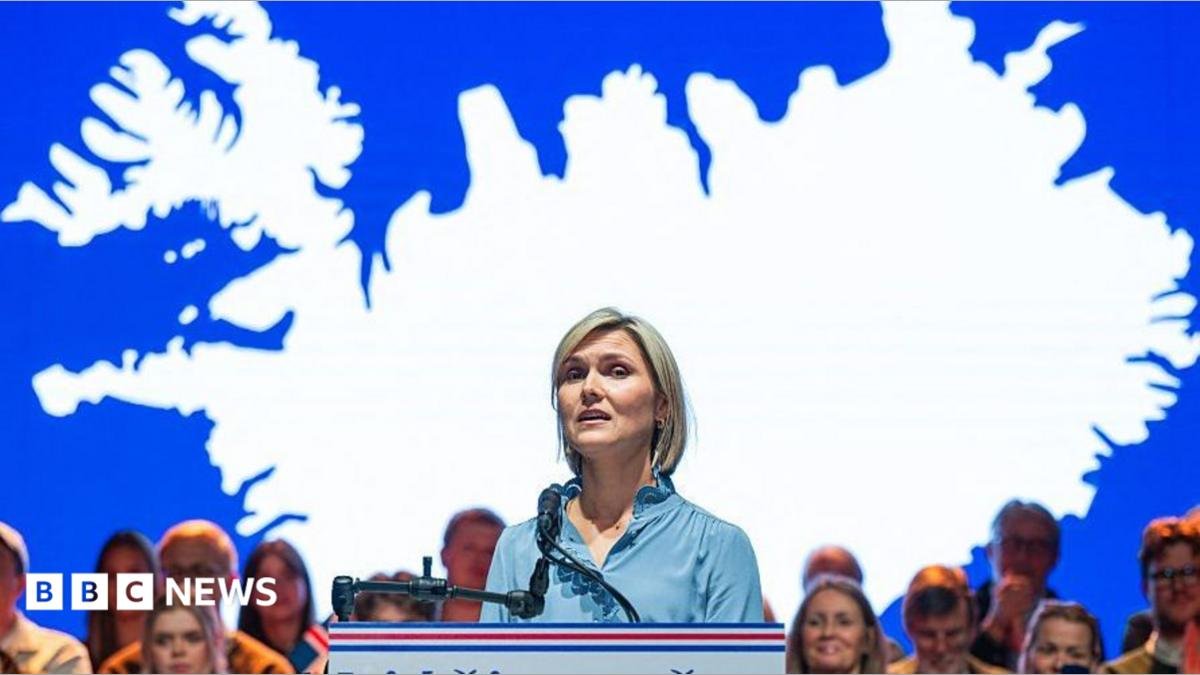
Iceland’s Relationship with the EU: A Balancing Act
Iceland, while not an EU member, is closely linked to Europe through the European Economic Area (EEA), alongside Norway and Liechtenstein. This connection allows Iceland to participate in the single market and benefit from the Schengen agreement that permits borderless travel. However, the complexities of EU accession talks, particularly related to the fishing industry, present significant challenges.
Historical Context of EU Accession Talks
Reykjavik initiated EU accession discussions two years post the 2008 global financial crisis but halted these talks in 2013. The primary sticking point has consistently been the fishing industry, a cornerstone of Iceland’s economy. Today, it remains a major hurdle in the path toward European integration.
The Fishing Industry: A Cultural and Economic Core
Fishing and marine-related industries contribute nearly 40% of Iceland’s exports. Many Icelanders, particularly those opposed to EU membership, express concerns that the EU’s common fisheries policy could lead to a loss of control over their prized fishing grounds. Guðrún Hafsteinsdóttir, the leader of the No campaign, firmly believes that sharing Iceland’s rich waters is unacceptable.
The Political Landscape
Fishing is not just an economic activity in Iceland; it’s deeply woven into the nation’s cultural fabric and political identity. According to Professor Bergmann, any politician who compromised on fishing rights would face serious backlash, potentially leading to their political exile from the country.
Government Strategies for Protection
In response to these concerns, Iceland’s government is looking to establish a “special arrangement” to safeguard both fishing and agriculture sectors. The finance minister is optimistic about securing some exemptions that would protect Icelandic interests, drawing on past successes where non-EU member Norway managed to negotiate similar conditions in 1994. Additionally, EU member states like Finland and Sweden were able to obtain particular terms for their agricultural needs in the northern regions.
Challenges Ahead
Despite the government’s optimism, skepticism persists among the public and interest groups. Margrét Ágústa Sigurðardóttir, the head of the Icelandic Farmers’ Association, questions the feasibility of any permanent opt-out provisions for Iceland. She argues that EU policies often prioritize the needs of a vast consumer base of 450 million over the unique circumstances of a smaller population of just 400,000.
Conclusion
Iceland’s journey towards potential EU membership is fraught with complexities, particularly in protecting its vital fishing industry. While the government remains hopeful for tailored arrangements, the public’s skepticism highlights the challenges that lie ahead in balancing national interests with European integration.
- Iceland is part of the EEA, allowing access to the single market and Schengen zone.
- EU accession talks were initiated after the 2008 financial crisis but stalled in 2013.
- The fishing industry is a significant barrier, contributing to 40% of exports.
- There is skepticism regarding the feasibility of securing special exemptions within EU policies.