

A Potential “Energy Ceasefire” Between Russia and Ukraine: What’s at Stake?
The ongoing conflict between Russia and Ukraine has seen new developments with the proposal of an “energy ceasefire.” Recently, Ukrainian President Volodymyr Zelenskyy expressed Kyiv’s readiness to consider a truce, highlighting the urgency of finding common ground. This comes as the effects of the war have significantly impacted energy prices globally, including rising diesel costs in the United States, an issue that resonates especially as midterm elections approach.
Discussions at the United Nations
President Donald Trump and President Zelenskyy engaged in a 40-minute conversation during the United Nations General Assembly in New York. Their talks focused on strategies to address the ongoing Russian invasion of Ukraine, which has now reached its fifth year. Zelenskyy stated that Ukraine is willing to halt attacks on Russian energy installations if Russia reciprocates and refrains from targeting Ukraine’s energy infrastructure. “If they don’t want us to attack their diesel and refineries, we are ready,” he said, emphasizing the condition for peace.
As hostilities persist, the viability of such a truce raises questions. Both nations have ramped up attacks on each other’s energy facilities, complicating the potential for a ceasefire.
Why Target Energy Facilities?
This year has seen Ukraine significantly increase its strikes on Russia’s oil sector, utilizing long-range drones to hit refineries and other critical sites. The objective is clear: disrupt Russia’s energy supply, a vital resource for financing its military efforts. Ukrainian strikes have reached as far as 3,000 km (about 1,865 miles) inside Russian territory, with recent attacks forcing major Russian refineries to halt operations.
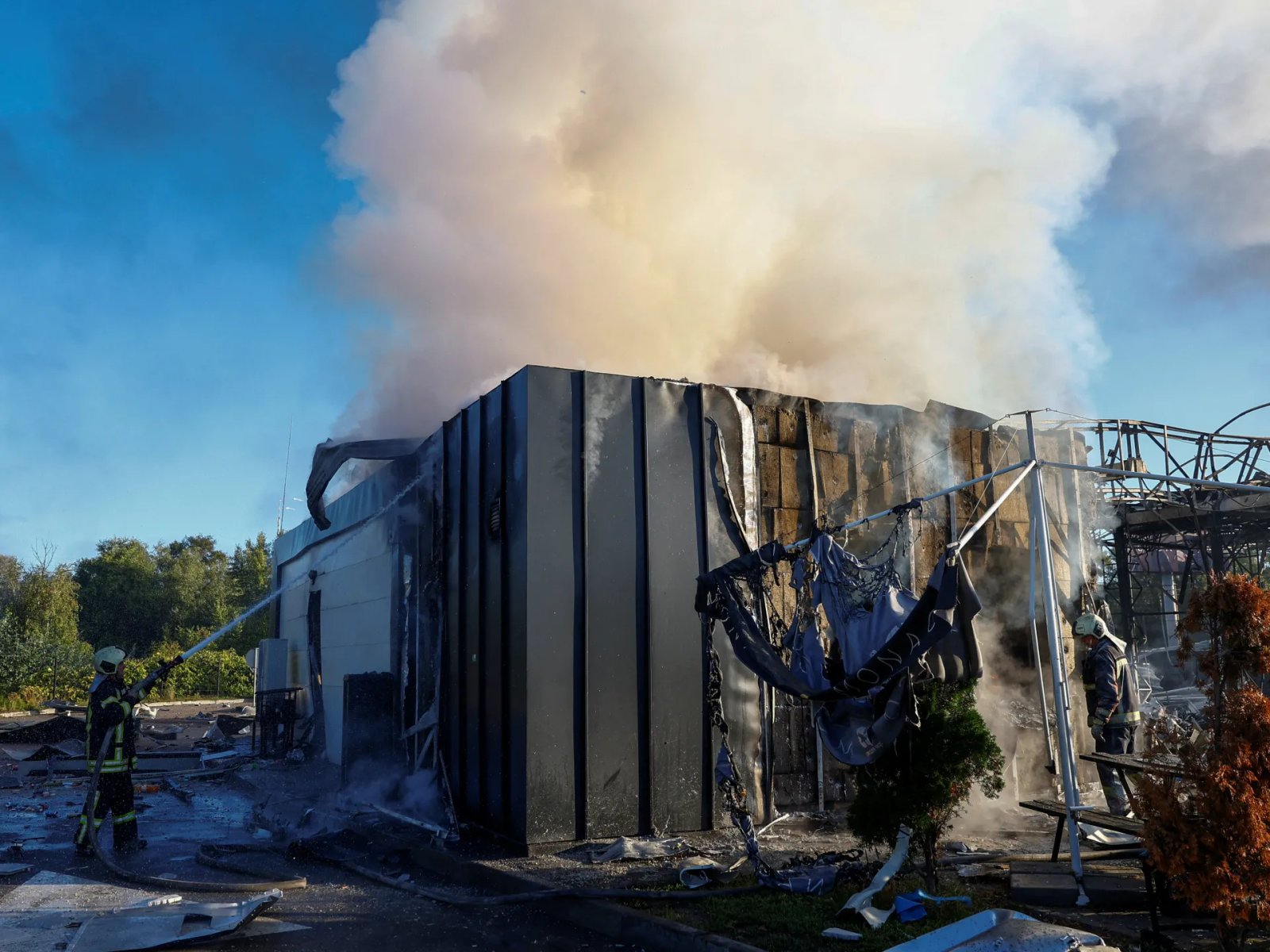
Conversely, Russia retaliated by launching drone strikes on fuel stations within Ukraine, leading to casualties and injuries. Amid these escalating attacks, Zelenskyy warned of looming, large-scale attacks from Russia.
What Would an Energy Ceasefire Entail?
An energy ceasefire would involve both countries agreeing to pause offensives against energy-related sites within each other’s borders. However, the specifics of how such an agreement could be structured remain ambiguous. The Kremlin has indicated support for the U.S.-proposed ceasefire while suggesting that it should also include curbs on Russian energy exports and sanctions.
While Zelenskyy affirmed a desire to stop the war before winter, he maintained that lifting sanctions against Russia is off the table until safety is guaranteed for Ukrainian citizens.
Trump’s Role in the Ceasefire Proposal
Trump’s interest in halting Ukraine’s strikes on Russian energy facilities is nuanced. He has expressed concerns over the damage to Russian fuel processing capabilities, suggesting it leads to soaring diesel prices worldwide. His calls for a ceasefire align with an attempt to ease the economic burden felt by voters as elections loom. Yet, his stance seems contradictory to his administration’s earlier approach to Russian energy sanctions.
While a ceasefire might lower fuel prices, it could inadvertently bolster Russia’s war economy, as energy sales continue to fund its military campaign in Ukraine. Analysts have criticized Trump for shifting focus away from holding Russia accountable, suggesting that any real resolution requires acknowledging Russia’s responsibility to cease aggressions.
Could a Ceasefire be Achieved?
Experts suggest that Trump’s influence over Ukraine’s military strategy is limited, and that any agreement may stem more from the mutual pressures faced by both nations rather than external mediation. As winter approaches, Ukrainian memories of past hardships are fresh, necessitating a review of their energy strategies. Meanwhile, Russia faces growing crises in its energy sector, intensifying the complexities of the ongoing war.
Challenges in Maintaining a Ceasefire
Despite ongoing discussions, there’s skepticism regarding the durability of any potential ceasefire. Historical precedents illustrate the difficulty both nations have had in maintaining peaceful agreements. Even after ceasefires were proposed, violence often resumed rapidly. Observers warn that without clear terms, independent verification, and strict definitions of violations, any truce could easily unravel.
What’s clear is that the stakes are high for both Ukraine and Russia as they navigate this volatile situation. The question remains: who holds the responsibility for ending the conflict?
- Ukrainian President Zelenskyy shows readiness for a potential energy ceasefire with Russia.
- Both countries have intensified strikes against each other’s energy facilities, complicating peace efforts.
- Trump’s proposal seeks to mitigate rising diesel prices amid looming U.S. elections.
- The feasibility and sustainability of an energy ceasefire remain uncertain, given historical precedents.