

Spain’s Challenges with Migration and Its Unique Territories
Spain faces significant challenges related to its historical territories of Ceuta and Melilla, nestled at the edge of North Africa. These towns, with roots that trace back to ancient Phoenician settlements, have been contentious points for Spain, especially in light of ongoing migration issues. As an outpost of the European Union along the Mediterranean, their strategic position shapes Spain’s relations with Morocco and highlights the complexities surrounding immigration policies.
The Historical Background of Ceuta and Melilla
Ceuta and Melilla have rich histories, having been part of the Arab realm before being acquired by Spain in the 16th century during the Christian reconquista of the Iberian Peninsula. Today, these two locales are not just historical sites; they represent the European Union’s southern frontier, bordered only by Morocco on the land side.
The Current Migration Dilemma
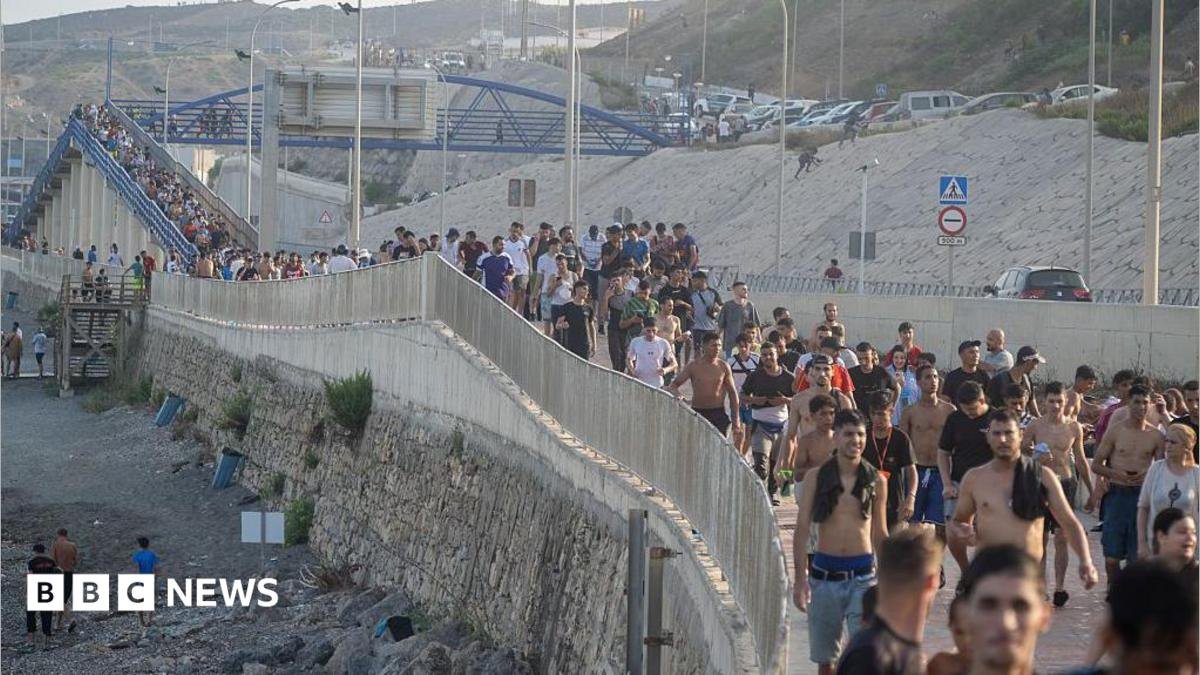
The recent surge of migrants arriving in Ceuta and Melilla poses both practical challenges and political headaches for Prime Minister Sánchez. The situation has prompted reactions from Spain’s mainstream conservative party, the Partido Popular, as well as the far-right Vox, who have used the event to critique the government’s immigration policies. Furthermore, other European nations, including Italy, have expressed concerns, even hinting at the possibility of questioning Spain’s membership in the Schengen Agreement.
Border Control Measures
Interestingly, despite the pressures from migration, Spain enforces strict border controls for flights and ferries traveling from Ceuta and Melilla to the mainland. This strategic approach helps manage who can access the wider Schengen region, showcasing the unique position these cities hold within European logistics and immigration policies.
Spain’s Immigration Strategy
Amidst these challenges, Sánchez has embraced a notably progressive stance on immigration, advocating for policies that are in contrast with many EU member states and the UK. His administration has actively promoted an “immigration positive” agenda and has even initiated a program to bring in temporary Senegalese workers to address labor shortages in Spain’s horticultural sector. This effort represents a significant shift that could influence long-term political and economic sustainability in the region.
Conclusion
The increasing migration issues in Ceuta and Melilla reflect broader tensions between Spain and its neighbors, as well as the competing narratives on immigration within Europe. How Spain navigates these waters will have lasting implications for its domestic policy and its standing within the EU.
- Ceuta and Melilla’s historical significance dates back to the Phoenician era.
- Recent migrant influxes are a source of concern for the Spanish government and other European nations.
- Spain maintains strict border controls for travel from these towns to the mainland.
- Prime Minister Sánchez’s progressive immigration approach stands in contrast to many EU countries.