

The Struggles of Migrant Minors in Ceuta
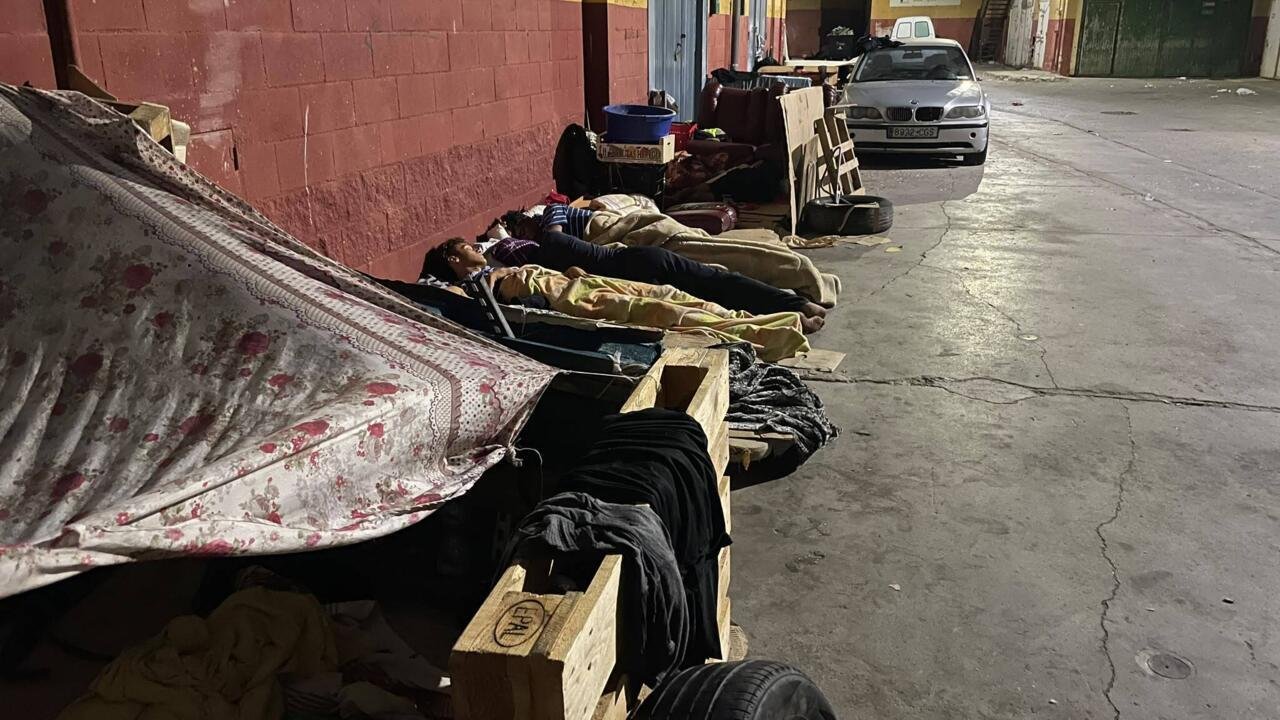
At 2 AM, a profound stillness envelops the Tarajal industrial area in Ceuta, a Spanish enclave in North Africa. The tranquility is intermittently broken by the flashing lights of police vehicles and the crashing waves nearby—a reminder of the dangers that many migrants face as they attempt to cross into Europe. Nearby, Moroccan minors are sleeping in makeshift shelters, uncertain of what tomorrow may bring. The metal gates of the industrial zone reveal a space that resembles an auto repair shop from the outside, but inside, it hosts hundreds of young migrants, including many who are unaccompanied and alone. Some rest on mattresses, while others have no choice but to sleep directly on the floor, sharing a few scarce blankets to protect against the night’s cold or the day’s heat.
In Search of a Brighter Future
The statistics illustrate the extent of the crisis: roughly 2,500 minors remain on the streets of Ceuta after a surge of over 70,000 migrants crossing from Morocco on July 30-31. Although many have chosen to return home in the days that followed, nearly 4,000 minors still remain, as reported by local NGOs. According to Save the Children, only about 1,500 of these minors are receiving support from child welfare services.
“We are here in search of a better future,” insists Reda, a 17-year-old who left school where he was preparing for his graduation and pursuing a football tryout, driven out by living conditions that compelled him to leave everything behind. “Returning to Morocco is not an option for us,” he adds with determination, despite the hardships he faces. Reda expresses hope that Europe will not overlook their plight.
A Life Marked by Violence
Despite having successfully crossed the treacherous sea, many young migrants find little safety upon reaching Ceuta. Khaled shares a harrowing story of an encounter with a group of local youths who assaulted him and his friends, brandishing firearms and trying to rob them. Several fellow migrants sustained injuries severe enough to require hospitalization.
“My friend was killed right before my eyes; I will never forget that scene for the rest of my life,” Reda recalls, mourning the loss of a close companion who was fatally injured during the assault. “His dream vanished in an instant.”
Manal’s Gripping Tale
Nearby, another young migrant, 16-year-old Manal, shares her own traumatic experiences. She traveled on foot from Tangier to Tetouan with a group of sub-Saharan migrants and faced a terrifying ordeal in Ceuta when they were attacked by armed youths. “We hid in the sewers as they shot at us. If I hadn’t hidden, I’d be dead by now,” she reflects on that distressing night, which still preys on her mind.
“I feel like life has closed its doors on me. I have neither ambition nor a future,” she says, speaking of a challenging childhood that saw her living with her grandmother and lacking paternal support.
The Nightmares of Everyday Life
Yet, Manal still holds onto a modest aspiration: to uplift her mother from poverty. However, her experience in a center for migrant minors only led her to flee due to violence, forcing her to spend nights outdoors.
While speaking with Manal, another young individual, Mohammed, shares his own daily struggles in the Tarajal warehouses. “We don’t have any toilets, so we’re forced to relieve ourselves near the sea. Even to wash ourselves, we have to use seawater,” the 16-year-old from Larache explains.
Food assistance from a local NGO is available, but only once a day, leaving many of the children without adequate nourishment. The ill conditions are evident, as some minors are coping with untreated injuries from the journey and are suffering from scabies, desperately trying to find relief.
Uncertain Futures Ahead
As dawn approaches, the plight of these minors intensifies. Early each morning, they line up outside the police station, hoping for a chance to enter the protection system. However, lengthy queues stretch before them as officials grapple with the overwhelming number of requests. Currently, about 1,400 minors have been registered.
Authorities from both Morocco and Spain are aiming to prioritize family reunification and repatriate the minors, but this process is complex. Each case must undergo individual assessment, ensuring that legal protections and the minors’ best interests are prioritized as they transition through a vulnerable stage of life.
Conclusion
Caught between their hopes for a new life and the grim realities of their circumstances, these young migrants in Ceuta find themselves in a heartbreaking limbo. As night falls, they return to their makeshift shelters, dreaming of the future while grappling with an oppressive present.
Key Takeaways:
- Approximately 2,500 minors are on the streets of Ceuta after a mass migration from Morocco.
- Many young migrants face violence and exploitation amidst their struggles.
- The journey to safety remains fraught with challenges as they await assistance.
- Hope for a better future drives these minors, even as they contend with harsh realities.