

Barclays Bank Faces Complaint Over Links to Controversial Coal Power Project
Barclays Bank is currently under scrutiny as a formal complaint has been lodged regarding its financial ties to a coal-fired power station located near the Sundarbans. This area is recognized as the world’s largest mangrove forest and is critical to the livelihoods of millions of residents in Bangladesh and India.
Concerns Raised Over Environmental Impact
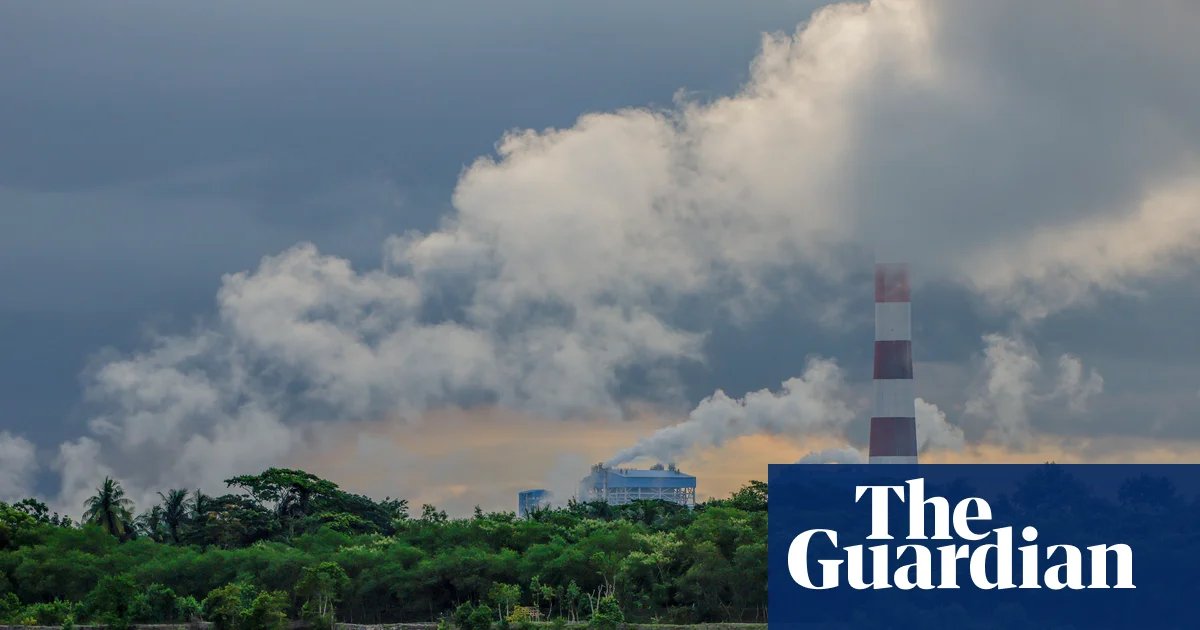
A group of three complainants from the Sundarbans region has initiated a case with the UK government’s Office for Responsible Business Conduct. They assert that Barclays has violated international guidelines by financially supporting companies involved in the emission-heavy Maitree Super Thermal Power Project, commonly referred to as the Rampal power plant.
This coal-fired facility is positioned near the Sundarbans, a UNESCO World Heritage Site comprised of over 100 islands within a river delta that sustains numerous biodiversity, including the endangered Bengal tiger.
Local Voices Against Industrial Pollution
Sharif Jamil, an environmental advocate from Dhaka and one of the complainants, pointed out that heavy metal pollution tied to the plant and adjacent industrial activities is infiltrating the Sundarbans’ waterways, thereby threatening the ecosystem. “The Rampal power plant sits adjacent to the Pasur River, which is vital for the health of the Sundarbans,” he remarked. “The forest’s well-being is at stake.”
Research conducted last November detected alarming levels of mercury and arsenic in water samples from the Sundarbans, with particularly high concentrations in the Pasur River. According to scientists, industrial discharge and port operations are significant contributors to this heavy-metal contamination, making the Rampal site a notable environmental threat due to its emissions and increased shipping activity.
Community Concerns
The Sundarbans supports the lives of millions of inhabitants, many of whom rely on the area’s rivers and forests for their sustenance and various resources. The complainants believe Barclays failed to perform adequate due diligence regarding the environmental and human rights implications before extending financial services to those associated with the project.
Barclays has reportedly underwritten debt from India’s NTPC Ltd, one of the joint venture partners in the Rampal project. Moreover, it financed bond issues for the Export-Import Bank of India between 2016 and 2019, which contributed a loan to the Rampal initiative.
According to the claimants, the emissions from this power station may further exacerbate global warming, leading to increasing sea levels and severe weather conditions in an area already vulnerable to the impacts of climate change. Mangrove forests are important natural defenses against cyclones and extreme weather events.
Ongoing Opposition and Calls for Action
The Rampal project has faced significant opposition since its early planning stages, with UNESCO voicing concerns in a 2016 report, which warned of a high likelihood that “air and water pollution could irreversibly damage the World Heritage property.” Many financial institutions have opted not to participate in the funding of the project due to its potential environmental and social repercussions.
Jamil emphasized that Barclays, given its global prominence, holds a responsibility to consider the consequences of its financial actions. “Larger reputations carry greater responsibilities towards the planet and its inhabitants,” he stated. He urges that Barclays and similar institutions re-evaluate their policies and explore ways to protect the environment from climate devastation.
He also advocated for banks to shift more investment towards renewable energy sources instead of relying on imported fossil fuels, stating, “Given that Bangladesh enjoys sunlight year-round, it would be illogical to expand fossil fuel usage when we can harness renewable energy.”
Legal Support and Next Steps
The other individuals partaking in this complaint are Animesh Mandal, a local farmer and politician, alongside the Dakshinbanga Matsyajibi Forum, which represents fishermen’s interests in West Bengal. They are receiving support from students and attorneys at King’s Human Rights and Environment Clinic, a part of King’s College London.
Sue Willman, a solicitor from the clinic, remarked, “Communities in the Sundarbans are on the front lines of both the climate and ecological crises. We hope to convince banks and financial institutions to reconsider financing oil and coal projects contributing to these issues.”
The Office for Responsible Business Conduct is set to review whether it will accept the complaint.
Both Barclays Bank and the Bangladesh India Friendship Power Company Ltd, which oversees the Maitree Super Thermal Power Project, have chosen not to comment on the matter.
- Barclays Bank is facing allegations of breaching international guidelines linked to a coal power project near the Sundarbans.
- Local communities claim environmental pollution from the Rampal power plant threatens their livelihoods.
- The project has drawn significant opposition, with calls for more investment in renewable energy.
- The complaint will be assessed by the UK government’s Office for Responsible Business Conduct.