

Russia’s Victory Day Parade: Changes and Implications
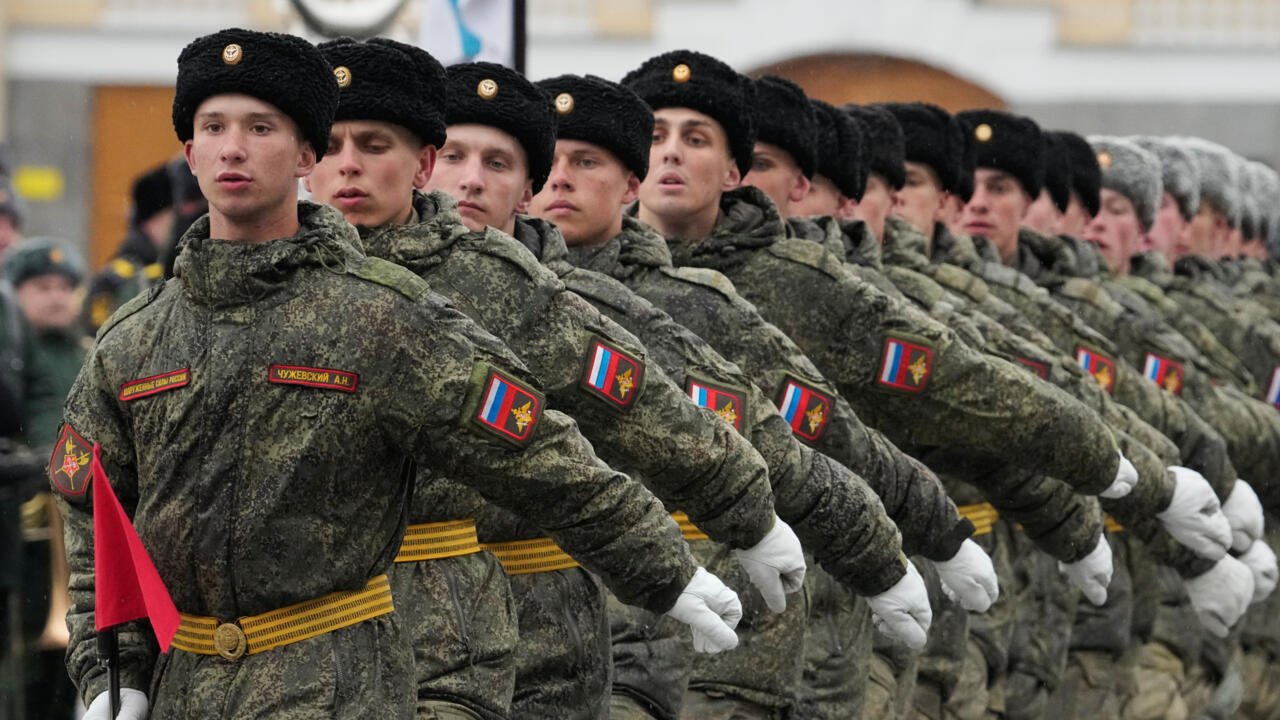
Next week, Russia will commemorate the defeat of Nazi Germany in World War II with a significant change to its traditional parade. For the first time in nearly 20 years—and during the ongoing conflict in Ukraine—the festivities will not feature tanks, missiles, or other military equipment. This decision marks a notable shift in a celebration that has long served as a display of national pride and military might.
Overview of the Parade
The Victory Day parade, held annually on May 9, is the most important secular holiday in Russia. This year’s event will primarily involve servicemen from military educational institutions and select branches of the Armed Forces, accompanied by a ceremonial flyover of military aircraft. Typically, the parade showcases an array of military equipment and personnel, an aspect that has been a hallmark since 2008.
Reasons Behind the Change
The Russian Defence Ministry cited the “current operational situation” as the primary reason for omitting military hardware from this year’s parade. Moreover, recent drone attacks launched by Ukraine, striking deep into Russian territory, have raised security concerns. Although specifics were not disclosed, Kremlin spokesman Dmitry Peskov linked these attacks to accusations of “terrorist activity” aimed at destabilizing Russia.
Historical Context and Significance
World War II remains a unifying point in Russia’s complex historical narrative. The nation lost an estimated 27 million people during what it terms the Great Patriotic War (1941-1945), a tragedy that resonates deeply within the collective memory of the country. President Vladimir Putin has increasingly tied the observance of Victory Day to his administration, using it to justify contemporary military actions, including those in Ukraine.
The Impact on National Pride
Experts suggest that the lack of military hardware in this year’s parade may weaken the event’s propaganda value, especially for domestic audiences. Natia Seskuria, an associate fellow with the Royal United Services Institute, pointed out that this omission could reflect a sense of vulnerability rather than strength. The absence of tanks and other military assets reduces a potent symbol of Russian power and prestige.
Recent Developments
In prior years, Victory Day parades have featured impressive displays of military might, including advanced tanks and fighter jets. Last year’s event, which came after Russia’s military intervention in Ukraine, attracted global leaders and showcased over 11,500 troops alongside more than 180 military vehicles.
Comparative Analysis
In contrast, the 2023 parade will be significantly scaled down, with fewer troops, a reduced display of military equipment, and no aerial displays. Historical parades date back to 1945, evolving throughout the Soviet era and resuming annually since 1995 after the USSR’s dissolution.
Conclusion
This year’s Victory Day parade represents not just a change in format but also an indication of the shifting dynamics within Russia and its military posture. As the country continues to navigate its ongoing conflict with Ukraine, the decision to forego military displays may reflect deeper security concerns and a reevaluation of national strength.
Key Takeaways
- This year’s Victory Day parade will not feature military equipment for the first time in nearly two decades.
- The decision is attributed to the current security situation due to Ukraine’s ongoing drone attacks.
- The event holds significant historical value, symbolizing Russia’s pride and military heritage.
- Omitting military displays may indicate a shift in national confidence and security strategy.