

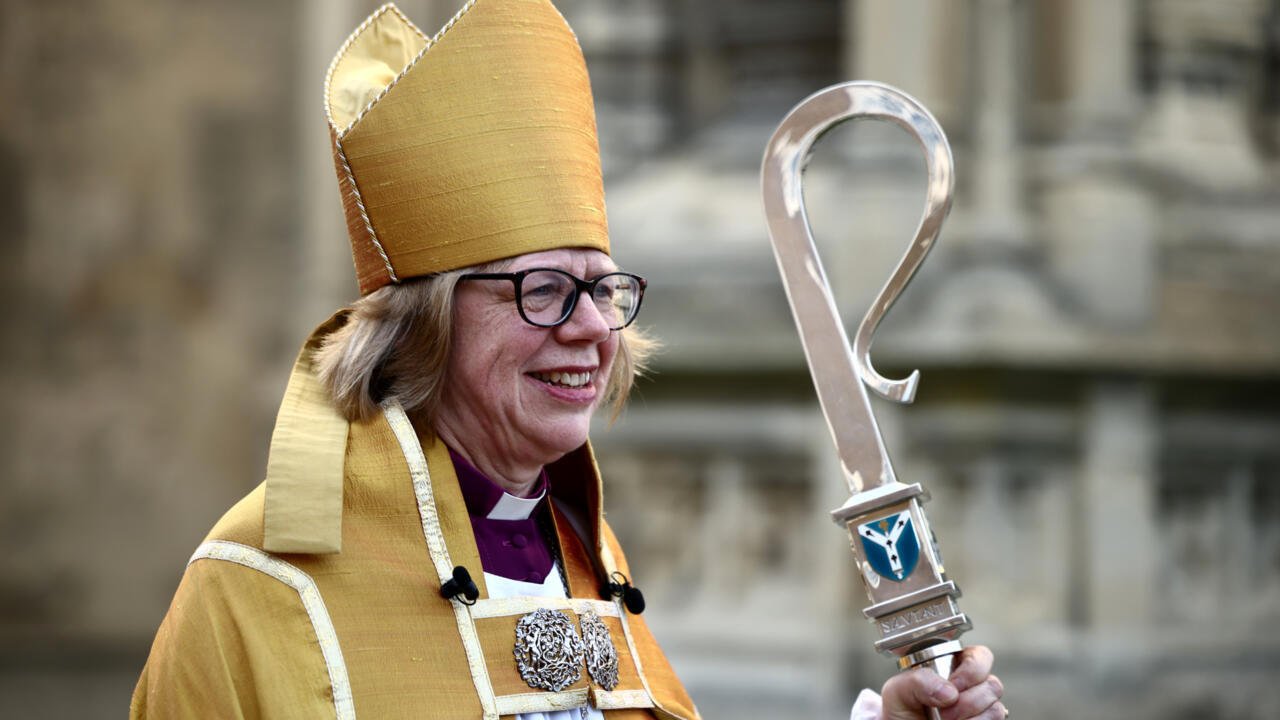
Sarah Mullally: A New Era for the Anglican Church
In a historic moment for the Anglican Church, Sarah Mullally has made headlines as the first woman to be appointed Archbishop of Canterbury. This landmark achievement is set against the backdrop of increasing dialogue between Anglicanism and Catholicism, marking a significant turning point within these long-established faiths.
First Female Archbishop of Canterbury
Appointed in March, Mullally’s new role as primate means she leads the global Anglican community, which comprises approximately 85 million members worldwide. This weekend, she will embark on a four-day visit to meet the Pope, an encounter that echoes a significant meeting from 1966 between then-Archbishop Michael Ramsey and Pope Paul VI. That meeting was the first of its kind since the Church of England’s formation in the 16th century, highlighting a pivotal moment in Christian history.
Significance of the Meeting
The groundwork laid for improved relations between the two churches has indeed matured, despite some notable disagreements. In particular, the ordination of women has been a contentious issue. Mullally’s visit is particularly poignant given the ongoing discussions surrounding women’s roles within the church.
Background of Sarah Mullally
At 63 years old, Mullally, a former oncology nurse who is married and a mother of two, is a figure of change and inspiration. Her appointment follows the first female Anglican bishops in the U.S. in 1989, with women being ordained in the Church of England since 2014. Balancing tradition with innovation, Mullally’s rise challenges longstanding norms within both Anglicanism and Catholicism.
Perspective on Women’s Roles
The Catholic Church has consistently opposed the idea of female priests, contrasting sharply with the Anglican Church’s evolving stance. Advocates for women’s rights in the religious sphere see Mullally’s visit to the Pope as an opportunity for progress. As Sylvaine Landrivon from the Magdala feminist association expresses, “If a female archbishop comes to see him, it might give Pope Leo XIV pause for thought.” The message is clear: women in the Church have equal capabilities as men.
Current Challenges Facing Both Churches
The upcoming meeting also comes on the heels of King Charles III’s historic prayer with the Pope, emphasizing a collaborative Christian community. Bishop Anthony Ball, Mullally’s representative to the Holy See, believes the meeting will strengthen personal and institutional ties between the churches.
Both Mullally and Pope Leo face shared challenges, such as immigration, poverty, and environmental concerns, as well as the fallout from clerical abuse scandals that have shaken their communities. With Mullally’s predecessor, Justin Welby, stepping down over issues related to abuse handling, the spotlight is on her leadership and the support she can garner.
Unity and Division
While Mullally’s appointment has been a source of division, particularly among conservative factions within the Anglican Communion, Ball anticipates a respectful dialogue between her and the Pope. He predicts that Mullally won’t lobby for women’s roles in the Catholic Church during this meeting, as she has enough on her plate with the challenges facing her own denomination.
A Mutual Listening Approach
Both Mullally and Pope Leo are characterized as “careful listeners,” aiming to discern how to move forward in meaningful ways for their congregations. As they navigate the complexities of their respective faiths, their focus remains on fostering understanding amid divergent views within their communities.
Conclusion
Sarah Mullally’s role as the first female Archbishop of Canterbury represents a transformative chapter not just for the Anglican Church, but for interfaith dialogue as a whole. With her upcoming meeting with Pope Leo XIV, the potential for a reconciled Christian community is on the horizon, showcasing the ability of faith leaders to adapt to modern challenges.
Key Takeaways
- Sarah Mullally’s appointment marks a milestone as the first female Archbishop of Canterbury.
- Her visit to the Pope symbolizes ongoing dialogue between Anglicanism and Catholicism.
- Women’s roles in the church remain a topic of significant discussion and division.
- Both churches face contemporary challenges that require collaborative responses.