

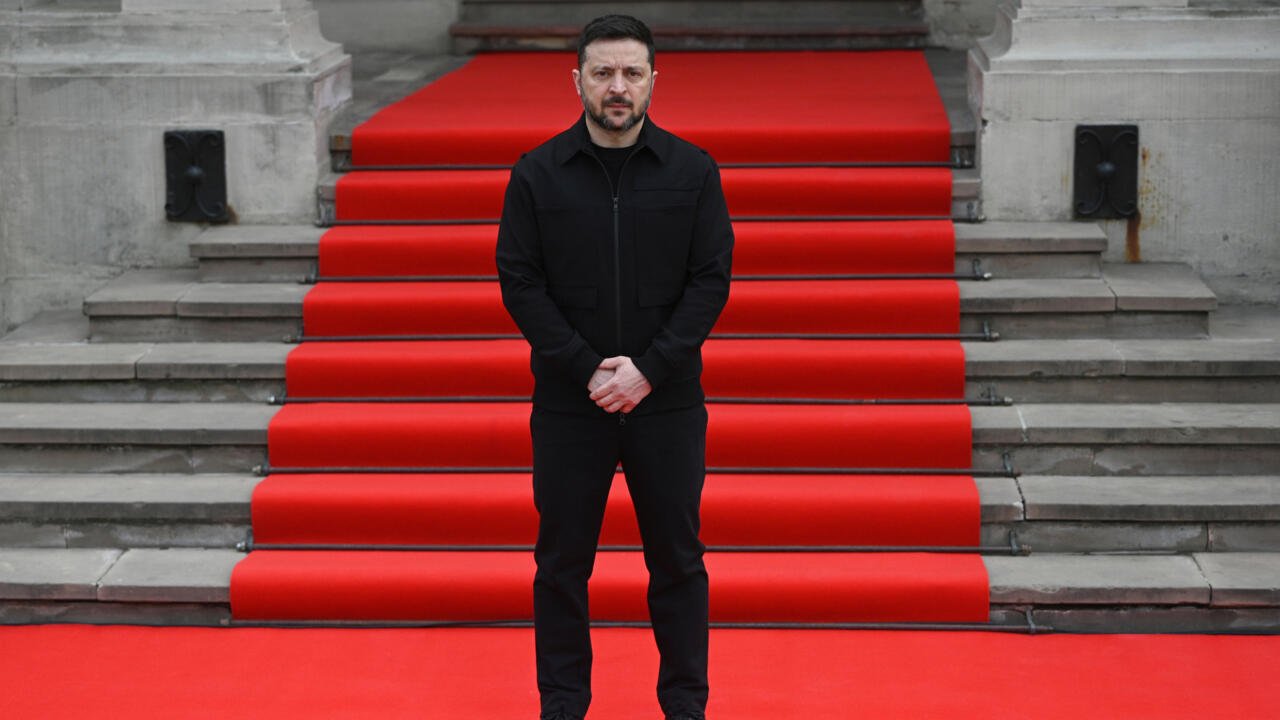
EU Leaders to Meet Zelensky Amid Loan Agreement
On Thursday, EU leaders are set to host Ukrainian President Volodymyr Zelensky in Cyprus, marking a significant moment as they announce a crucial 90 billion euro loan for Kyiv after a lengthy impasse. Preliminary approval for this essential funding was granted on Wednesday, with final confirmation expected before the discussions commence in Ayia Napa marina.
Resolution of a Stalemate
The funds had been stalled due to a dispute between Hungary’s Prime Minister, Viktor Orban, and Zelensky. Orban had insisted that he would only remove his veto once Ukraine repaired a pipeline that had been damaged by a Russian attack. Recently, Orban faced a major political setback, losing to pro-EU opposition leader Peter Magyar in this month’s elections.
The deadlock was broken when Zelensky announced on Tuesday that the necessary repairs were complete. Following this, it was reported that Ukraine had resumed pumping oil to Hungary and Slovakia, a crucial step toward finalizing the aid.
Looking Ahead in Cyprus
EU officials are optimistic that negotiations regarding Ukraine will proceed more smoothly without Orban’s opposition in the future. One diplomat highlighted the significance of Zelensky’s visit, noting that the released funds are vital for supporting Ukraine in its ongoing conflict with Russia through 2026 and 2027.
Orban, although still in office until next month, will not attend the meetings taking place in Cyprus. These discussions are expected to be informal, with no significant resolutions anticipated at this stage.
Beyond Ukraine
The agenda in Cyprus will not solely focus on Ukraine; EU leaders will also address the ongoing conflict in the Middle East and its consequences, such as soaring energy prices. Cyprus itself became embroiled in the regional turmoil following a drone strike on a British military base on the island in March.
On Friday, the leaders will engage in what has been described as an “intensive dialogue” with counterparts from the region, including Lebanese President Joseph Aoun, Egyptian President Abdel Fattah al-Sisi, and Jordanian Crown Prince Hussein bin Abdullah. They will particularly discuss the ceasefire in Lebanon, where over 2,400 lives have been lost due to ongoing Israeli strikes since Hezbollah’s involvement in the war began on March 2.
European Concerns
One pressing issue for European leaders is the situation around the Strait of Hormuz, whose potential closure has led to skyrocketing oil prices and impacted jet fuel availability in the region. Officials have signaled a willingness to ensure the strait remains open, contingent upon the prevailing circumstances, and expressed hope that the ceasefire can be maintained.
Future Budget Discussions
Another crucial topic on the agenda is the EU budget plan for 2028-2034. This will be the first opportunity for leaders to discuss the budget, with aspirations to reach a conclusive agreement by the end of 2026. The EU’s executive branch is advocating for a larger budget of around two trillion euros, however, individual governments are hesitant to increase their financial contributions, especially in the wake of ongoing energy crises and past Covid-related expenditures.
French and German officials are famously divided on budget matters—France is pushing for higher investment, while Germany advocates for more financial caution. Time is of the essence, as European leaders express concern that failing to reach a budget agreement before next year’s French presidential elections could open the door for a far-right candidate to call for reduced contributions from France, the EU’s second-largest economy.
Conclusion
As EU leaders convene with President Zelensky, the discussions surrounding financial support for Ukraine and broader regional issues highlight the ongoing challenges facing Europe. The outcomes of these meetings may have significant implications for both immediate and long-term stability in the region.
Key Takeaways
- EU leaders, including Zelensky, will meet to finalize a significant loan for Ukraine.
- The loan’s previous delay resulted from disputes involving Hungary’s Prime Minister Orban.
- Discussions will extend beyond Ukraine to include Middle East conflicts and future EU budget plans.
- Leaders face time-sensitive decisions that could impact EU financial contributions ahead of elections.