

Bulgaria’s Political Landscape After Rumen Radev’s Election Victory
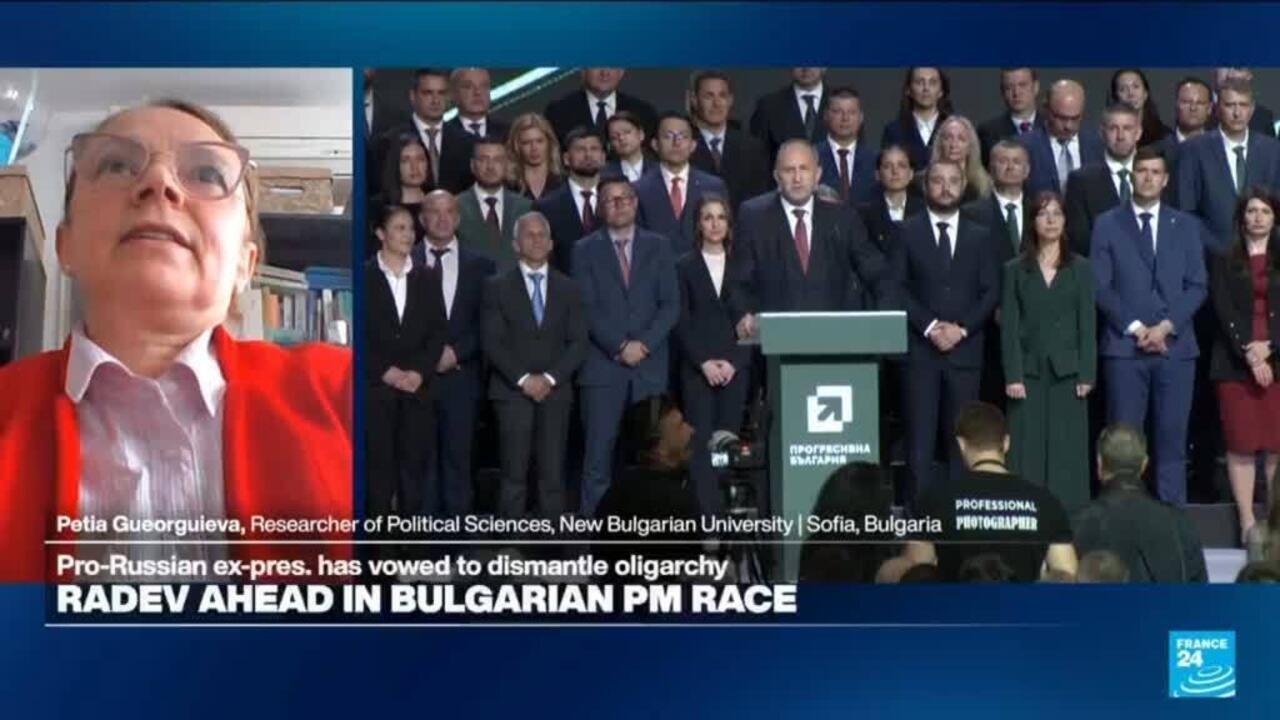
In the wake of Rumen Radev’s recent victory in Bulgaria’s general election, there are significant implications for the country’s domestic stability and geopolitical standing. In a conversation with Dr. Petia Gueorguieva, a Lecturer in the Department of Political Science at New Bulgarian University in Sofia, we explore how this election outcome is a reflection of the nation’s political instability, economic challenges, and changing international relations.
The New Political Coalition
Dr. Gueorguieva emphasizes that Radev’s success in bringing together a diverse coalition of voters is telling. He has united pro-reform advocates with groups that are more Eurosceptic and economically vulnerable. This diverse electoral base highlights a widespread desire for institutional reform coupled with a hesitance regarding European integration, which has been heightened following Bulgaria’s recent adoption of the euro.
Geopolitical Implications
While Bulgaria is firmly rooted within the frameworks of the European Union and NATO, Dr. Gueorguieva posits that this political shift may lead to a more pragmatic foreign policy. Such an approach could prioritize national interests, possibly re-engaging with Russia while still adhering to formal commitments to European structures.
Understanding the Voter Base
- Pro-Reform Citizens: Individuals advocating for systemic changes in governance.
- Eurosceptics: Voters wary of deeper integration with the EU.
- Economically Vulnerable Groups: Communities affected by recent economic challenges.
This coalition not only reflects a complex political reality but also underscores the ambivalence many Bulgarians feel towards the European Union and international alliances.
Looking Ahead
As Bulgaria navigates this new political terrain, the hope is for a balanced approach to governance that respects the interests of different voter groups while maintaining its commitments to international partnerships. The coming months will be crucial in determining how these dynamics play out in domestic policy and foreign relations.
Conclusion
Rumen Radev’s election victory signifies more than just a political change; it marks a turning point in Bulgaria’s approach to both domestic and international issues. By consolidating a heterogeneous voter base, there is a clear indication of a desire for reform and greater consideration of Bulgaria’s national interests.
Key Takeaways:
- Rumen Radev’s win reflects broader political and economic challenges in Bulgaria.
- His coalition unites pro-reform supporters with Eurosceptics and economically vulnerable groups.
- A pragmatic foreign policy may emerge, balancing European commitments with national interests.
- The political landscape in Bulgaria is shifting towards greater ambivalence regarding EU integration.