

Latest Developments in Middle Eastern Negotiations
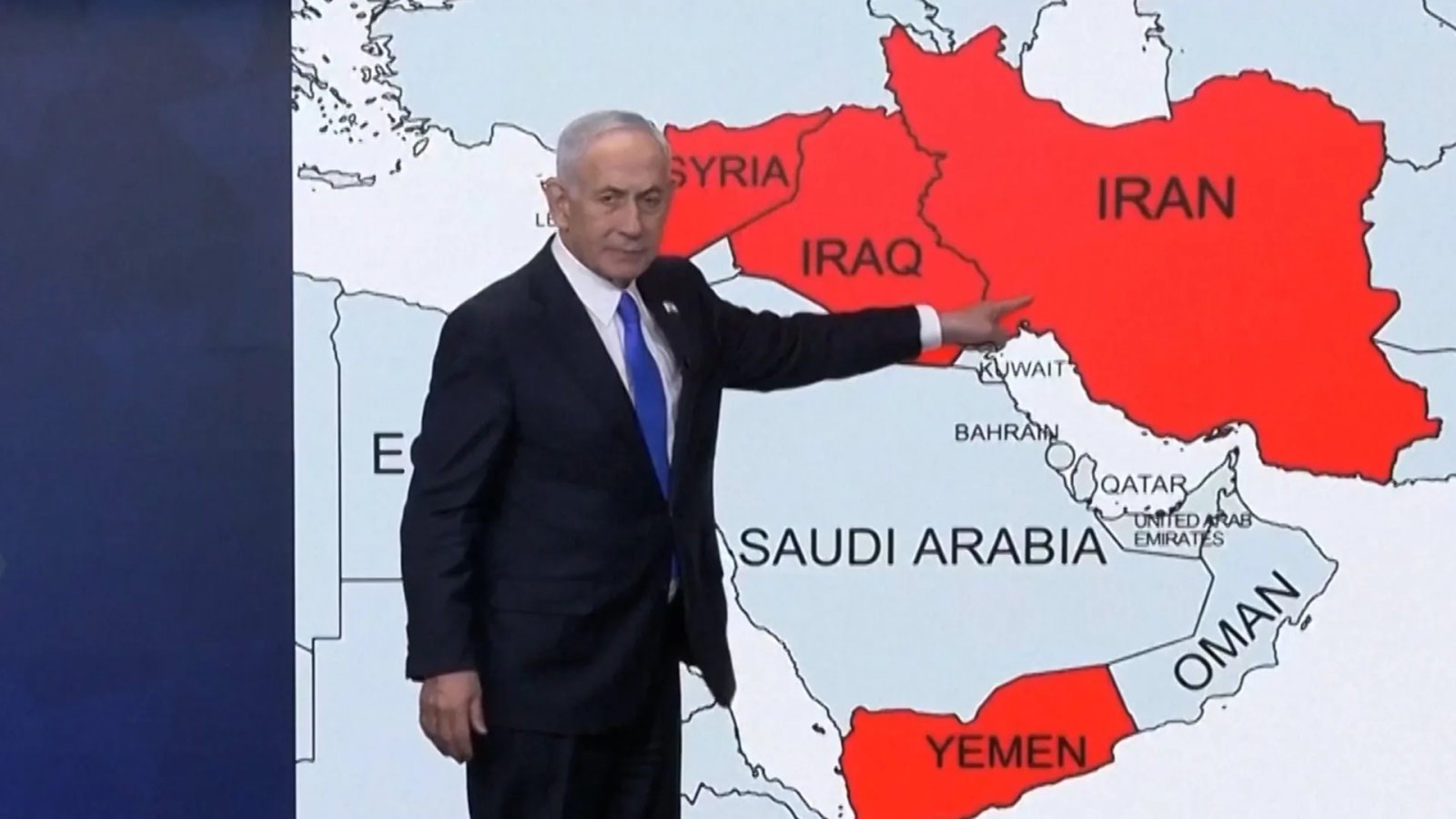
In a recent update from the Middle East, Israeli Prime Minister Benjamin Netanyahu took to the podium, standing before a map that illustrated the region’s complexities. He boldly stated that six nations once aimed to “strangle us,” but instead, he asserted, “we strangled them… and we have more to do.” This strong rhetoric highlights the ongoing tensions and political maneuvers within the area.
Upcoming Talks in Washington DC
On Tuesday, diplomats from Israel and Lebanon are set to engage in discussions in Washington DC. However, the nature of these talks seems to be shrouded in uncertainty, as both nations’ ambassadors have provided conflicting statements about the agenda. This discrepancy raises questions about the underlying motives and expectations from these discussions.
The Political Landscape
The Middle East continues to be a focal point of international diplomacy, with various nations vying for influence and power. Netanyahu’s comments reflect a deep-rooted sentiment that underscores the ongoing conflicts and the necessity for strategic engagement.
Key Points from the Talks
- Israeli Prime Minister Netanyahu’s remarks indicate a steadfast stance on national security.
- Ambassadors from Israel and Lebanon are preparing for talks amid conflicting statements.
- The situation encapsulates the broader geopolitical dynamics in the Middle East.
Conclusion
As discussions between Israel and Lebanon approach, the climate remains charged with tension. Netanyahu’s comments serve as a reminder of the fragile balance in the region, while the conflicting statements from the ambassadors leave much room for speculation about the outcomes of their talks.
Key Takeaways
- Netanyahu’s strong declarations reflect ongoing regional tensions.
- Upcoming talks in Washington may be complicated by conflicting diplomatic messages.
- The Middle Eastern geopolitical landscape remains complex and dynamic.