

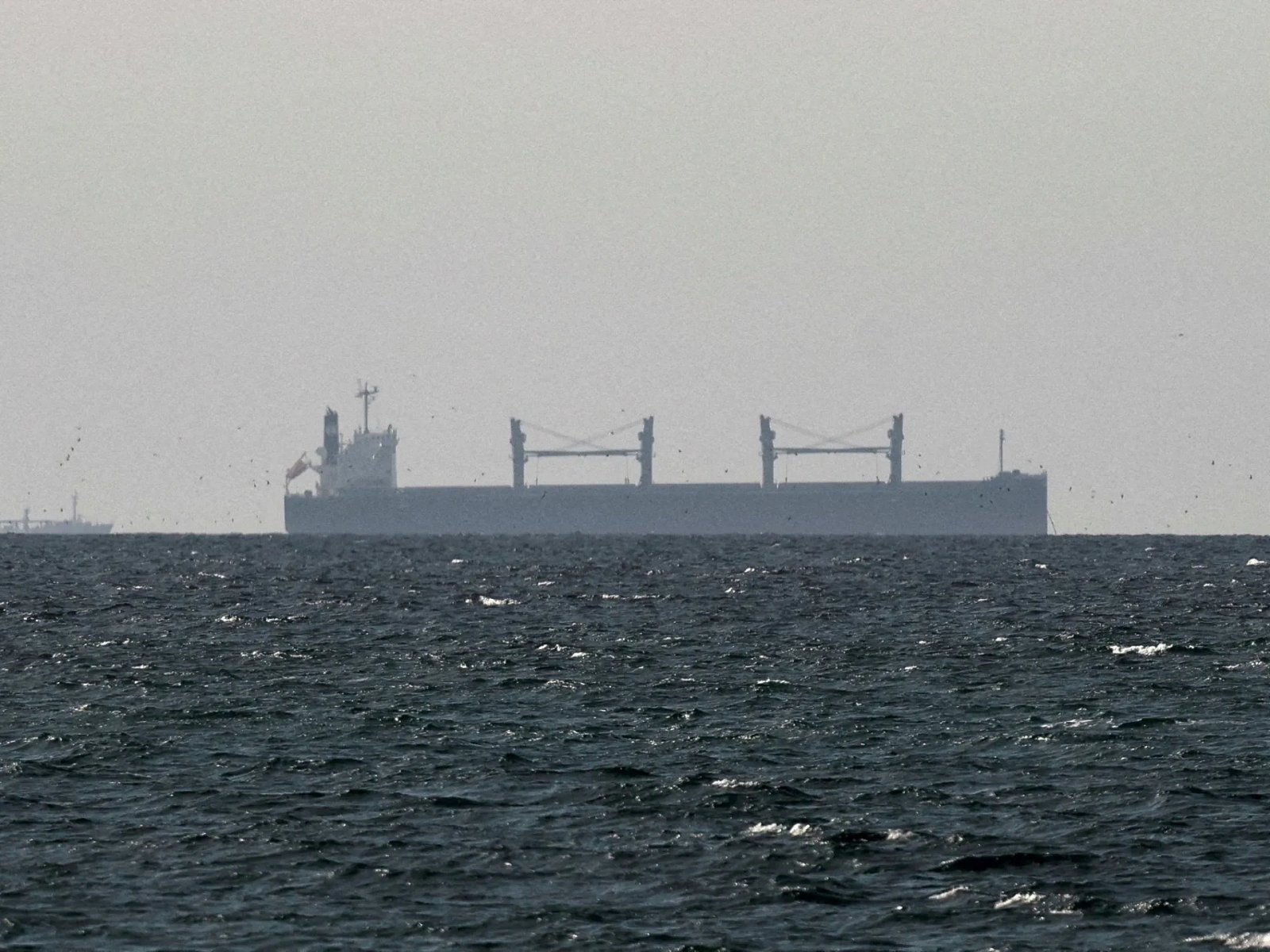
Iran Lifts Restrictions on Iraqi Ships in the Strait of Hormuz
In a significant development, Iran has declared that Iraq will no longer face any restrictions in navigating the Strait of Hormuz. This decision marks a notable easing of Tehran’s grip on this vital route that plays a crucial role in the global energy supply chain.
The Announcement and Its Context
According to a statement released by Iran’s Khatam al-Anbiya Central Headquarters, Iraq is exempt from all limitations within the strait, with restrictions applying solely to what they term “enemy countries.” The military command emphasized their respect for Iraqi sovereignty, declaring, “We hold profound respect for Iraq’s national sovereignty. You are a nation that bears the scars of American occupation, and your struggle against the US is worthy of praise and admiration.”
This announcement arises amidst increased tensions, especially following US President Donald Trump’s reiterated threats for Iran to negotiate or risk escalating consequences. Trump had publicly warned on social media, suggesting dire repercussions would occur within 48 hours should Iran refuse to cooperate.
Iran’s Stance Against US Pressure
In response to Trump’s demands, Iran’s Khatam al-Anbiya Central Headquarters dismissed his threats as “helpless, nervous, unbalanced and stupid.” As the conflict escalated following military actions by the US and Israel on February 28, Iran effectively blocked the strait, which typically facilitates approximately one-fifth of the world’s oil and liquefied natural gas supply.
Recently, while maritime movements through the strait have seen a slight uptick, they remain dramatically low, over 90% down from normal traffic levels. According to ship tracking data, there were 53 vessels that transited the strait last week, marking the highest number since the onset of the conflict, up from 36 the week prior. Notably, a French container ship and a Japanese-owned tanker successfully crossed the strait on Friday, highlighting a rare resumption of trade activities for these nations during the ongoing hostilities.
Global Energy Market Impacts
The disruption of shipping through the Strait of Hormuz has had serious repercussions for global energy markets, leading to rising fuel prices and prompting many countries to implement emergency energy conservation measures. Recently, Brent crude oil prices have lingered above $109 per barrel, with analysts cautioning that costs could skyrocket further if the strait remains blocked.
Iraq’s oil sector, which is pivotal for the nation’s economy, has been particularly impacted. The Ministry of Oil reported a significant drop in production, down to 1.2 million barrels per day from a previous 4.3 million, as crude export capacity continues to dwindle amidst the strains caused by the conflict.
Iraq was previously one of the world’s top oil producers, ranking sixth globally in 2023, contributing around 4% to overall global supply, according to the US Energy Information Administration.
Conclusion
The easing of restrictions for Iraqi maritime traffic signifies a complicated geopolitical landscape in the region. While it may provide a breath of fresh air for Iraq amidst ongoing tensions, the overarching implications for global energy supply remain a pressing concern.
- Iran has lifted restrictions on Iraqi ships in the Strait of Hormuz.
- The move reflects Iran’s respect for Iraqi sovereignty amidst ongoing US-Iran tensions.
- The global oil market is experiencing disruption due to the conflict, with rising prices.
- Iraq’s oil production has significantly declined due to blocked exports.