

Impact of Tariffs on Pharmaceutical Pricing in the US
The recent announcement by the US President regarding tariffs on pharmaceutical drugs has created a wave of discussion and uncertainty within the healthcare and pharmaceutical sectors. This article delves into the details of the executive order aimed at regulating drug prices through tariffs and its potential implications.
Overview of the Executive Order
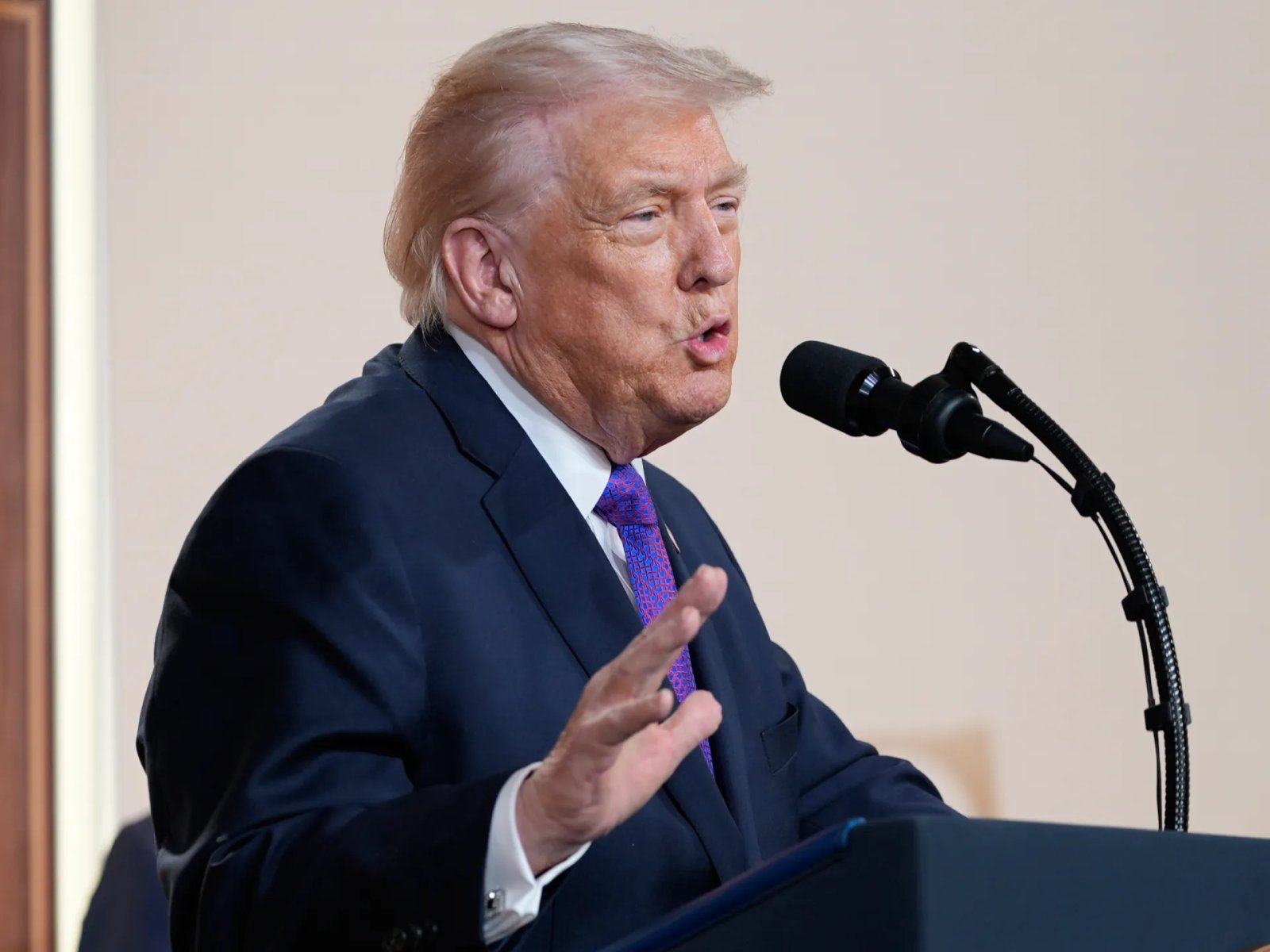
On April 2, 2026, President Donald Trump signed an executive order that threatens to impose tariffs of up to 100% on certain patented drugs unless pharmaceutical companies negotiate favorable pricing agreements with the government within a specified timeframe. This initiative is part of a broader strategy to address concerns surrounding drug pricing and national security, linked to the import of pharmaceuticals and their ingredients.
Tariff Structure Explained
The executive order outlines a tiered tariff system:
- Companies that have accepted a “most favoured nation” pricing deal and are in the process of establishing facilities in the US will benefit from a zero-percent tariff.
- For those companies that do not have a pricing agreement but are undertaking similar projects in the US, an initial tariff of 20% will apply, escalating to 100% over four years.
Timeframe for Negotiations
A senior administration official noted that pharmaceutical companies have several months to finalize their negotiations before facing the steep tariffs. Larger companies will have 120 days, while others will have a total of 180 days to negotiate.
Government’s Rationale
In the executive order, President Trump stated that the implementation of these tariffs is necessary to address potential threats to national security posed by the reliance on imported pharmaceuticals. This step coincides with the anniversary of the “Liberation Day,” a date marking the introduction of comprehensive import taxes that significantly impacted the stock market.
Industry Reactions
Responses from pharmaceutical leaders and medical organizations have been predominantly critical. Stephen J. Ubl, CEO of the pharmaceutical trade group PhRMA, expressed concerns that these taxes on innovative medicines could lead to increased costs and hinder billions in investments within the US. He emphasized America’s strong position in biopharmaceutical manufacturing and pointed out that many medicines come from reliable allies abroad.
Broader Context of Tariff Policies
Since the onset of his second term, President Trump has introduced numerous import taxes on trading partners while concurrently pursuing negotiations with major pharmaceutical companies, such as Pfizer and Eli Lilly, resulting in commitments to reduce drug prices.
International Trade Agreements
In addition to individual company agreements, several countries have established trade frameworks with the US to mitigate tariffs on drugs. For instance:
- The European Union, Japan, Korea, and Switzerland will face a 15% US tariff rate on patented pharmaceuticals, aligning with existing agreements for most goods.
- The United Kingdom will initially have a 10% tariff, which is projected to drop to zero in future trade agreements.
The UK has secured a zero-percent tariff rate for all British medicines exported to the US for a minimum duration of three years, further highlighting the ongoing adjustments in international trade relations.
Conclusion
As the pharmaceutical industry navigates this new landscape shaped by potential tariffs, the implications for drug pricing and availability remain to be seen. Ongoing negotiations and international agreements will play a critical role in determining the ultimate impact of these measures.
Key Takeaways
- The US government may impose tariffs of up to 100% on patented drugs unless companies negotiate pricing agreements.
- Tariffs vary based on whether companies have a pricing deal and are establishing US facilities.
- Pharmaceutical leaders express concerns about rising costs and investments due to these tariffs.
- International trade agreements may help mitigate some of the effects of these tariffs on foreign-made drugs.