

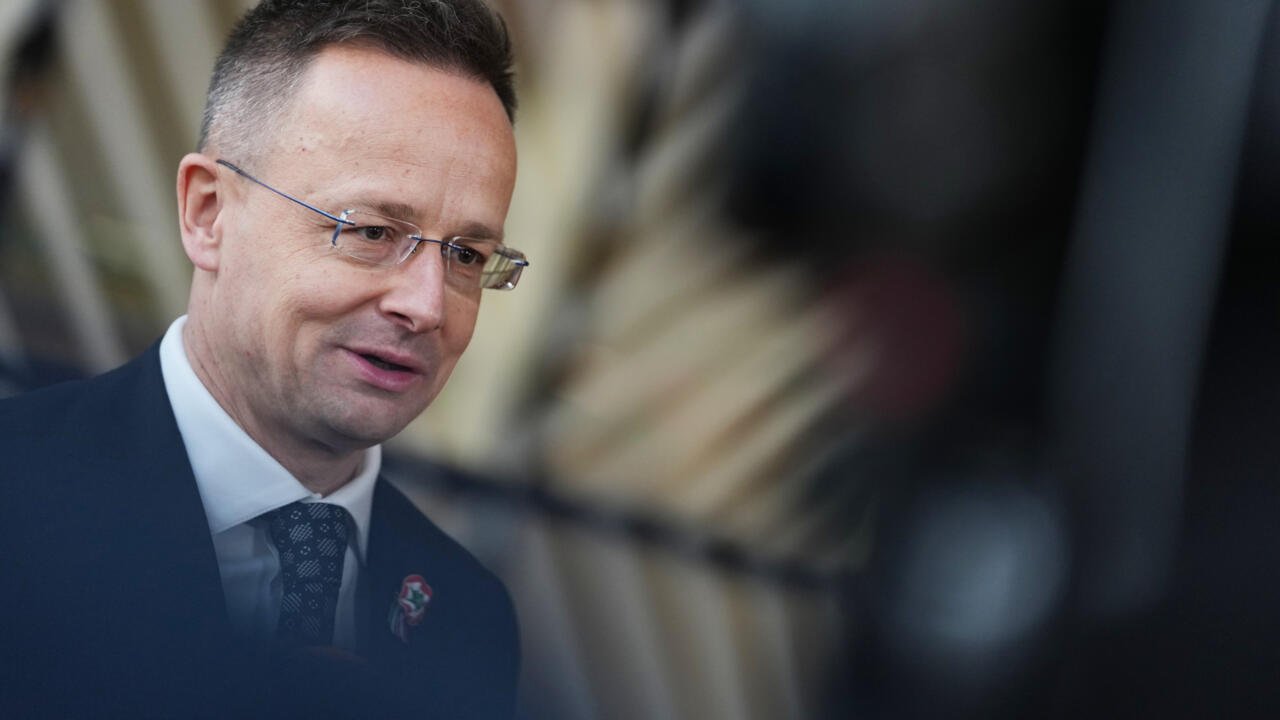
Hungarian Foreign Minister Condemns Allegations of Foreign Interference
In a recent development, Hungarian Foreign Minister Peter Szijjarto has vehemently criticized what he deems “foreign interference” in Hungary’s upcoming election campaign. His comments follow the release of investigative reports suggesting that he may have shared sensitive information with Russia, raising significant concerns ahead of the parliamentary elections.
Claims of Espionage and Scandal
On Tuesday, Szijjarto labeled the allegations a “very big scandal.” He expressed outrage over what he described as the interception of his phone calls by foreign intelligence agencies, which were made public just a week and a half before elections, purportedly to serve the interests of Ukraine. This revelation was shared through a post on his Facebook account.
Investigative Findings
A consortium of Eastern European media outlets, including The Insider, VSquare, and Delfi, published findings claiming that Szijjarto had granted Moscow “direct-line” access to vital information regarding crucial issues. The investigation included leaked recordings and transcripts of phone conversations. Notably, in one of these calls, Szijjarto allegedly assured Russian Foreign Minister Sergei Lavrov, saying, “I am at your service.”
Responses from Ukrainian Officials
Reacting to the situation, Ukraine’s Foreign Minister Andriy Sybiga stated that the conversations in question were not mere discussions but obsequious exchanges that reflect a subservient attitude toward Russian authorities. He called the situation “disgusting” and a “disgrace,” adding that it warrants thorough investigation.
Political Context Ahead of Elections
These allegations against Szijjarto, who is a close ally of Prime Minister Viktor Orban, emerge as Orban faces a challenging election on April 12. The pro-Russian nationalist leader is seeking to secure a fifth consecutive term, despite accusations of betraying European Union partners and allowing Russian influence to permeate Hungarian politics.
Opposition Reactions
Péter Magyar, a prominent opposition figure and the leading candidate aiming to dethrone Orban, suggested that the allegations against Szijjarto might constitute treason, potentially meriting life imprisonment. In his remarks at a forum, he asserted, “It is now evident that Peter Szijjarto, the ‘errand boy’ for Sergei Lavrov, is not defending Hungarian or European interests but instead is reporting directly to the Russian leadership through secure communication. According to the Hungarian Criminal Code, this amounts to treason, punishable by life behind bars.”
Conclusion
The allegations against Peter Szijjarto represent a serious political crisis for Hungary, raising questions about the integrity of its foreign policy and the implications of potential Russian influence on its government. As the elections approach, these developments could significantly impact the political landscape in Hungary.
Key Takeaways
- Peter Szijjarto condemned allegations of foreign interference prior to Hungary’s elections.
- Investigative reports indicate he may have shared vital information with Russia.
- Opposition figures label the actions as treason, calling for accountability.
- The political climate is tense as Prime Minister Orban seeks re-election amid scrutiny.