

Escalating Conflict: Yemen’s Houthis Target Israel
The recent attacks by Yemen’s Houthis on Israel mark a significant escalation in a conflict that has already led to devastating humanitarian consequences. This new front opens up as tensions rise due to ongoing military actions involving the United States and Israel against Iran, exacerbating a situation that has already displaced millions and taken countless lives.
The Houthi Attacks
On Saturday, the Houthis launched their first missile and drone strikes on Israel within a 24-hour period. While the Israeli military confirmed that they intercepted these attacks, the Iran-backed group vowed to persist in supporting what they term the “resistance fronts” across Palestine, Lebanon, Iraq, and Iran.
Historical Context
Previously, the Houthis had refrained from direct involvement in the current conflict, a stark contrast to their active response during Israel’s aggressive campaign in Gaza, which at one point threatened significant maritime trade in the Red Sea.
Strategic Location and Intentions
As they engage in this conflict, the Houthis aim to disrupt Israeli trade routes and challenge its economic stability. Highlighting their strategy, Al Jazeera’s Yousef Mawry noted that the Houthis view the Bab al-Mandeb Strait as a crucial advantage in their operations against Israel.
US and Israeli Military Actions
Meanwhile, ongoing military operations by the US and Israel continue to intensify. Following statements from US Secretary of State Marco Rubio regarding an impending conclusion of military actions against Iran, fresh deployments of US Marines have been reported. These steps are seen as preparations to maintain flexibility in U.S. strategy.
Casualties and Damage
Recent strikes have resulted in substantial loss of life, with at least 1,937 individuals reported killed in Iran since the escalation began, alongside widespread destruction of civilian properties. Reports indicate that the Iranian Red Crescent Society has marked extensive damage, impacting more than 93,000 structures.
Impact on Lebanon
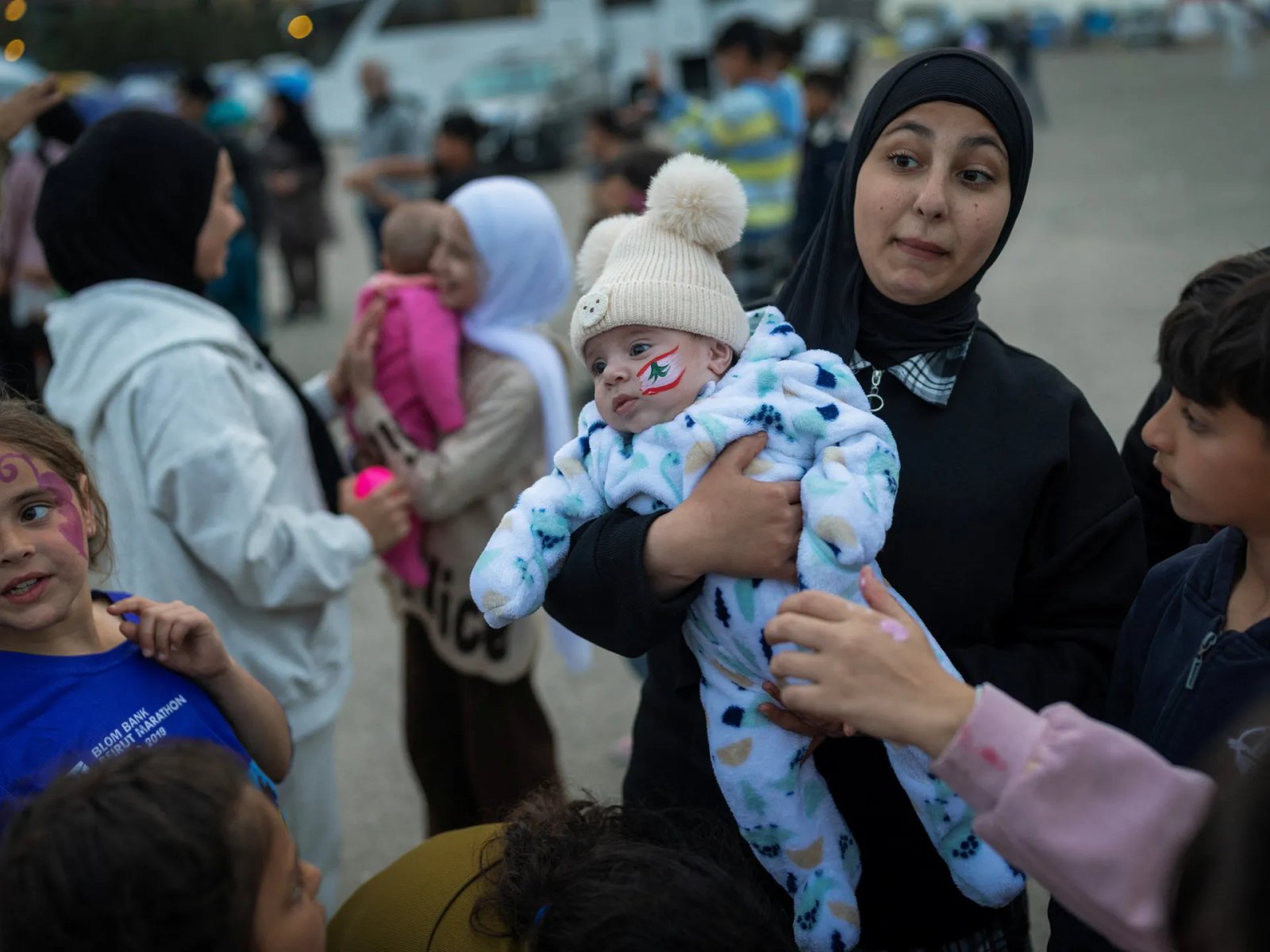
The violence has also heavily affected Lebanon, with recent figures showing 1,189 fatalities from Israeli attacks since early March. As Israeli forces advance toward strategic locations in southern Lebanon, the mounting casualties include journalists and healthcare workers, drawing international condemnation.
Hezbollah’s Role
Hezbollah has launched counterattacks against Israeli targets amidst a backdrop of escalating conflicts. Their operations against Israeli forces have coincided with Israeli actions seen as retaliatory to the ongoing tensions in the region.
Diplomatic Efforts and Future Implications
In the context of rising tensions, US President Trump has issued threats aimed at Iranian energy infrastructure, while also extending deadlines for diplomatic talks. The upcoming midterm elections add another layer of complexity to the ongoing conflict, hindering effective resolutions.
Regional Mediation
Pakistan is stepping up its role as a mediator in this crisis, facilitating discussions among regional powers aimed at reducing hostilities and restoring peace. The country’s Foreign Minister recently reiterated a commitment to supporting stabilization efforts in the region.
Conclusion
The events unfolding in Yemen and their implications for the broader Middle East underline the urgent need for diplomatic resolutions to prevent further escalation. The humanitarian crises that have emerged underscore the grievous toll of prolonged conflict on civilian lives.
Key Takeaways
- Yemen’s Houthis launched missile attacks on Israel, signaling a new phase in regional tensions.
- The US and Israeli military operations are intensifying, raising concerns over humanitarian impacts.
- Lebanon is also facing significant casualties due to ongoing hostilities amid Israeli military actions.
- Regional diplomacy is essential to de-escalate conflicts and restore stability in the area.