

Accelerating Europe’s Energy Independence: The Call for Action
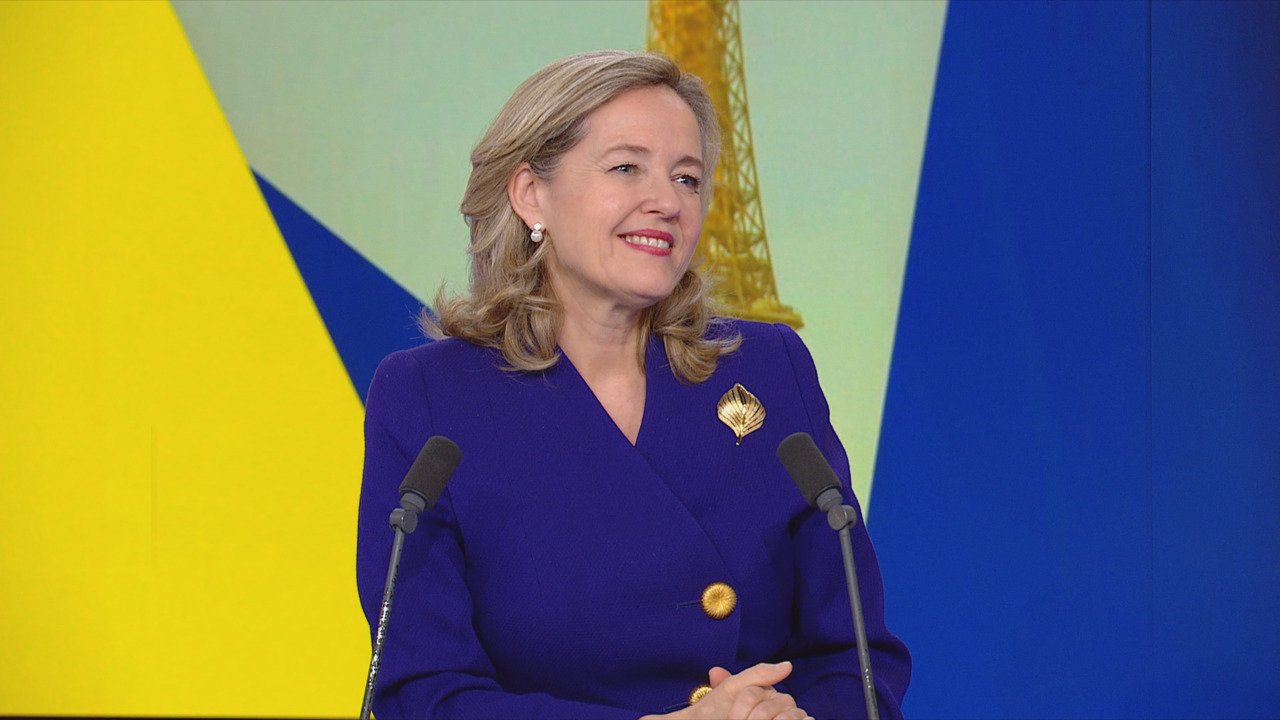
As Europe navigates a turbulent global landscape, the need for energy independence is becoming increasingly urgent. Nadia Calviño, president of the European Investment Bank (EIB), emphasizes the importance of reducing reliance on fossil fuels. In a recent conversation with FRANCE 24, she shared insights on how strategic initiatives can foster a more self-sufficient and assertive Europe.
The Need for Strategic Transformation
Calviño, who previously served as Spain’s deputy prime minister under Pedro Sanchez, has been recognized as one of Europe’s leading influencers by Politico. At the helm of one of the world’s largest public lenders, she is overseeing an ambitious funding goal of €100 billion for this year. With issues such as defense, security, and technological sovereignty rising to prominence, Calviño advocates for a green transition. “We need to continue on this track… so that we can become more independent and have a stronger voice in this new world,” she noted.
Shifting Priorities for the EIB
The EIB is adapting to the changing global context. Although the bank previously emphasized its role away from defense, Calviño acknowledges the growing need for support in security and defense sectors, particularly in dual-use technologies. Funding for these initiatives has approximately doubled in the past two years, and she hinted that targets may be revised upward due to increasing demand.
Housing Crisis: A Domestic Challenge
In addition to geopolitical concerns, Calviño highlights a significant domestic challenge: Europe’s housing crisis. Since 2015, housing prices have skyrocketed by about 60%, with rents also climbing and availability dwindling. “We’ve had a perfect storm since the pandemic,” she remarked. To combat this, the EIB plans to allocate €6 billion this year towards housing projects that prioritize cost-effective construction methods, renovation efforts, and new developments aimed at relieving pressure on households and younger generations.
The Role of the EIB in Ukraine’s Recovery
Since the onset of Russia’s full-scale invasion, the EIB has stepped up as a crucial financial partner for Ukraine, mobilizing €4 billion to aid in rebuilding infrastructure, supporting local businesses, and stabilizing the economy. Calviño expressed optimism about Ukraine’s future, stating, “I am quite confident that the Ukrainian economy is going to bounce back very strongly once the war is over,” attributing this to the resilience of its citizens and collaborative efforts with Kyiv.
EU’s Position in a Fragmented World
Calviño also addressed the implications of US trade tensions, particularly those during Donald Trump’s presidency. She argued that tariffs have adversely affected American businesses more than European counterparts, citing the robust global trade agreements that benefit EU firms. In her view, Europe possesses the necessary tools and scale to assert itself as a global economic powerhouse, should it choose to do so.
Conclusion
As Europe faces a range of challenges, from energy dependence to housing affordability, swift action and strategic investments are paramount. Nadia Calviño’s insights reflect a pivotal moment for the continent, emphasizing the importance of unity and proactive measures to safeguard its future.
- Energy independence is crucial for Europe amidst global uncertainties.
- The EIB is prioritizing funding for security and defense-related projects.
- The housing crisis poses significant challenges, prompting new investments.
- Ukraine’s recovery efforts are being bolstered by substantial EIB support.