

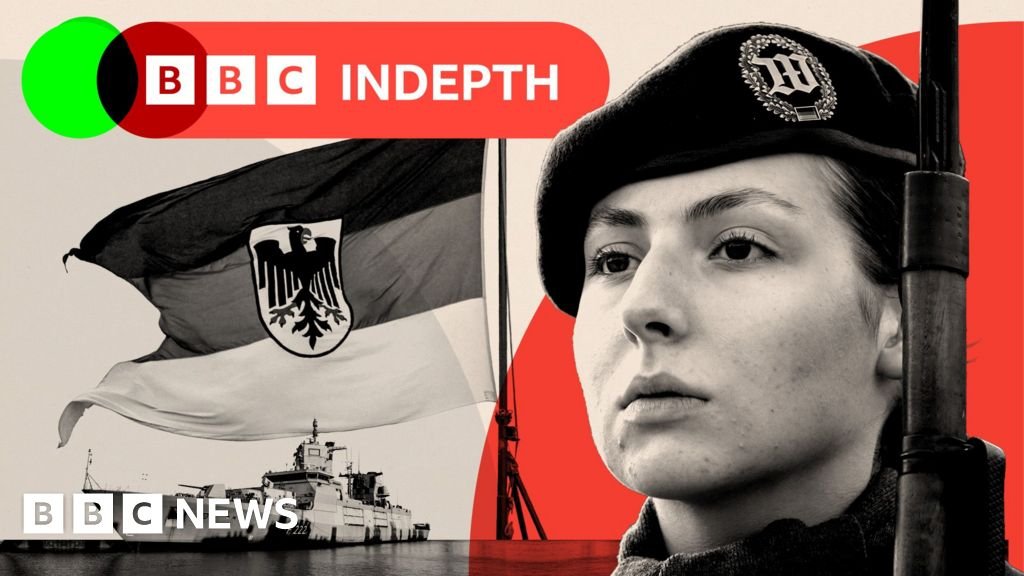
The Challenges of German National Identity Amidst Global Turmoil
In a world increasingly defined by geopolitical strife, Germany’s unique position presents distinct challenges. Unlike the British and the French, who can draw on their national flags and historical identities, modern-day Germany is navigating a complex landscape shaped by its post-war history. This article delves into how Germany’s fresh start following World War II leads to a different sense of national identity, especially in light of current conflicts to the east and the shifting dynamics with their long-time ally to the west.
The National Identity Distinction
For Germans, the aftermath of the war was not just a matter of geopolitical repositioning; it was about reinventing themselves. The endeavor was rooted in establishing a rules-based international order, albeit one that was far from perfect. This foundational approach to foreign policy highlights the unique challenges Germany faces in fostering a strong national identity that resonates in today’s global context.
The Comfort of Flag and History
For many nations, a shared history and symbols such as a national flag can provide unity and strength. The British and French populations have this anchor, allowing them to rally around their identities during times of uncertainty. In contrast, post-war Germany sought to move away from its past, complicating its ability to cultivate a robust national narrative that citizens can collectively embrace.
Geo-Political Implications
As tensions rise in regions surrounding Germany, the challenge of maintaining a cohesive national identity becomes more profound. The ongoing conflict to the east impacts not only Germany’s foreign relations but also its internal unity. Meanwhile, the shift in roles with their ally to the west leaves anxiety and uncertainty about who can be relied upon moving forward.
Conclusion
In summary, the intersection of national identity, historical context, and geopolitical dynamics creates a tumultuous landscape for Germany to navigate. Unlike its British and French counterparts, Germany’s quest for a renewed identity amidst a shifting global order presents significant challenges. Understanding this complexity is crucial as we observe the evolution of a nation grappling with its past while forging its path in an uncertain future.
Key Takeaways
- Germany’s post-war identity is grappling with a fresh start, lacking the historical symbols of unity found in other nations.
- The country’s commitment to a rules-based international order complicates its national narrative.
- Geopolitical conflicts to the east and shifting alliances to the west pose unique challenges for national cohesion.
- Understanding these dynamics is essential for appreciating Germany’s evolving role on the global stage.