

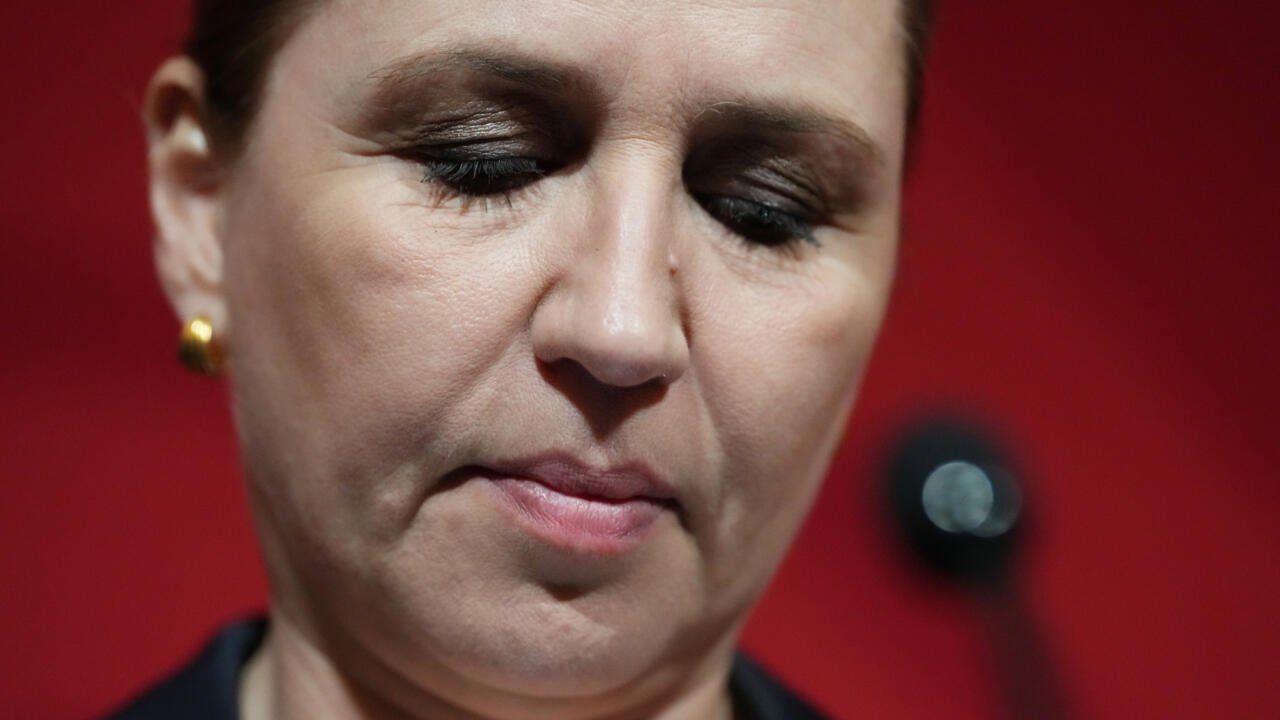
Danish Election Results: Mette Frederiksen’s Social Democrats Face Major Setback
In a significant political shift, Danish Prime Minister Mette Frederiksen’s Social Democrats are poised for their worst electoral performance in over a century. As migration and welfare issues dominated the political landscape, the party’s assertive approach toward the United States concerning Greenland failed to coalesce support. Having been in office since 2019, Frederiksen, now 48, has marketed her leadership capabilities as essential for navigating relationships with world powers amid escalating international tensions.
Election Outcomes and Implications
On Tuesday, projections indicated that Frederiksen’s Social Democrats are likely to secure only 38 seats in the Folketing, Denmark’s parliament, a sharp decline from 50 seats four years ago. Despite this setback, Frederiksen remains optimistic about her chances of forming a coalition government. “I’m ready to take on the responsibility,” she told supporters at the parliament in Copenhagen during a late-night address. “It will be difficult.” The complexities of coalition negotiations might extend for weeks.
While Frederiksen downplayed her party’s diminishing appeal, she acknowledged the adverse circumstances they’ve faced. “We’ve had to deal with war and threats from the American president, and over nearly seven years, a 4 percentage point drop isn’t the worst,” she commented. Projections indicate her left-leaning coalition could secure around 84 seats, compared to the 77 likely to be won by right-leaning factions, based on comprehensive vote counts.
Public Sentiment and Political Tensions
However, frustration among her left-wing supporters regarding stringent immigration policies has been palpable, while critics on the right view her economic strategies as unreliable. “She’s caught between a rock and a hard place because the numbers are not in her favor,” noted Andreas Thyrring, a partner at a public affairs advisory firm.
Frederiksen has earned respect in Brussels for her steadfast stance on Greenland and for increasing Denmark’s defense budget in response to the war in Ukraine. Nevertheless, her negotiation style has been criticized as confrontational, prompting many Danes to call for change.
Focus on Migration Policy
The election results also revealed a surge in support for the anti-immigration Danish People’s Party, led by Morten Messerschmidt, gaining 9.1% of the votes—almost a 7 percentage point increase from the previous election. Messerschmidt campaigned on stringent pledges regarding net migration, particularly concerning Muslim communities, alongside promises to eliminate petrol taxes to alleviate living costs. “The significant increase in our support clearly indicates that Danes want a different direction,” Messerschmidt asserted after the polls closed.
According to observers, the Moderates party, led by Lars Lokke Rasmussen, could play a crucial role in the formation of the next government. Rasmussen has urged Frederiksen to abandon her proposed wealth tax, which aims to support education reform but has faced backlash. “There is no solid majority to our left, and no definitive majority to our right,” he commented during his party’s election event in Copenhagen.
Frederiksen’s proposed tax was intended to restore her leftist credentials after her coalition with the center-right. She has also maintained one of Europe’s strictest migration policies, characterized by temporary refugee statuses and enhanced expectations for societal integration. Earlier this year, she co-led an initiative among nine EU countries to streamline the expulsion of foreign criminals, further tightening immigration regulations.
Looking Ahead
The Liberal Party’s leader, Troels Lund Poulsen, expressed disinterest in collaborating with Frederiksen, signaling that the road ahead for coalition talks will be daunting. “The option is available, Lars!” Poulsen commented, referencing Rasmussen in a clear bid for potential political alliances.
Conclusion
As Denmark grapples with changing political tides, Mette Frederiksen faces a challenging future amid mounting public dissatisfaction regarding her policies. The election underscores critical shifts in public sentiment toward immigration and economic management, setting the stage for a complex political landscape in the weeks to come.
- Mette Frederiksen’s Social Democrats may see their worst election results in over a century.
- The party’s stance on immigration and welfare has led to declining support amid rising voter concerns.
- Coalition negotiations could be lengthy, with key players like the Moderates poised to influence outcomes.
- Growing support for the Danish People’s Party highlights a shift in public sentiment regarding immigration policies.