

Ukraine’s Current Situation: Key Developments
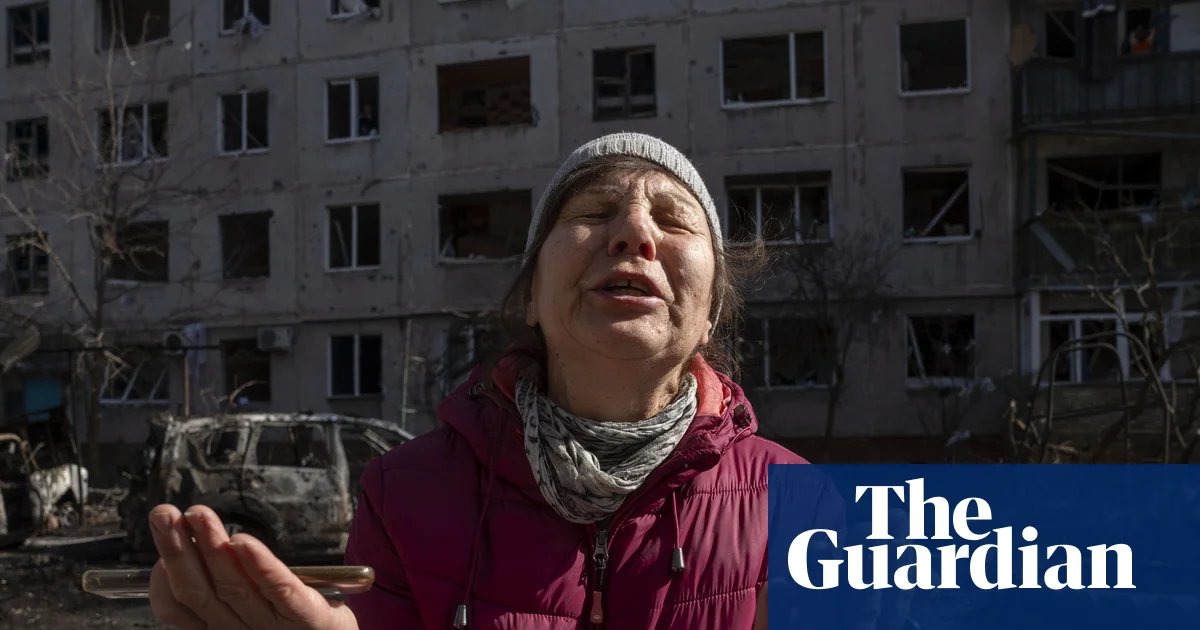
As tensions rise in Ukraine, significant developments are unfolding. The government has initiated the mandatory evacuation of children from Sloviansk, signaling a serious worsening of the security environment in this key area of the Donbas. Reports indicate that Russian forces are advancing towards the city, now just 20 kilometers away at various points along the frontline. Sloviansk, part of the urban “fortress belt” still under Ukrainian control in the Donetsk region, remains crucial as both Russia and Ukraine navigate this ongoing conflict.
The Escalation of Drone Attacks
In a notable escalation, Ukraine launched over 280 drones targeting various Russian positions, marking one of its largest drone offensives since the war’s inception. According to Russian state media, Moscow’s defense ministry reported successfully intercepting 283 of these drones. In responses, Moscow Mayor Sergei Sobyanin confirmed that 27 drones heading toward the capital had been neutralized. Meanwhile, reports of injuries emerged from drone incidents in the southwestern Saratov region, further highlighting the escalating conflict.
Ukraine’s EU Loan Hurdles
Despite challenges, Ukraine is anticipating a significant tranche of a €90 billion ($103 billion) loan from the European Union next month. President Volodymyr Zelenskyy expressed optimism about resolving the veto from Hungary, which has hindered the disbursement of these vital funds. Zelenskyy has engaged with EU leaders, emphasizing the urgency of finding a solution to ensure Ukraine can sustain its defense against Russian aggression.
Hungary’s Stance and Potential Actions
However, Hungarian Prime Minister Viktor Orbán has suggested further actions against Ukraine if his government’s demands regarding Russian oil deliveries are not met. He remarked on the various “cards” Hungary holds in this geopolitical scenario, including potential disruptions to Ukraine’s electrical supply that passes through Hungarian territories. This situation has exacerbated the already strained relations between Hungary and Ukraine.
Negotiating the Trilateral Talks
Zelenskyy has revealed that Ukrainian negotiators are seeking clarity from U.S. officials regarding the timing of upcoming trilateral talks with Russia, which have been postponed due to the ongoing conflict in the Middle East. He stressed the importance of having approximate dates for these discussions, particularly given the escalating situation in the region. Furthermore, Ukrainian officials are expected to address recent controversial U.S. decisions that could ease certain sanctions on the Russian energy sector during talks in the U.S. this Saturday.
U.S. Air Defense Movements
In related news, a considerable number of U.S. Patriot air defense missiles have been relocated from Europe to the Middle East. This shift is raising concerns about gaps in Europe’s air defenses against Russian threats. Reports confirm that two Patriot systems were dispatched from Germany to Turkey following ballistic missile launches from Iran, as the conflict has led to dwindling stocks of these critical defense systems in Europe, which defense officials deem “pretty concerning.”
Allegations of Coercive Interrogation
In a troubling incident, Hungarian security operatives are accused of administering a “forced injection” to a detained Ukrainian during a recent raid. This injection reportedly contained a relaxant intended to make the subject more compliant during questioning, as detailed by various sources.
Russian Attacks on Ukrainian Infrastructure
Overnight, Russian forces targeted oil and gas facilities in the Poltava and Sumy regions, leading to operational suspensions at various sites, according to Naftogaz, Ukraine’s state oil and gas company. The extent of the damage remains under assessment as the conflict continues to take a toll on critical infrastructure.
Military Deployments in the Middle East
In a turn toward international involvement, Ukraine has dispatched military units to safeguard crucial and civilian infrastructure across several Middle Eastern countries, including the United Arab Emirates, Saudi Arabia, Qatar, Kuwait, and Jordan. This move, confirmed by Rustem Umerov, Ukraine’s security council secretary, reflects the growing complexities and global ramifications of the ongoing conflict.
Conclusion
As Ukraine faces dire challenges, from mandatory evacuations to international negotiations and military movements, the situation remains fluid and critical. The coming weeks will be pivotal for the country’s defense and diplomatic efforts as it strives to navigate these turbulent waters.
Key Takeaways
- Compulsory evacuations in Sloviansk signal deteriorating security in eastern Ukraine.
- Ukraine launched a significant drone offensive, with a large number intercepted by Russia.
- Ongoing EU negotiations face setbacks due to Hungary’s veto, raising concerns for Ukraine’s funding.
- U.S. defense resources are being redirected to the Middle East, which may weaken European air defenses.