

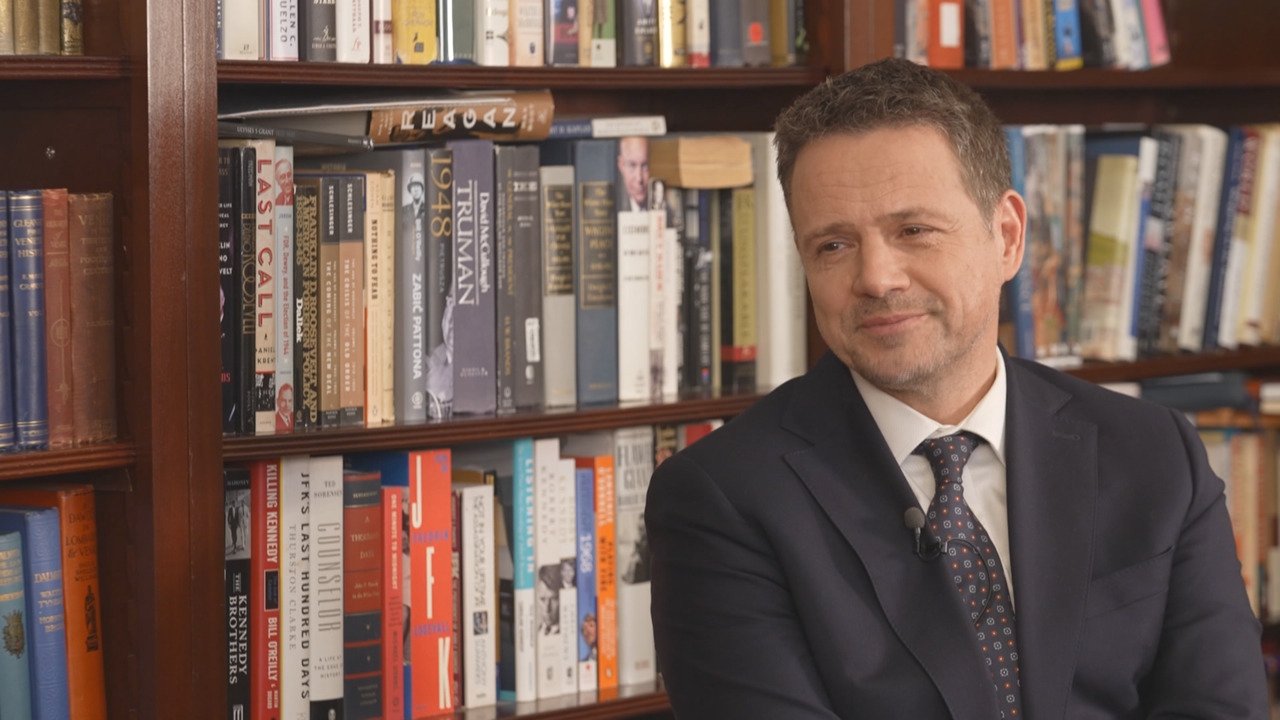
Warsaw’s Political Landscape: A Conversation with Mayor Rafal Trzaskowski
As the political climate heats up in Poland with next year’s crucial parliamentary elections on the horizon, we travel to Warsaw to engage with Mayor Rafal Trzaskowski. A former presidential candidate and a key ally of Prime Minister Donald Tusk, Trzaskowski reflects on the shifting tides of Polish politics, particularly regarding the country’s stance on European matters and its support for Ukraine.
The Current Political Climate
Trzaskowski believes that a long-standing consensus among Polish political parties—being pro-European and supportive of Ukraine—is deteriorating. This change is largely fueled by populist groups striving to capture the electorate’s attention. As he highlights, “it seems that the president is much more interested in making the life of the current government more difficult…than in promoting the Polish national interest.”
Criticism of Polish Leadership
Diving deeper into the political discourse, Trzaskowski criticizes the conservative President Karol Nawrocki for his opposition to the EU Commission’s SAFE initiative designed to enhance European defense capabilities. He insists that SAFE represents the best approach to bolster Poland’s defense industry, and he finds Nawrocki’s veto “incredible.” “For years we had an agreement with all political forces on matters of strengthening Polish defense and security, particularly in aiding Ukraine,” Trzaskowski states, lamenting the breakdown of this unity under the current administration.
The Populist Shift
Trzaskowski attributes the rise of anti-European sentiments to this competition among populist factions on the right. While he acknowledges that urban areas like Warsaw maintain strong support for Ukraine, he warns that some regions are becoming susceptible to anti-Ukrainian rhetoric fueled by populist leaders. “There are people who are either weary of the war or who fall prey to the populists’ anti-Ukrainian sentiments,” he explains.
Free Medical Services and Ukrainian Refugees
When challenged about his government’s reduction of certain free medical services for Ukrainians, Trzaskowski defends Poland’s record of support. “We were the country which helped the Ukrainians the most. We had 400,000 refugees staying in Warsaw alone, nearly receiving citizen-like treatment in education and healthcare,” he asserts, attributing recent limitations to broader EU decisions rather than domestic policy shifts.
The Impacts of Changing US Leadership
Recent polls reveal a waning favorability for Donald Trump among Polish citizens compared to past US presidents. Trzaskowski contemplates this development in relation to European defense strategies, particularly those proposed by French President Emmanuel Macron, including the possibility of extending France’s nuclear umbrella to EU members. “NATO is the cornerstone of our security,” he emphasizes. “We should maintain excellent relations with the Americans, but we must also invest in our own defense and in European defense capabilities.”
Conclusion
As Warsaw navigates its complex political landscape, the conversation around European unity and defense continues to evolve. Trzaskowski’s insights shed light on the challenges facing Polish politics as it balances national interests with broader European commitments.
Key Takeaways
- Mayor Rafal Trzaskowski expresses concern over the erosion of pro-European consensus in Polish politics.
- Criticism of President Nawrocki highlights tensions regarding defense initiatives and support for Ukraine.
- Support for Ukrainian refugees remains strong, despite challenges posed by EU policy changes.
- Poland must navigate its security strategy amidst shifting perceptions of US leadership and increasing populism.