

Ukraine’s Defense Strategy: A Response to Iranian Drone Threats
In a recent address, Ukrainian President Volodymyr Zelenskyy highlighted the growing collaboration between Russia and Iran, calling them “brothers in hatred” due to their shared hostility towards Ukraine. This relationship, he argued, is evident in the Iranian drones used in combat against Ukrainian forces, which he claims contain Russian components. To bolster defenses against these attacks, he announced that over 200 Ukrainian military experts are actively assisting governments in the Gulf region and the Middle East.
Ukrainian Military Experts Deployed
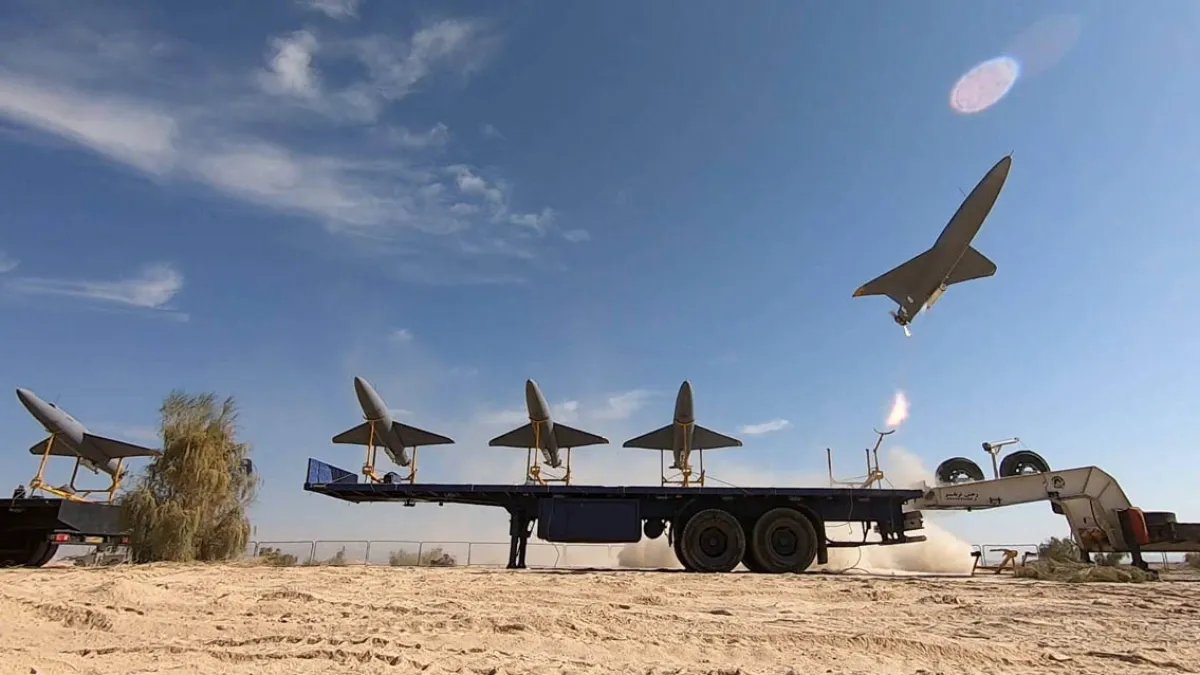
President Zelenskyy revealed that 201 specialized anti-drone experts are currently deployed in the region, with an additional 34 ready for quick deployment. “These are military experts skilled in defending against Shahed drones,” he explained, referencing the Iranian-designed “kamikaze” drones that have been actively used by Russia in its ongoing war against Ukraine since 2022.
Regions of Deployment
The Ukrainian leader noted, “Our teams are already in the Emirates, Qatar, Saudi Arabia, and are on their way to Kuwait.” He emphasized the importance of working alongside several other nations, stating that existing agreements are in place to combat the Iranian regime’s aerial threats effectively. “We do not want this terror from Iran to succeed against its neighbors,” he affirmed.
Military Collaboration and Evidence
During his meeting with UK Prime Minister Keir Starmer and NATO chief Mark Rutte, Zelenskyy stated that Russia has learned from Iran in deploying and producing Shahed-136 drones. “We now have clear evidence that the Iranian Shaheds used in the region contain Russian components,” he remarked, describing their purpose as a method of “low-cost destruction of expensive critical infrastructure.”
Shared Threats and Drone Warfare Advancements
Zelenskyy argued that the developments involving Iran are directly tied to Ukraine’s situation. “The regimes in Russia and Iran are brothers in hatred, and that is why they are unified in weaponry,” he noted. He expressed his desire for regimes founded on such hatred to fail in their endeavors.
He also elaborated on Ukraine’s advancements in drone warfare, claiming that 90% of Russian losses on the battlefield are attributed to Ukrainian drone capabilities. Ukraine has shifted from merely producing sea and aerial drones to developing interceptors designed to neutralize incoming threats, claiming the capacity to manufacture at least 2,000 interceptors daily – with half reserved for domestic defense and the rest available for allies’ support.
Global Implications and Defense Partnerships
If a Shahed drone needs to be intercepted, Zelenskyy asserted, “We can do it. Whether in the Emirates or in Europe, it is a matter of technology, investment, and cooperation.” As Ukraine solidifies its status as a leading producer of advanced drone interceptors, former US President Donald Trump remarked that he does not require assistance from Ukraine to counter Iran’s military threats in the Middle East.
During Zelenskyy’s visit to the UK, a defense partnership agreement was signed, aimed at leveraging Ukrainian expertise alongside the UK’s industrial capabilities to manufacture drones and enhance innovative military technologies.
Conclusion
This evolving cooperation among nations against the backdrop of an Iranian drone threat underscores the importance of strategic alliances. The proactive measures taken by Ukraine not only demonstrate its commitment to thwarting aggression but also highlight the broader implications for international security.
- Zelenskyy emphasizes the collaboration between Russia and Iran as a direct threat to Ukraine.
- Over 200 Ukrainian military experts are aiding nations in the Gulf and Middle East.
- Ukraine has advanced its drone technology, producing significant numbers of interceptors daily.
- A new defense partnership has been established between Ukraine and the UK to develop military capabilities.