

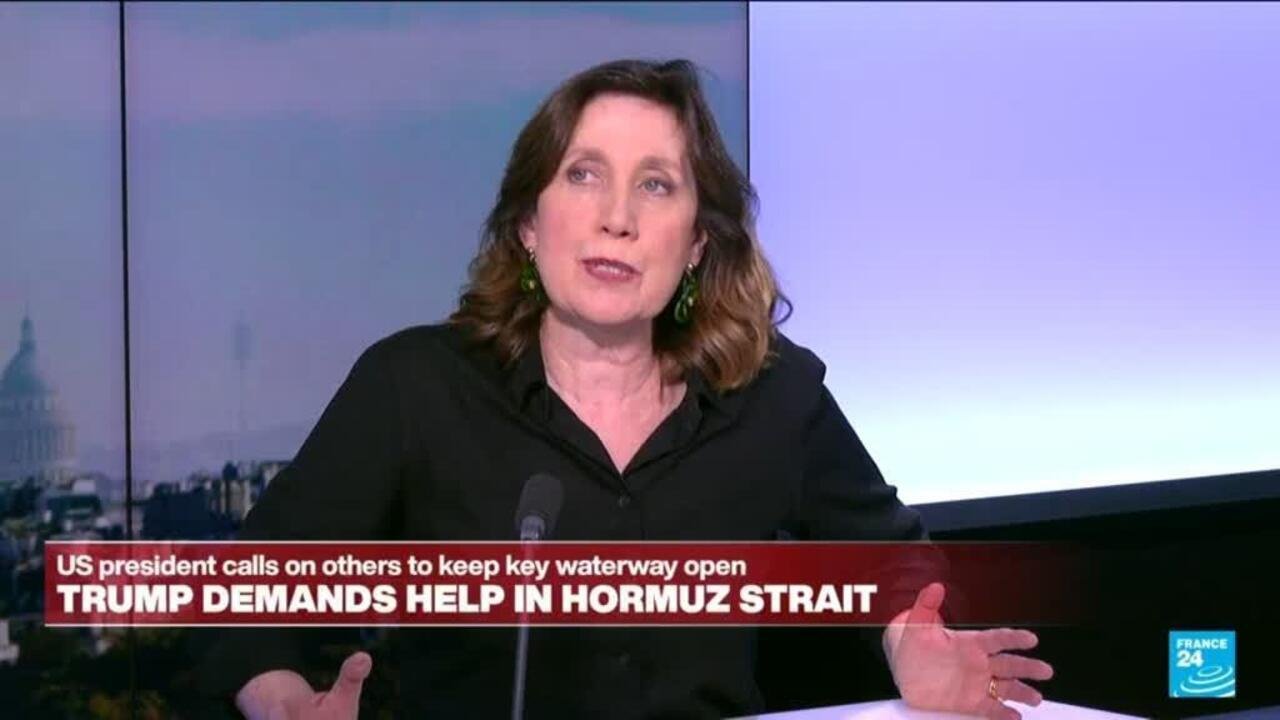
President Trump Calls for International Naval Support in the Strait of Hormuz
In light of escalating tensions in the Middle East, President Trump has urged several nations to deploy warships to ensure the Strait of Hormuz remains accessible. This call to action comes as Iran continues its aggressive military actions against Gulf countries. Trump has cautioned that failure to assist could result in significant consequences for NATO members.
The Situation in the Middle East
The ongoing conflict in the Middle East, while not officially linked to NATO, significantly affects the alliance’s dynamics, especially considering the U.S. stance on issues like Ukraine. Trump’s approach underscores the interconnected nature of global security challenges.
The Call for Allies
Highlighting the urgency of the situation, Trump has reached out to around seven countries asking for naval support. He believes that a collaborative effort is essential to not only stabilize the region but also safeguard allied interests against Iranian aggression.
Implications for NATO
The president’s warnings signal to NATO allies that their participation in international security matters is critical. He emphasizes that any reluctance to contribute could lead to a ‘very bad’ future for the alliance, stressing the importance of unity in addressing global threats.
Conclusion
The request for warships reflects a broader strategy to strengthen international cooperation in maintaining peace and stability in critical waterways. With geopolitical tensions continuing to rise, the importance of collective security initiatives remains paramount.
Key Takeaways
- President Trump has asked multiple nations to send warships to the Strait of Hormuz.
- Iran’s military actions are significantly impacting Gulf security.
- NATO’s future could be jeopardized if allies do not support this initiative.
- The conflict in the Middle East is interconnected with global issues like the U.S. position on Ukraine.