

Week in Review: Insights from France, Cuba, and Beyond
This week, we take a closer look at significant developments in various countries, starting with France’s recent municipal elections, followed by protests in Cuba due to economic struggles, a personal story of resilience highlighted by The New York Times, and research into shifting perspectives on motherhood in the UK.
France’s Municipal Elections: A Mixed Bag
French newspapers are buzzing with reactions following the first round of municipal elections. Les Echos reports a notable decline in voter participation, which plummeted to just 56%. Despite being a favored electoral event among the French populace, this drop is concerning. The publication warns of the “rise of extremes,” an alarming trend as the nation gears up for the presidential elections in 2027.
No Clear Direction
La Croix mentions that there is no decisive trend on a national scale, describing the first round as “scattered.” The editorial speculates that the upcoming second round will be intense, setting the stage for fierce competition.
A Fragmented Political Landscape
On the right, Le Figaro headlines the election results as a significant “shake-up,” emphasizing the robust position of the far-right National Rally and the impressive gains made by the far-left France Unbowed. Both publications agree that the political landscape appears increasingly fragmented.
This sentiment is mirrored in the left-leaning Libération, which argues that under President Emmanuel Macron’s administration, the democratic crisis has deepened after two terms in power.
Protests Erupt in Cuba
Turning to Cuba, citizens are taking a stand against rapidly declining living conditions. Reports from The Wall Street Journal depict citizens blaming the authoritarian government for their dire circumstances. In a recent protest in Moron, demonstrators looted the Communist Party’s headquarters and set fire to furniture in a display of frustration.
International Talks and Economic Woes
Meanwhile, El País confirms that Havana is engaged in dialogue with the United States as the nation grapples with an economy on the brink of collapse, severely impacted by an oil blockade initiated by the previous US administration. Additionally, Diario de Cuba features comments from a pro-Kremlin writer suggesting that Russia might be on the verge of losing one of its key partners in Cuba, citing substantial historical investments since the Soviet era.
A Personal Story of Resilience
In other news, The New York Times shares the poignant account of Emine Yilmaz, who is navigating the challenges of recovery after being pushed into a subway car in a violent incident that left her with significant disabilities. Her story serves as a reminder of the ongoing struggles faced by victims of violence and the strength required to rebuild one’s life.
Examining Childbirth Trends in the UK
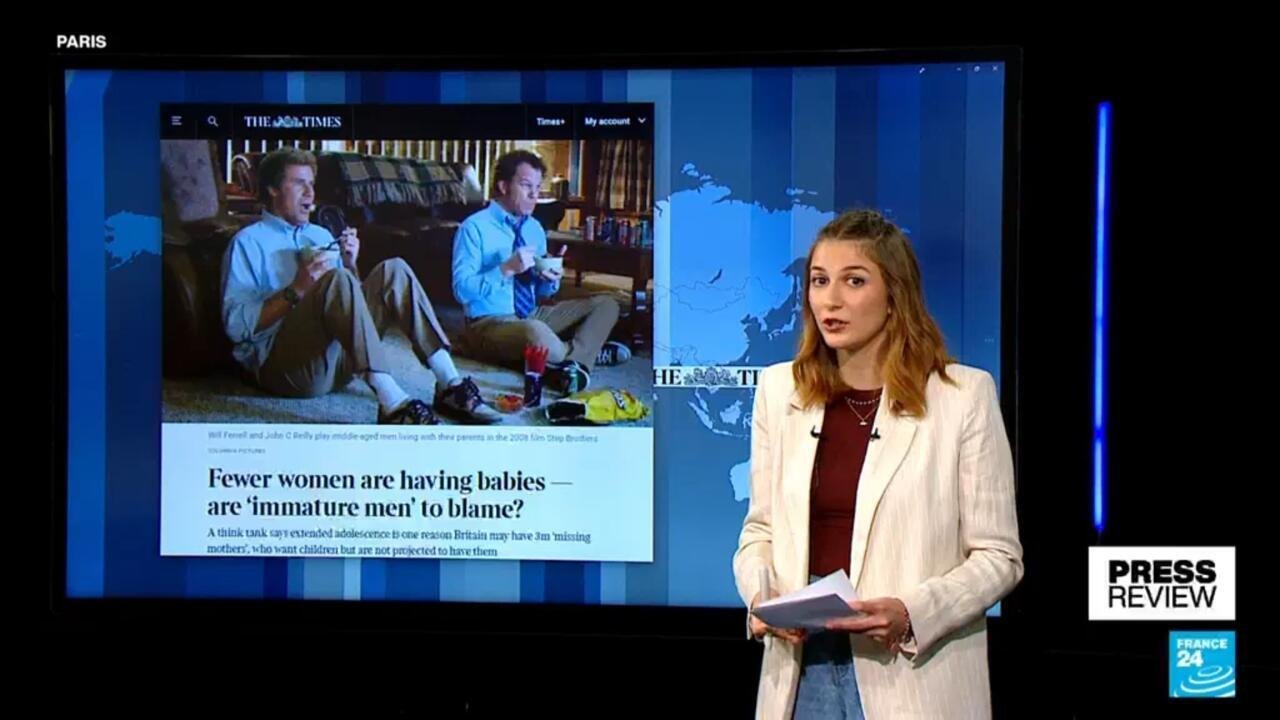
Lastly, researchers in Britain are investigating the reasons behind a decline in women’s desire to have children. According to The Times, approximately 3 million women in the UK may miss the opportunity to become mothers, with researchers suggesting that “immature men” could be a contributing factor to this trend.
Stay Updated
For a comprehensive roundup of daily news, catch our press review every morning on France 24 at 7:20 AM and 9:20 AM Paris time, from Monday through Friday.
Conclusion
This week highlighted significant social and political dynamics across various regions, from the electoral shifts in France to the struggles of everyday Cubans and evolving perspectives on motherhood in the UK. Each story reflects broader trends shaking our world today.
Key Takeaways
- The first round of France’s municipal elections saw a troubling drop in voter turnout.
- Cubans are protesting against their government, citing worsening living conditions amid economic turmoil.
- Emine Yilmaz’s story exemplifies the struggles faced by violence victims and their paths to recovery.
- Research suggests that attitudes toward parenthood among women in the UK are changing, potentially linked to men’s maturity levels.