

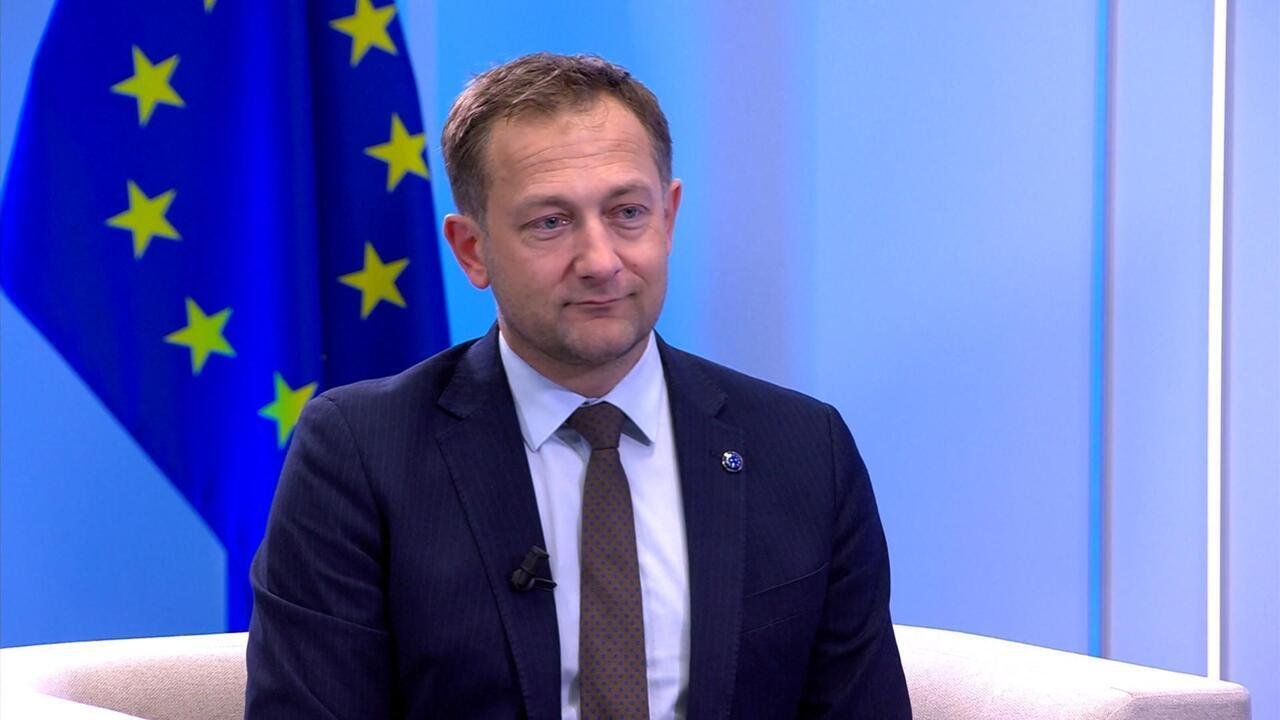
Challenges Facing EU Farmers: An Insight with Commissioner Christophe Hansen
Farmers in the European Union are feeling the strain of various challenges in their industry, including declining profitability, stiff competition from international markets, and a burdensome regulatory environment. The trend of fewer young individuals taking over family farms highlights a shift towards other career paths. The ongoing war in Iran is intensifying these issues, particularly with surging fertilizer costs. We had the opportunity to discuss these pressing matters with Christophe Hansen, the EU’s Commissioner for Agriculture and Food.
The Impact of Global Conflicts on the Agricultural Sector
“The situation in the Middle East is profoundly affecting our economy,” Hansen explains. “We rely on trade routes through these regions, especially for imports like oil and liquefied natural gas (LNG). Additionally, many fertilizers are transported via affected areas, with several production facilities currently halted. This disruption poses significant challenges for our agricultural sector and will likely strain the overall economy.”
Hansen emphasizes the EU’s vulnerabilities in its supply chains, saying, “Our heavy dependence on third-country imports for fertilizers and energy is a significant concern. Since 2020, fertilizer prices have skyrocketed by 60%. This has put cereal producers in a precarious situation. It’s clear that this isn’t a sustainable path forward; we must explore viable solutions. While we have the agricultural reserve, it isn’t nearly enough. We need to identify additional options to support farmers during these tough times.”
Trade Agreements and Political Risks
We questioned Hansen about the political implications of the EU’s provisional application of the controversial EU-Mercosur trade agreement, which faces opposition from farmers, trade unions, and some Members of the European Parliament. “This isn’t the first instance of a trade agreement being provisionally applied,” he responds. “There are historical precedents. The Council has provided a clear mandate for this provisional application, while the Parliament opted against an immediate vote on consent—it’s within their rights to do so.”
Hansen insists that many sectors are eagerly anticipating the agreement, stating, “The wine and spirits, dairy, olive oil, and ham sectors in Italy and Spain, among others, are looking forward to it. This is the reality of our economic landscape.”
Simplifying Regulations Without Compromising Standards
Despite widespread concerns raised by organizations like the European Environmental Bureau and the Pesticides Action Network Europe, Hansen asserts that the Commission’s agenda for simplification does not equate to reducing environmental standards in agriculture. “Currently, the approval process for new products is excessively lengthy, blocking the entry of innovative biopesticides that are considered low-risk. These approvals can take anywhere from 7 to 10 years, which is far too slow. Manufacturers of these alternatives are saying they may relocate to the United States due to our sluggish procedures. We’ve funded the research, yet they’re leaving because we’re not competitive. We need to change this, or we will lag behind globally.”
Conclusion
The agricultural landscape in the EU is fraught with challenges, from external geopolitical conflicts affecting supply chains to the complexities of regulatory frameworks. Insights from Commissioner Christophe Hansen underline the urgency of addressing these issues to support the farming community effectively. By fostering innovation and navigating international trade dynamics, the EU can work towards a more sustainable agricultural future.
Key Takeaways:
- EU farmers are struggling with profitability and rising costs due to geopolitical conflicts.
- The provisional application of the EU-Mercosur trade agreement is supported by various sectors despite opposition.
- Regulatory simplification must not come at the expense of environmental standards in agriculture.
- The approval process for new agricultural products needs major reforms to enhance competitiveness.