

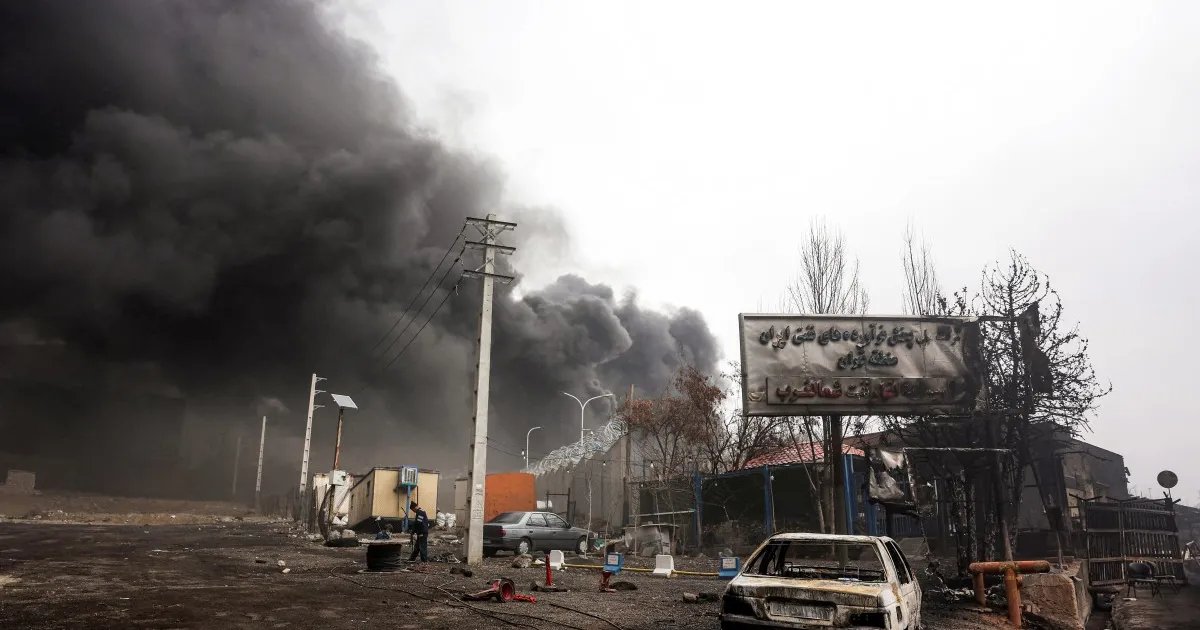
Surging Crude Oil Prices Amid Regional Conflict
In the wake of an escalating war involving the United States and Israel targeting Iran, crude oil prices have experienced a significant increase, with rates soaring past $100 a barrel. This article delves into the implications of this conflict on global energy supplies and the broader economic landscape.
Recent Surge in Oil Prices
On Sunday, Brent crude, the global oil benchmark, surged by as much as 20%, reaching over $111 a barrel. This spike marks the first instance of oil exceeding $100 per barrel since Russia’s invasion of Ukraine in 2022. The marked increase in prices signals fears of extended disruptions in energy supplies worldwide.
Political Reactions
U.S. President Donald Trump, running on a platform that includes tackling cost-of-living issues, downplayed the rising oil prices. He stated in a social media post, “Short-term oil prices, which will drop rapidly when the destruction of the Iran nuclear threat is over, is a very small price to pay for U.S.A., and World, Safety and Peace. ONLY FOOLS WOULD THINK DIFFERENTLY!”
Energy Sector Impacts
U.S. Energy Secretary Chris Wright also tried to ease concerns, telling CBS News that any rises in pump prices would be temporary. However, since the commencement of the U.S. and Israeli strikes on Iran on February 28, crude oil prices have gone up by nearly 50%. Iran has retaliated by obstructing shipping through the Strait of Hormuz, a critical route for global oil transportation, jeopardizing approximately one-fifth of the world’s oil supply.
Response from OPEC Producers
Major oil-producing nations in OPEC, including Iraq, the United Arab Emirates, and Kuwait, have begun reducing production due to the bottleneck at the Strait. These producers are struggling as stockpiles increase with no viable outlet for their oil.
Conflicts in the Region
Attacks on energy facilities have compounded the issues, with Iran being implicated in various aggressive actions affecting assets across the Gulf, including countries like Qatar and Saudi Arabia. Notably, Israel conducted air strikes targeting Iran’s oil infrastructure, marking a significant escalation in military actions.
Market Reactions
As a response to rising energy prices, Asian markets reacted sharply Monday morning. Japan’s Nikkei 225 index dropped over 7%, while South Korea’s KOSPI fell by more than 8%. Futures for U.S. stocks also showed substantial declines, with the S&P 500 down by 1.7% and the tech-heavy Nasdaq Composite down by 1.90%.
Economic Concerns
Despite assertions from the Trump administration that the conflict will be resolved swiftly, concerns linger about the long-term disruptions to global energy supplies. These fluctuations are anticipated to lead to higher inflation rates and dampened economic growth. The International Monetary Fund (IMF) has projected that a sustained 10% increase in oil prices could result in a 0.4% lift in inflation and a 0.15% decrease in global economic growth.
Warnings from Regional Leaders
Qatar’s energy minister, Saad al-Kaabi, expressed grave concerns, suggesting that all regional producers might be compelled to suspend production. He cautioned that prices could escalate to $150 a barrel if the current tensions persist, adding, “Everybody that has not called for force majeure we expect will do so in the next few days if this continues.”
Conclusion
The ongoing conflict and its ramifications are causing widespread apprehensions about oil supply stability and economic prospects. As the situation develops, the impact on oil prices and the global economy will continue to be closely monitored.
Key Takeaways
- Crude oil prices have surged over 20% amid escalating conflicts involving the U.S. and Israel.
- The Strait of Hormuz is facing significant shipping disruptions, affecting global oil supply.
- Asian markets are reacting negatively to rising energy prices, indicating economic concerns.
- Regional leaders warn that current tensions could lead to even higher oil prices if production halts continue.