

US-Iran Conflict: An Analysis of Recent Developments
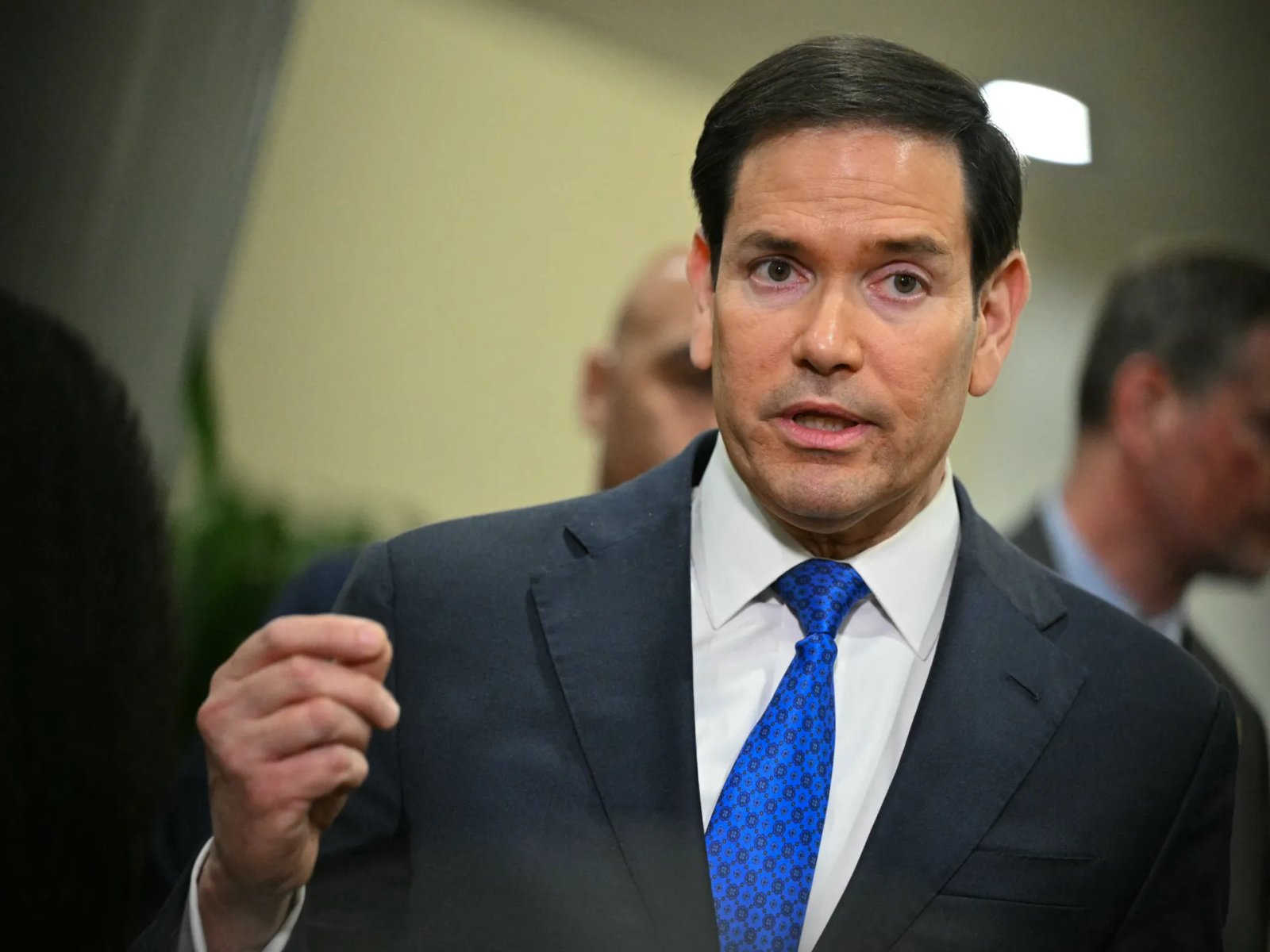
Amid rising tensions, Secretary of State Marco Rubio presented a controversial justification for military action against Iran, linking it to Israel’s plans for a strike. This decision raises pivotal questions about U.S. involvement in foreign conflicts and the motivations behind them.
Context of the Conflict
On Monday, Rubio articulated a narrative that positioned Israel’s potential strike on Iran as a triggering factor for U.S. military preemptive action. Despite attempts by the Trump administration to clarify their stance in light of growing criticism, reactions across the political spectrum have been largely negative.
Financial Ties to Israel
The U.S. has provided substantial military support to Israel, totaling more than $300 billion since 1948. This substantial backing has fostered a perception that Washington holds significant influence over Israeli actions, especially in the context of the recent escalation in violence, which notably occurred during Israel’s operations in Gaza.
Shifting Narratives
When pressed about Rubio’s comments, President Trump appeared to redefine the circumstances, suggesting that the decision was based on a perception of imminent threat to Israel and beyond. He stated, “They [Iran] were getting ready to attack Israel. They were gonna attack others.”
Legal Implications
Following the initial airstrikes, experts have raised concerns regarding the legality of the actions, arguing that the evidence provided by the administration fails to substantiate claims of an imminent attack on U.S. interests.
Criticism of Administration’s Actions
Rubio has since sought to reframe his remarks, insisting that they were misinterpreted while reiterating concerns about Iran’s missile capabilities. However, he did pose an essential question: “Why now?” He acknowledged the likelihood of an Israeli strike leading to retaliation against U.S. forces.
A Divided Opinion
Critics from both ends of the political spectrum have expressed skepticism about the U.S.’s reliance on Israeli interests. Kelly Grieco from the Stimson Center highlighted concerns that the U.S. may be vulnerable to being manipulated into unwanted conflicts. Similarly, Kenneth Roth questioned the rationale behind America’s military funding of Israel and the potential implications for U.S. foreign policy.
Legislative Response
Amid escalating tensions, lawmakers are preparing to introduce war powers resolutions aimed at curbing presidential military authority. However, they face strong opposition from within the Republican majority, complicating efforts for reform.
Public Reactions
Progressive voices, such as Senator Bernie Sanders, condemned Trump’s actions, asserting that U.S. foreign policy should not be dictated by any foreign government, particularly in the context of Israel’s long-standing opposition to diplomatic relations with Iran. On the other hand, Republicans like Thomas Massie expressed concerns about rising domestic prices as a result of ongoing conflicts.
Repercussions within Trump’s Base
Reactions from influential figures within Trump’s MAGA base signal increasing discontent over the administration’s stance. Prominent voices have pointed out that Rubio’s narrative frames the U.S. as overly dependent on Israeli interests, further intensifying calls for a reevaluation of America’s role in international conflicts.
Conclusion
The current situation surrounding U.S. military action against Iran reveals deep uncertainties about foreign policy direction, legality, and the intricate ties with Israel. As the debate unfolds, it is crucial for U.S. citizens to engage with the implications of these decisions on both domestic and international fronts.
Key Takeaways
- Marco Rubio’s statement raises questions about U.S. military actions and motivations.
- The U.S. has provided over $300 billion in military aid to Israel since 1948.
- Legislative efforts are underway to limit presidential war powers amidst widespread criticism.
- Reactions from Trump’s allies reflect growing unease about U.S. involvement in Israel’s conflicts.