

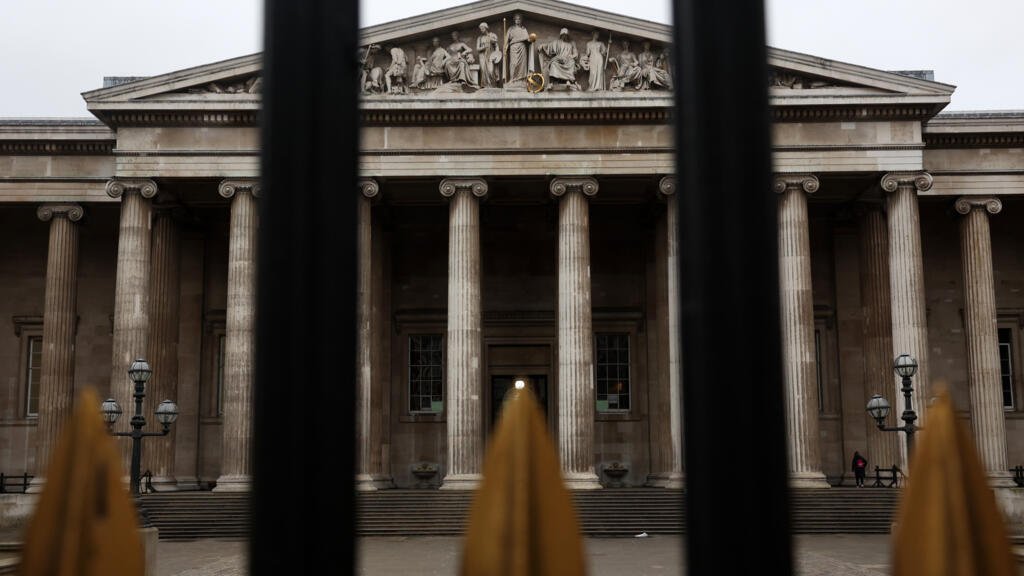
The British Museum and the Removal of “Palestine” from Exhibits
The recent controversy surrounding the British Museum has sparked discussions about historical terminology and representation. Accusations have emerged that the museum eliminated the term “Palestine” from its exhibits due to pressure from a pro-Israeli organization. However, the truth reveals a more nuanced situation, as modifications were made to specific panels related to the Antiquity period. This article delves into the museum’s rationale and the insights gathered from historians regarding these changes.
Understanding the Changes Made
The British Museum has clarified that the adjustments made to certain exhibit panels were aimed at utilizing terminology that is more neutral and historically precise. This move, according to the museum, was driven by a commitment to accuracy rather than external influence. Moreover, the museum noted that these modifications took place last year, prior to any requests from the pro-Israeli group.
Historical Context and Expert Opinions
In conversations with various historians, it becomes evident that the term “Palestine” can evoke different interpretations, depending on the historical context being discussed. Many experts support the museum’s decision, suggesting that using terms that reflect the complex history of the region is vital for fostering understanding and dialogue.
The Implications of Terminology in Exhibits
Terminology in historical exhibits is not merely a matter of preference; it can influence public perception and learning. The British Museum’s approach illustrates the care required when discussing regions with rich and often contentious histories. By striving for accuracy, the museum aims to present a balanced narrative that respects the nuances inherent in historical discourse.
Key Takeaways
- The British Museum modified only specific panels related to Antiquity, not the entire exhibit.
- The changes were made with a focus on historical accuracy before external pressures were brought to bear.
- Experts affirm the importance of using precise terminology to foster historical understanding.
- Terminology used in exhibits can significantly impact public perception and engagement with history.
Conclusion
In summary, the British Museum’s decision to adjust its terminology has sparked important conversations about historical representation and accuracy. While some may view the changes as controversial, the museum’s intention to promote a nuanced understanding of the region’s history remains central to their mission.