

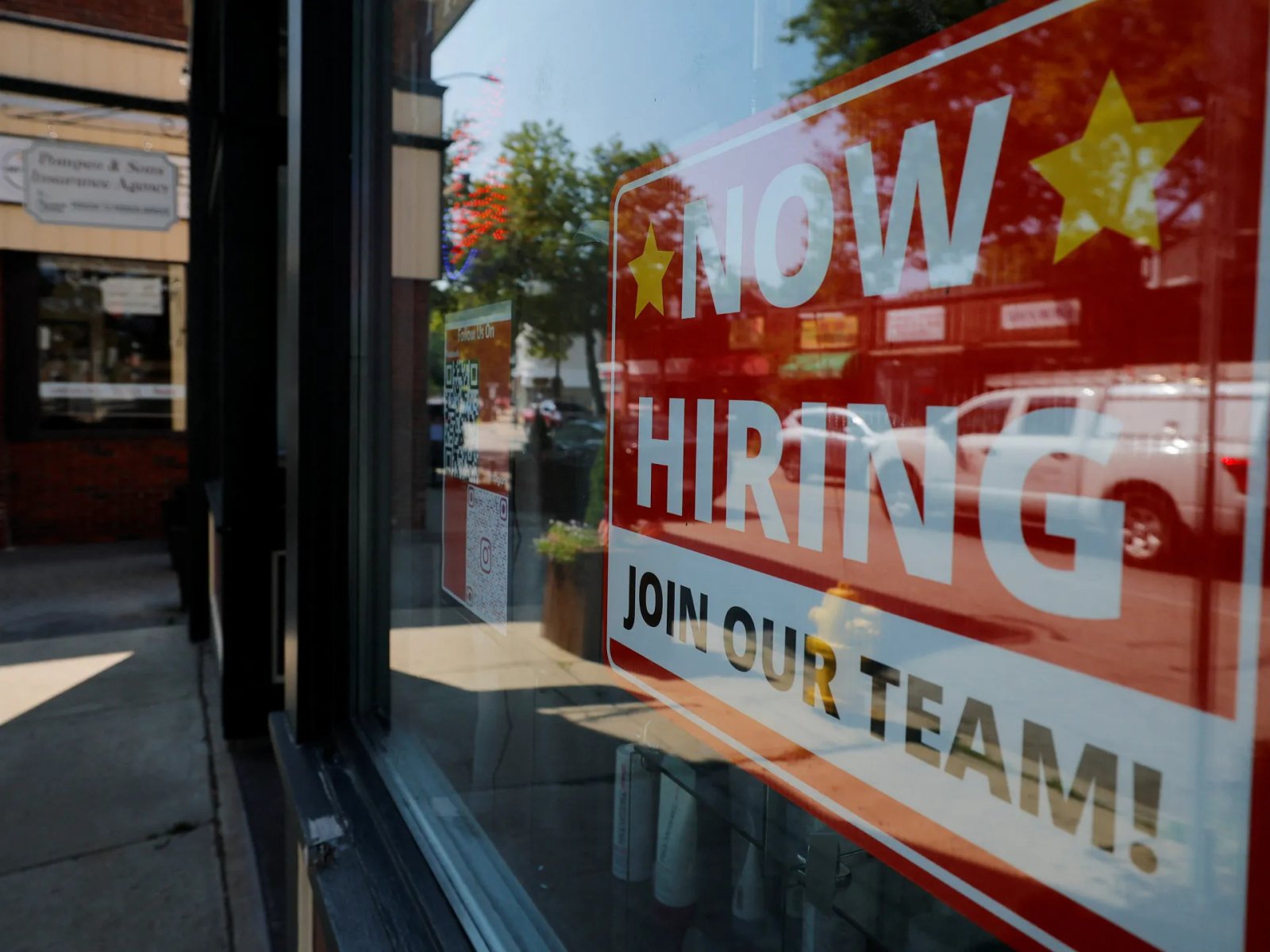
The Struggles of Underemployment in Today’s Job Market
In the wake of economic changes and job market challenges, underemployment has become a pressing concern for many workers across various sectors. This article explores the experiences of individuals grappling with job instability and reduced income, shedding light on the broader implications of an uncertain economic landscape.
The Unexpected Turn in a Career
BC Dodge built a fulfilling career over 14 years, crafting narratives for nonprofits in the Washington, DC area. However, in late 2024, his steady employment came to an abrupt end when he was laid off during a restructuring phase. One moment he was fully employed; the next, he found himself at home, calculating bills and wondering how to make ends meet.
Facing the Financial Reality
Though Dodge is married to a teacher, their combined income fell short of covering their living expenses. Thus, he promptly began applying for new job opportunities. Over a span of three months, he submitted an impressive 350 job applications but only secured six interviews. Just when it seemed like he was gaining traction with a nonprofit in Washington, the political climate shifted.
A Shift in Government Funding
While Dodge was interviewing, significant cuts to federal funding began to ripple through the nonprofit sector. The message from potential employers was concerning; many organizations had to freeze hiring due to lost contracts and dwindling funds. Dodge received a call from HR stating they were halting hiring efforts. He realized many others were facing similar setbacks: “We were relying on federal funds, and now they’re gone,” he reflected.
The Reality of Underemployment
With a sense of urgency, he entered the job market again, but this time he was met with an industry in disarray. He ultimately settled for part-time work in his field, accepting a paycheck that significantly paled in comparison to his previous salary. This phenomenon is known as underemployment, where skilled professionals are forced into positions that do not fully utilize their qualifications or provide sufficient hours.
The Rise of Underemployment
Underemployment has become increasingly common, especially over the last few years, with the Economic Policy Institute reporting that 8% of the U.S. workforce is currently underemployed—a slight increase from the previous year. This trend affects not only those in service industries but has also infiltrated the nonprofit sector, often leaving workers with incomes inadequate to cover basic living costs.
Impact of Economic Pressures
On top of job instability, many Americans are feeling the squeeze of rising expenses. Economic analysis shows that lower-income households are disproportionately impacted by tariffs and increasing healthcare costs. After Congress failed to extend Affordable Care Act subsidies, many faced soaring premiums. Jillian Hishaw, a personal bankruptcy attorney, noted a spike in inquiries as more individuals struggle to keep their homes. “We saw 85 foreclosures filed in a single day last week—unusually high compared to the average two years ago,” she remarked.
The Broader Economic Landscape
These challenges are not isolated, as layoffs continue sweeping across industries. Reports indicate that over 1.1 million workers were laid off in 2025. As job creation falls short, those left in the workforce increasingly accept underpaid or part-time roles, mirroring Dodge’s experience.
Seeking Stability
Michele Evermore, a senior fellow at the National Academy of Social Insurance, observes that economic uncertainty has left many employers hesitant to invest in new hires or increase wages. “The labor market is in a tough spot,” she explained, emphasizing the burden on those already struggling for stability in their jobs.
The Long Search for Opportunities
For Dodge, the search for a new position continues. After applying for 460 jobs over the past year and a half, he is still waiting for more than a few interviews. Like others in his situation, he is juggling multiple part-time jobs, hoping to make ends meet.
A Sense of Alienation
The tightening job market has led to a sense of shared struggle among those facing similar challenges. “I do a lot of doomscrolling,” Dodge admitted, observing others share their own stories of job searching difficulties. “It helps to know I’m not alone in this.”
Conclusion
The shift towards underemployment is a reflection of broader economic forces at play. As individuals like Dodge navigate their thinning options, the realities of job instability and economic pressure shape a challenging landscape for many workers today.
- Underemployment is on the rise, impacting 8% of the workforce.
- Federal funding cuts are affecting nonprofits and job prospects.
- The job market is tightening, with fewer roles available and increased layoffs.
- The cost of living continues to rise, straining the finances of low-to-middle income earners.