

The Evolving Dynamics of US-EU Relations Over Greenland
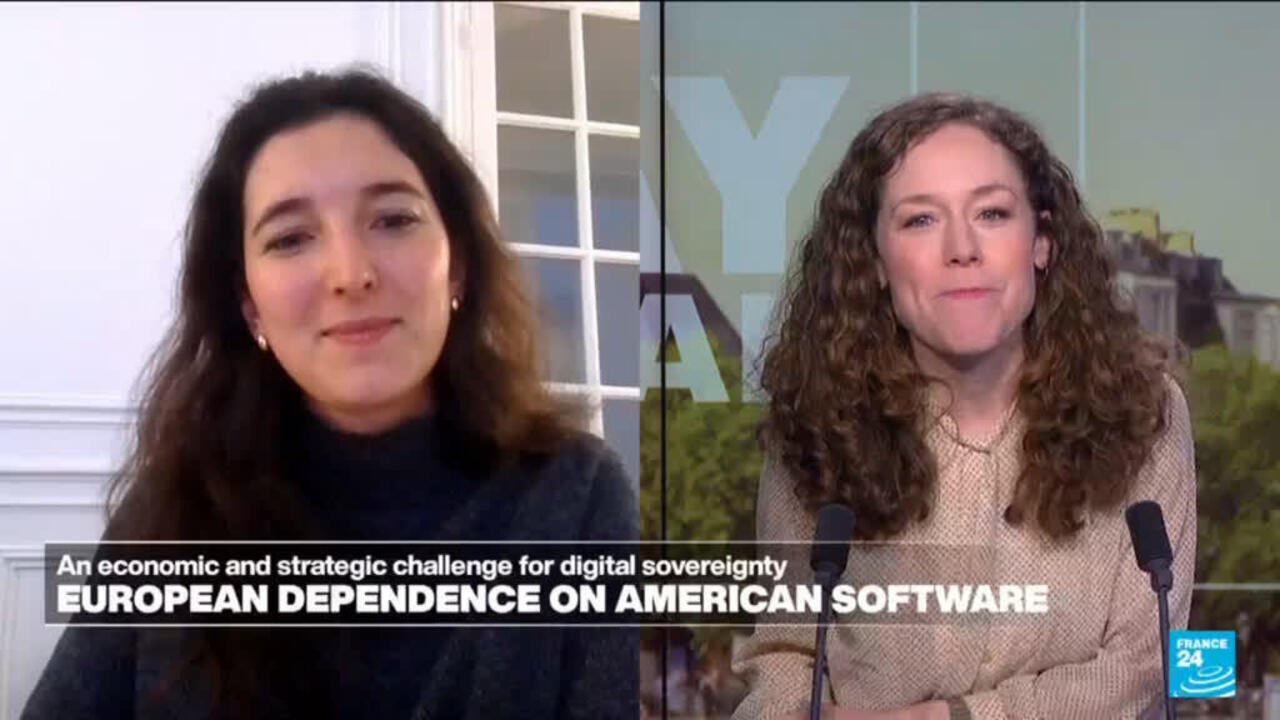
The recent tensions between the United States and the European Union regarding Greenland have sparked worries in Europe about becoming too reliant on the US, especially in the digital landscape. French President Emmanuel Macron has voiced concerns, even threatening to unleash a so-called “trade bazooka” aimed at major American tech firms. However, this stance is rather complicated given the EU’s significant dependence on these companies for essential services like cloud computing, professional software such as Microsoft and Google, social media platforms, entertainment, and payment solutions including Visa. To further explore the intricacies of digital sovereignty, entrepreneur Leila Murk from Meresquier Partners offers valuable insights.
Heightened Concerns Over Digital Sovereignty
The ongoing situation has transformed into a larger discourse on digital sovereignty within Europe. With evolving technologies and increasing geopolitical tensions, European leaders fear losing control over their digital infrastructure and data management. This has prompted calls for the EU to bolster its own technological capabilities and reduce reliance on American firms.
Macron’s Stand Against Tech Giants
President Macron’s rhetoric highlights a growing unease among European leaders about the influence of US tech giants. By referring to a “trade bazooka,” he emphasizes the potential for drastic measures to protect European interests. However, effectively implementing such restrictions poses a significant challenge due to the deeply interwoven nature of the EU’s digital ecosystem and its reliance on American technology.
Dependence on American Technology
The EU’s dependence on US companies extends beyond basic services. Many European businesses and institutions rely on platforms provided by major American firms for operations, communication, and consumer engagement. This dependence raises questions about the balance of power in the digital realm and the importance of developing a robust European digital sector.
Insights from Industry Experts
Leila Murk, a notable entrepreneur at Meresquier Partners, emphasizes the importance of fostering innovation within Europe. She discusses how investment in local tech startups and initiatives can help ensure that Europe maintains greater control over its digital future. By enhancing capabilities in areas like cloud storage and software development, the EU would be better positioned to navigate global tech landscapes.
Conclusion
The standoff between the US and the EU over Greenland underscores broader concerns about technological reliance and sovereignty. As European leaders grapple with their dependency on American tech giants, initiatives aimed at fostering domestic innovation and reducing reliance on external entities are becoming increasingly critical. The insights from experts like Leila Murk highlight the path forward for Europe in maintaining its digital independence.
Key Takeaways
- The US-EU tensions highlight Europe’s concerns about over-dependence on American technology.
- Macron’s “trade bazooka” rhetoric reflects rising unease over tech company influence.
- European leaders are prioritizing digital sovereignty and innovation.
- Investment in local tech ventures is crucial for reducing reliance on US firms.