

Extended Blackout in Berlin Sparks Concern Over Vulnerability
In Berlin, the restoration of power marks the end of a lengthy five-day blackout that gripped the snow-laden capital. This unprecedented outage stemmed from a suspected arson attack, coinciding with plummeting temperatures that dipped below freezing. Many are calling it the longest blackout in the city’s post-war history, and a far-left militant group has acknowledged responsibility. This incident has reignited discussions about Germany’s susceptibility to sabotage, whether from domestic or foreign sources.
The Impact of the Blackout
Schools, hospitals, and care facilities were among the tens of thousands of properties affected by this massive disruption in south-west Berlin. In the Steglitz-Zehlendorf district, residents received updates about the upcoming restoration of power from a police van that utilized a loudspeaker. Many locals frequently approached emergency service personnel, seeking the latest news.
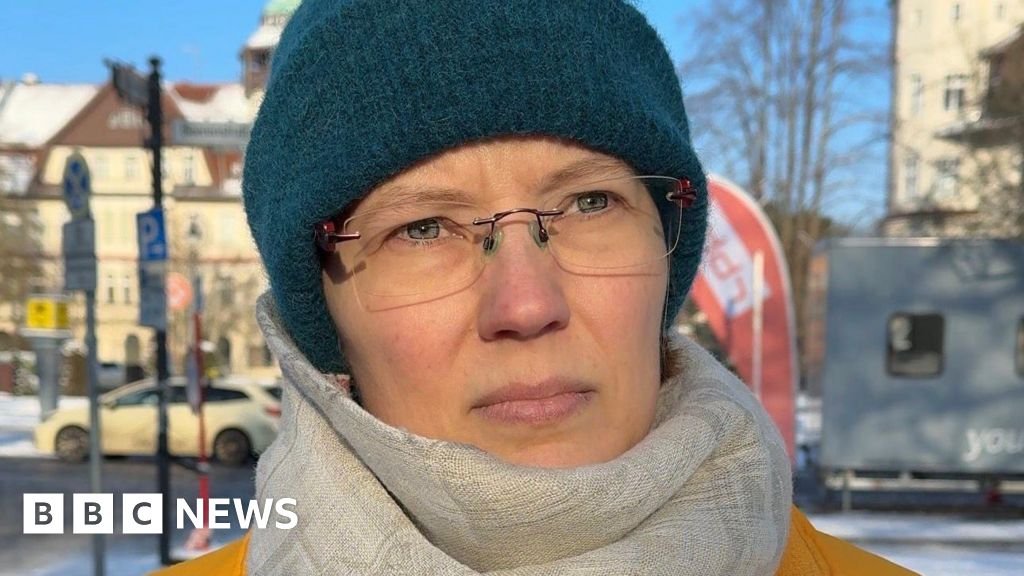
Lena, a resident, expressed feelings of despair as her family relied on a battery-powered radio for information. Throughout the ordeal, they resorted to cooking meals on a camping stove, while taking care to prevent their water pipes from freezing.
Challenges for the Elderly
Nearing his 80s, Reinhold, a retired architect, faced particularly tough conditions without electricity. On Wednesday morning, he headed to his daughter’s house to warm up but returned home at night, donning a woolly hat, sweater, and blanket for warmth. Reflecting on his past, Reinhold recounted his childhood in post-war Germany, saying, “I was born in 1947. When my mother and I came from the hospital, it was -20°C in our shack.” He recounted how his parents would take turns every hour to check on him, ensuring his hands remained covered to avoid frostbite.
The Restoration Process
According to fire service spokesperson Adrian Wentzel, restoring power is a gradual process, with resources mobilized from across Germany to address the crisis affecting an estimated 100,000 people. Hospitals turned to emergency generators, while some schools had no choice but to close their doors temporarily.
The Alleged Perpetrators
The blackout’s cause was traced back to the early hours of Saturday, when several cables on a bridge caught fire near the Lichterfelde gas-fired power plant. The far-left group known as Vulkangruppe, or Volcano Group, claimed responsibility, asserting that their target was the fossil fuel industry. They expressed limited remorse for the inconvenience caused to less affluent residents, particularly in wealthier areas like Steglitz-Zehlendorf.
Later, a conflicting statement circulated online from the group’s founders, distancing themselves from recent acts of violence. The exact motivations and organization of Vulkangruppe remain somewhat unclear, but they have been described by German authorities as left-wing extremists responsible for periodic disruptions since 2011, aiming to undermine the capitalist system.
Legal Ramifications and Future Considerations
Federal prosecutors are treating the latest incident as a terrorism case with potential charges, including involvement in a terrorist organization, sabotage, arson, and disruption of public services. This blackout has exceeded the duration and scale of a similar event that took place in September.
In response to such threats, plans have been in development for a federal law aimed at securing critical infrastructure. This “Kritis” bill aims to establish identification methods for vital infrastructure and to set minimum protection standards.
Conclusion
The recent blackout in Berlin highlights serious concerns about the city’s vulnerability to sabotage and the potential ramifications for daily life. As the community begins to recover, discussions about enhancing infrastructure protections and addressing the underlying issues of domestic extremism will likely intensify.
- The blackout lasted five days and was the longest in Berlin’s post-war history.
- A far-left militant group claimed responsibility for the event as a protest against fossil fuel industries.
- Approximately 100,000 residents were affected, prompting critical facilities to rely on emergency resources.
- Legal authorities are treating the incident as a potential act of terrorism, pursuing multiple charges.