

Impact of Aid Ban on Gaza’s Health Care
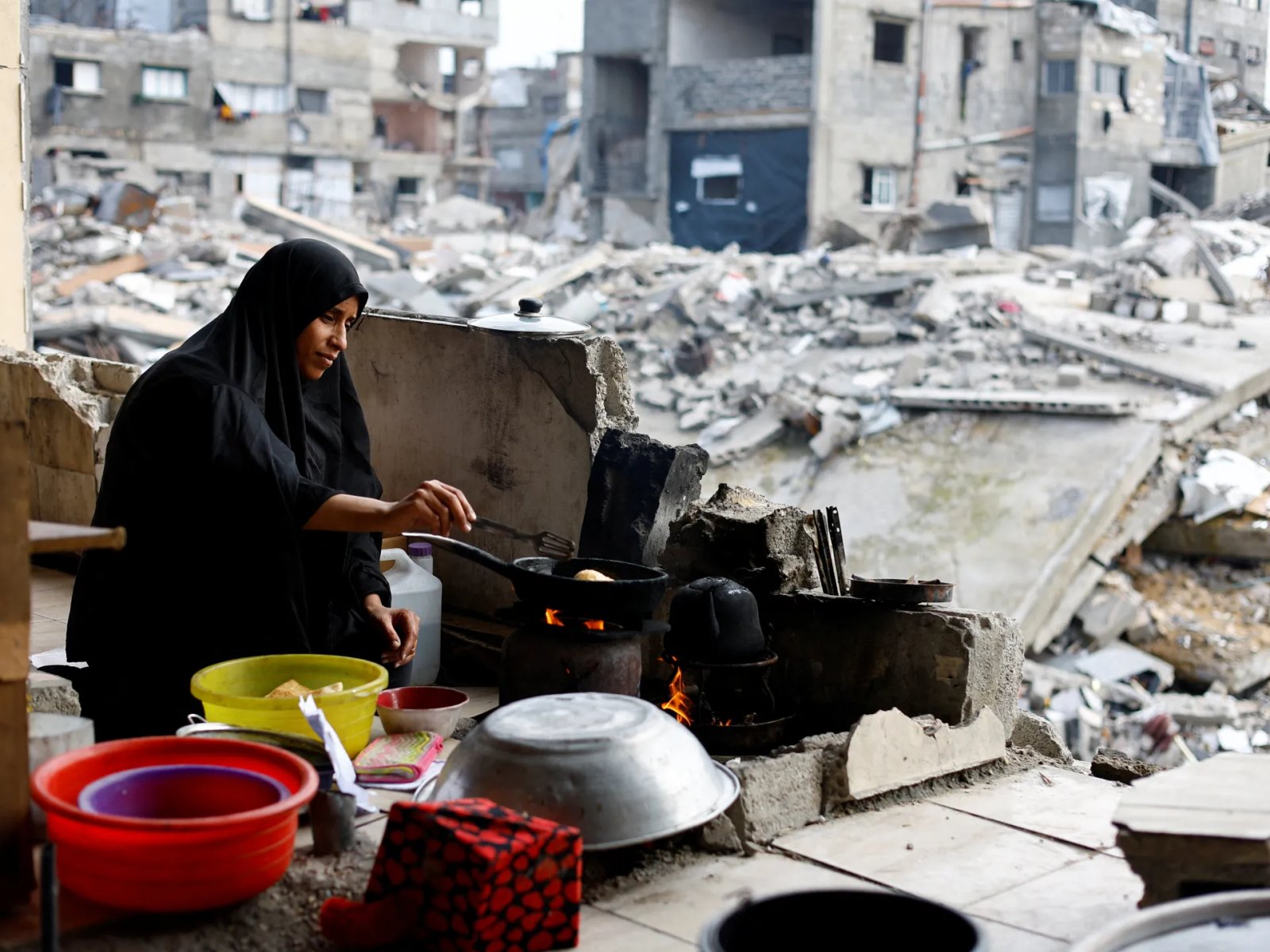
The ban enacted by Israel on numerous international aid organizations working in Gaza is raising serious concerns about the accessibility of essential health care for Palestinians. With the situation in Gaza already dire due to ongoing conflicts, this prohibition could deprive hundreds of thousands of individuals from receiving the medical assistance they desperately need.
Global Outcry Against the Ban
A coalition of 17 human rights and advocacy organizations based in Israel has condemned the ban, stating that it “undermines principled humanitarian action, endangers staff and communities, and compromises effective aid delivery.” They emphasize that Israel, as the occupying power, has a responsibility to provide adequate supplies to Palestinian civilians. Instead, they argue, it is preventing others from filling that gap.
Details of the Restriction
Israel has revoked the operating licenses of 37 aid groups, including notable organizations such as Doctors Without Borders (MSF) and the Norwegian Refugee Council, for not adhering to new government mandates. These mandates require international NGOs to submit extensive details about their staff, funding, and operations.
The Israeli government has defended this action by alleging that international organizations operating in Gaza have connections to groups like Hamas and Palestinian Islamic Jihad, although no supporting evidence has been provided.
Concerns Over Humanitarian Principles
Many experts argue that these registration requirements contradict fundamental humanitarian principles. Rights groups, including B’Tselem and Physicians for Human Rights-Israel, stated that the new framework threatens the independence and neutrality that are essential for effective humanitarian work.
They express concern about the political conditioning of aid, the penalties for supporting legal accountability, and the potential risks linked to the disclosure of sensitive personal information related to Palestinian staff and their families.
A Worsening Humanitarian Crisis
As Israel continues its military operations, humanitarian conditions in Gaza have deteriorated significantly, with Israel implementing severe restrictions on the delivery of basic necessities, including food and medicine. At the same time, violence in the occupied West Bank has surged, leading to the displacement of many Palestinians—a situation that has been characterized as war crimes and crimes against humanity by observers.
Volker Turk, the United Nations human rights chief, recently described Israel’s ban on NGOs as yet another example of unlawful restrictions on humanitarian access in the region.
Consequences for Healthcare Delivery
Doctors Without Borders announced on social media that they are still awaiting the renewal of their registration to operate under the new regulations in Gaza and the West Bank. The organization noted, “The Palestinian health system is decimated, essential infrastructure is destroyed, and people struggle to meet basic needs. People need more services, not less.” They warned that if they lose access, it could effectively cut off essential care for many Palestinians.
Outlook on Humanitarian Efforts
Former UN humanitarian chief Martin Griffiths, who is on the board of the Norwegian Refugee Council, conveyed a pessimistic outlook regarding the consequences of this ban. He observed that these organizations are crucial for delivering aid, particularly in Gaza, emphasizing that they represent the “last mile” in humanitarian operations, responsible for getting assistance directly to those in need.